How to Set Up a Lunchtime Club That Builds Real Friendships
Helping Neurodiverse Children Make Friends
Discussed in this Podcast:
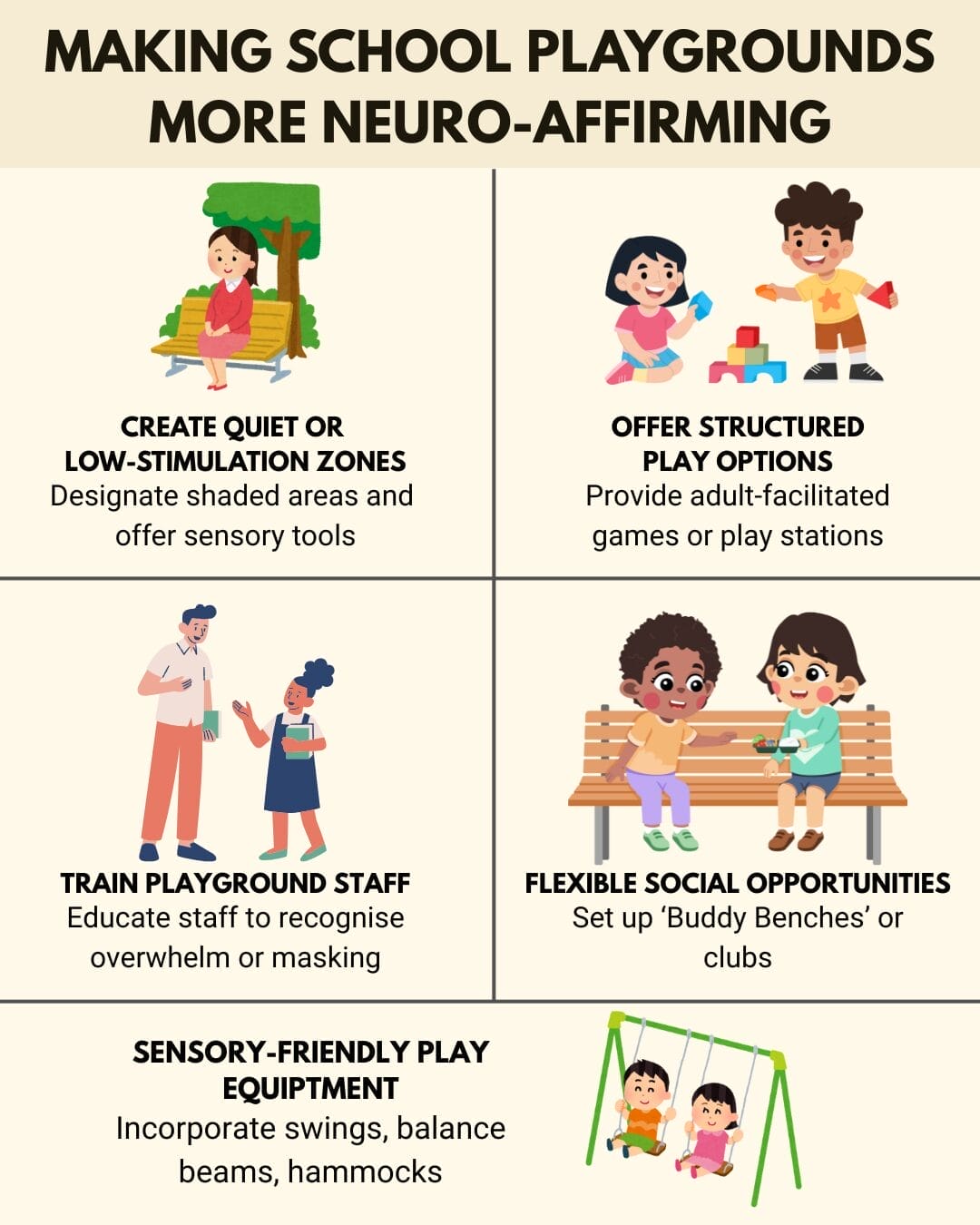
✅ Start by observing a neurodiverse child (or one who returns from break more anxious than they went out) for five minutes, to see what is really happening in the playground.
✅ Build the club around the child’s current interests or skills, using their strengths (origami, Lego, guinea pigs, gardening) as the shared interest that draws others in.
✅ Give the club a positive, inviting name like World of Fun, Lunchtime Club, Rest and Relaxation, or Games Group.
✅ Decide how often it runs (one to five days, recess, lunch, or both), and if it is not on every day, tell the children exactly where to meet so they can find each other.
✅ Set a cap on numbers based on the activity and the sensory load, and decide the age range (including peer support pairings like year six with year three).
✅ Choose how students join (teacher-selected with a ticket, self-selected, bring a friend, open door, or identified on the day), and lean on teacher assistants who often know the children best.
✅ Offer a range of meeting places: the classroom for children who need less sensory input, and the oval, undercover area, or garden for those who need movement and fresh air.
✅ Use a ticket to a supervised activity like art for children who would previously have been sent to the office, so they practise sharing, turn-taking, and emotional regulation instead of missing the playground.
✅ Run whole-class social skills as five ten-minute activities rather than one long lesson, and teach peers how to include and guide a neurodiverse classmate (friendships are 50/50).
✅ Use The Socially Speaking Board Game cards with the whole class, writing a range of answers in a scrapbook so children see more than one solution to a social problem.

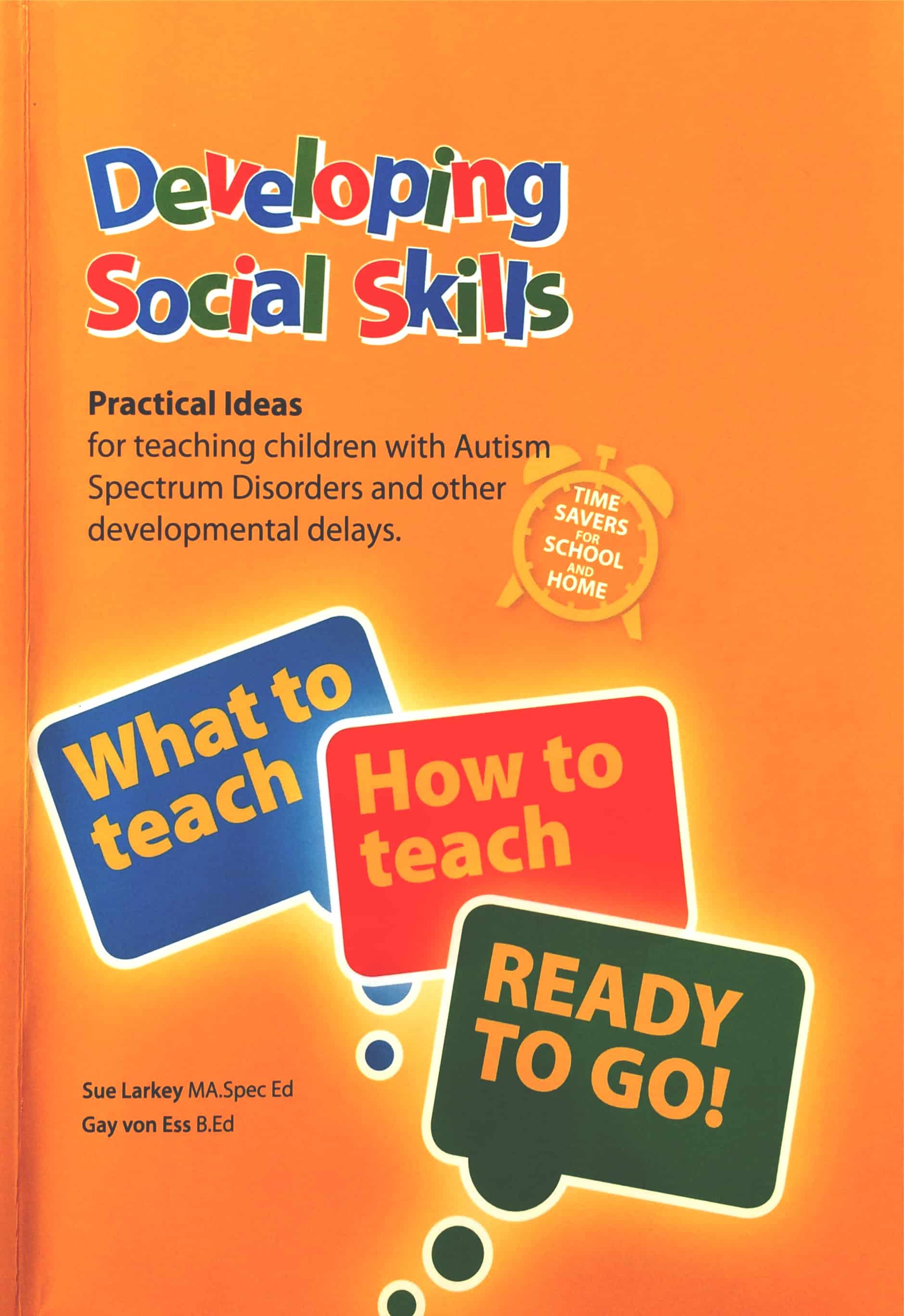
Developing Social Skills
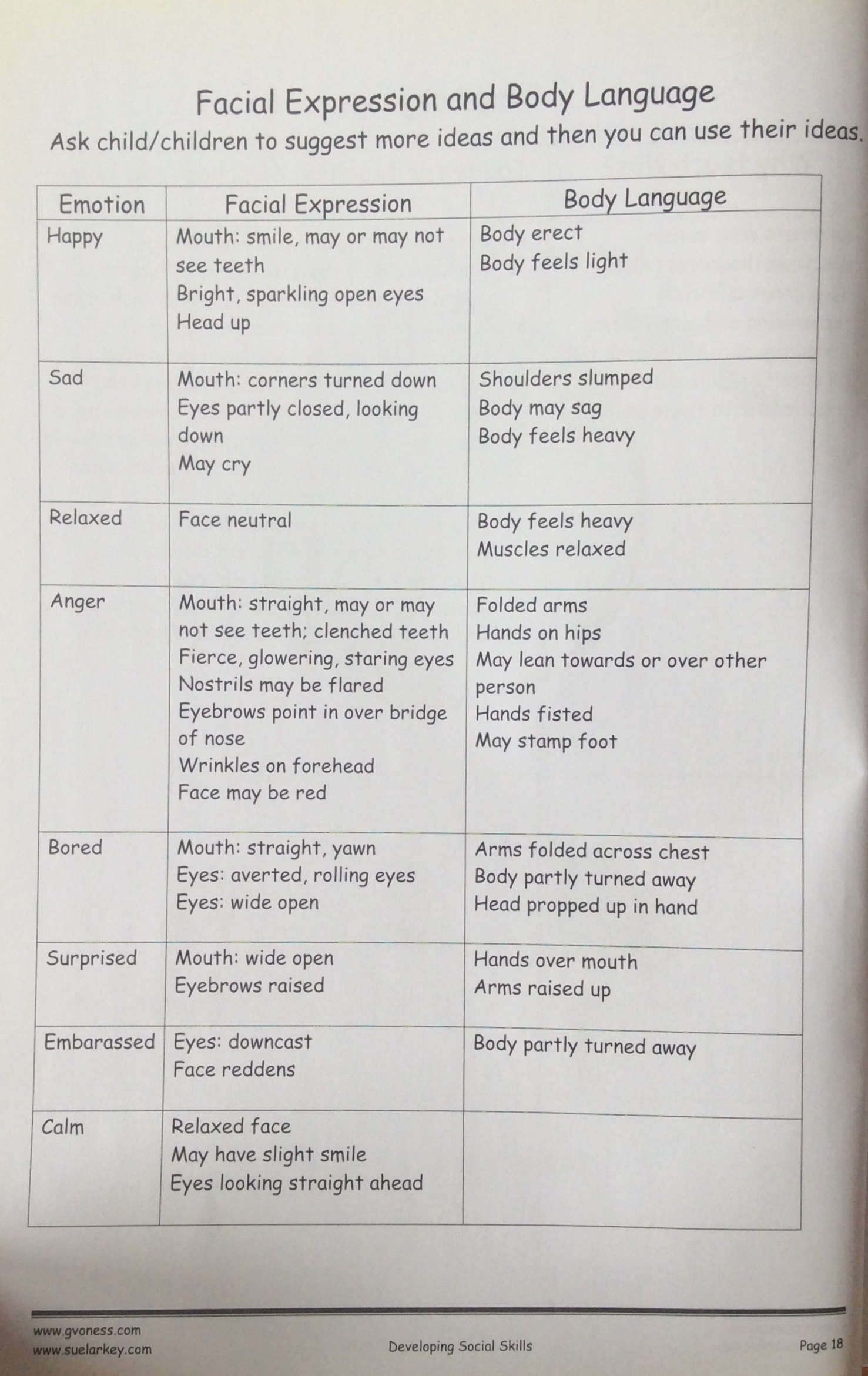
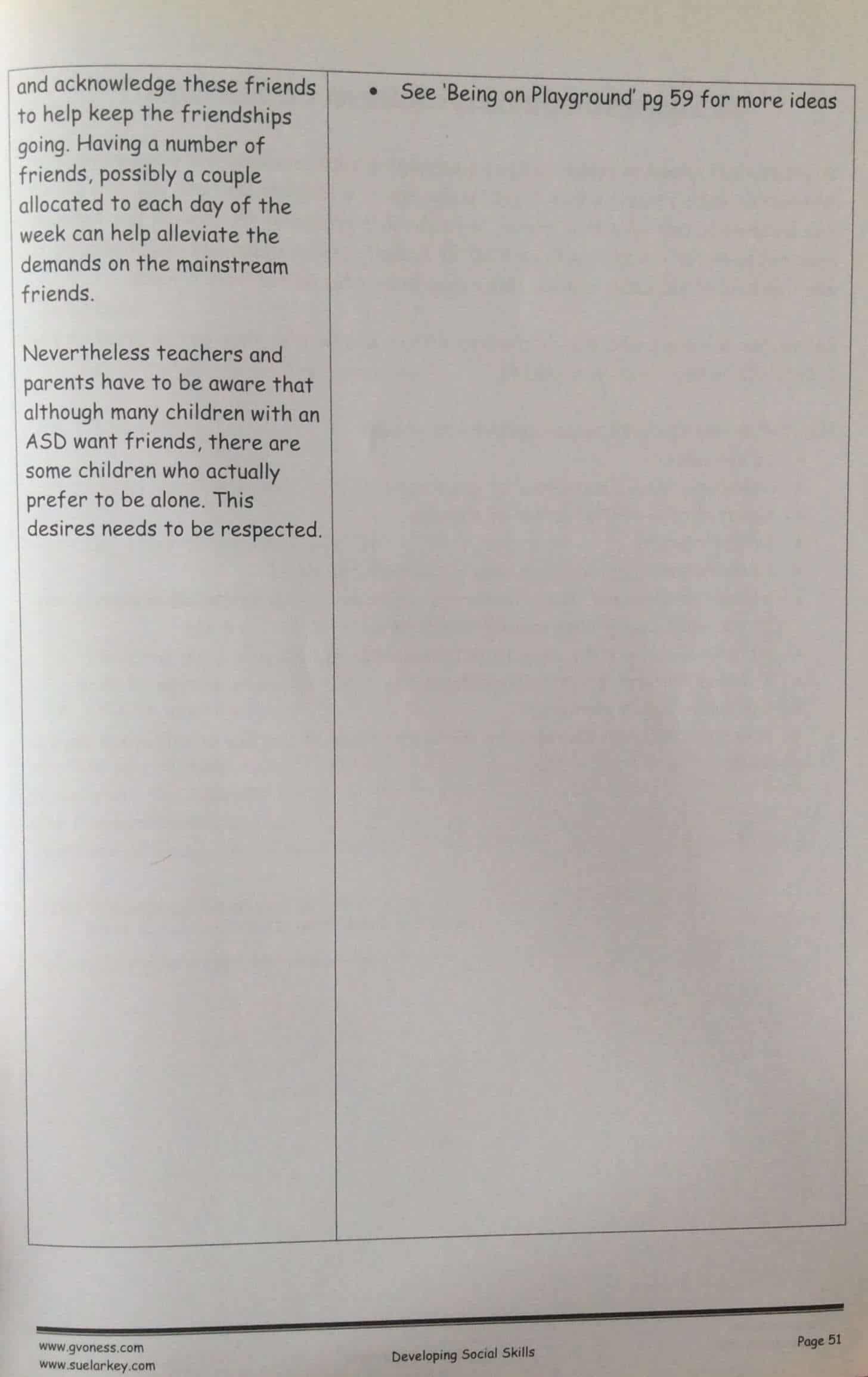
| by Sue Larkey & Gay von Ess | A starting point for teaching and encouraging social interactions and skills for children with an autism spectrum disorder and other developmental delays. It is a useful concrete and visual resource which when coupled with videoing, role playing and modeling will help young primary school age children with an autism spectrum disorder to better understand the social world around them. This book includes hundreds of ideas, social stories and worksheets. It is a great resource full of time savers for home and school.
$39.95
11 in stock



COURSE ON SALE – $50 OFF
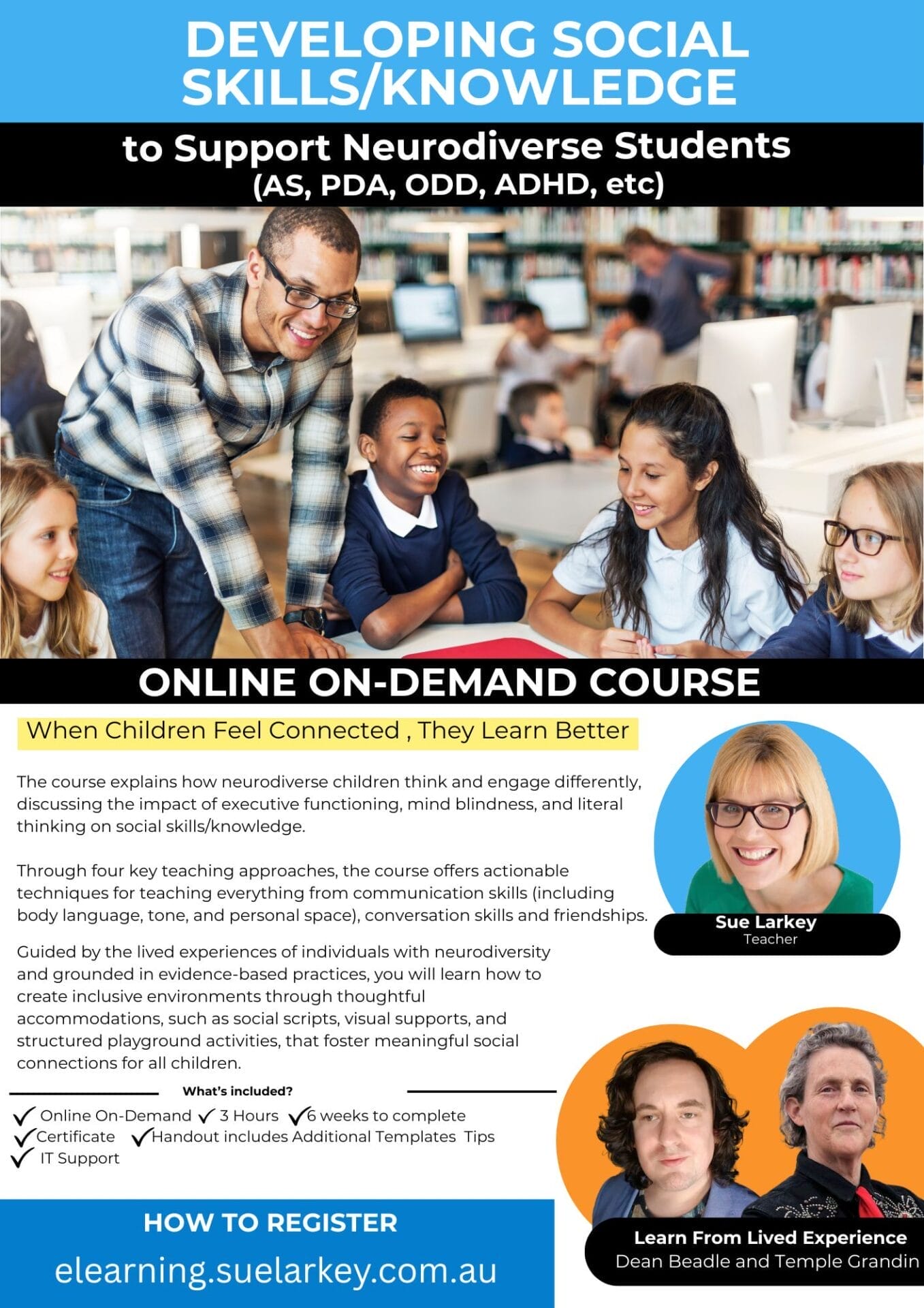
Developing Social Skills for Children with Diverse Learning Needs with Sue Larkey – On-Demand Course
What is Alexithymia?

How Friendships Look Different

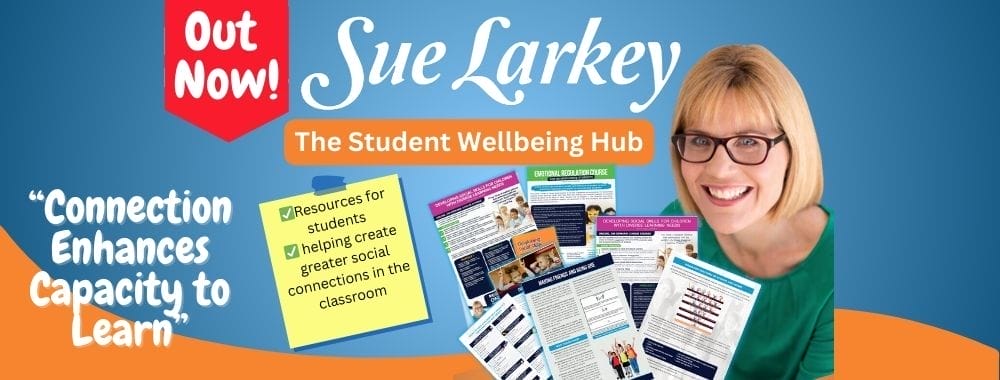
RECOMMENDED COURSES
Developing Social Skills for Children with Diverse Learning Needs with Sue Larkey – On-Demand Course
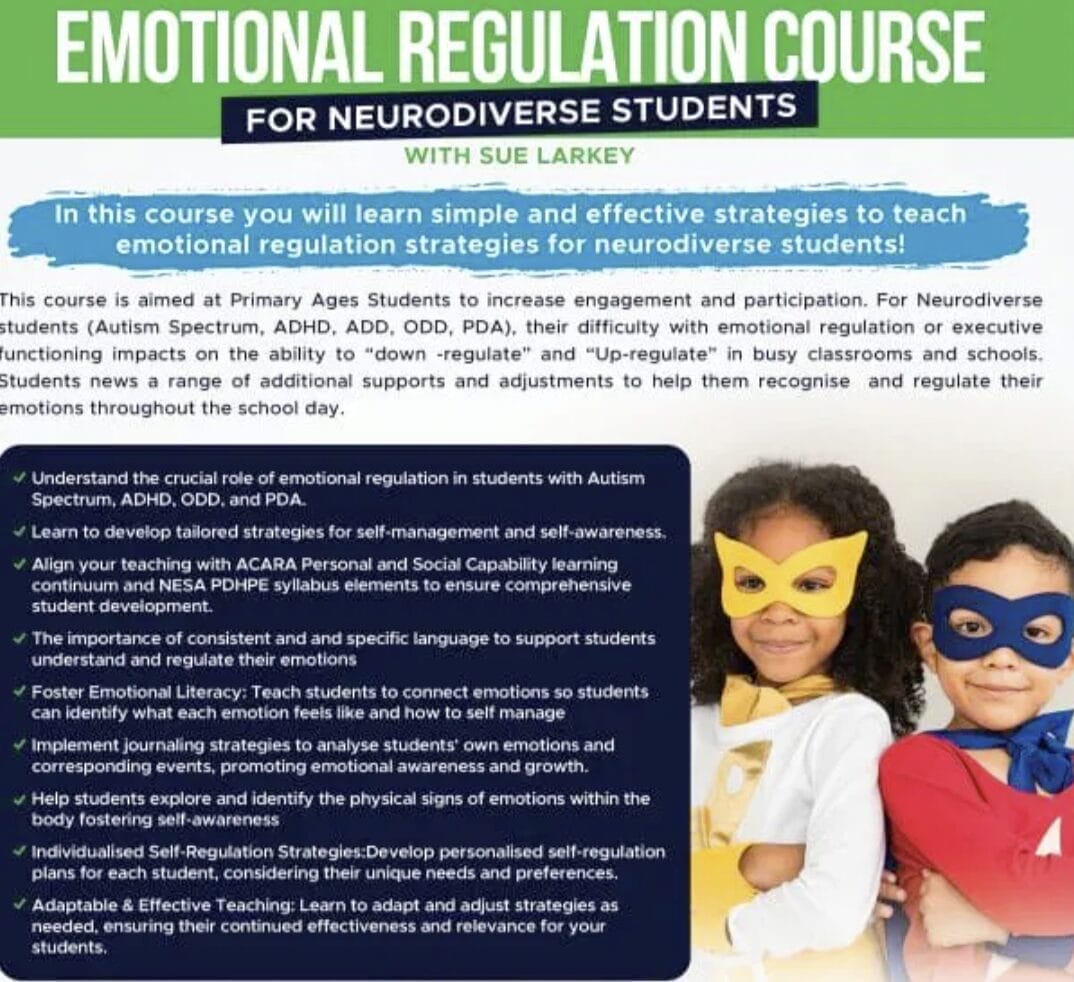
Challenging Behaviour in the Classroom: Emotional Regulation in Students with an Autism Spectrum and/or other Neurodiversity
RECOMMENDED PODCASTS
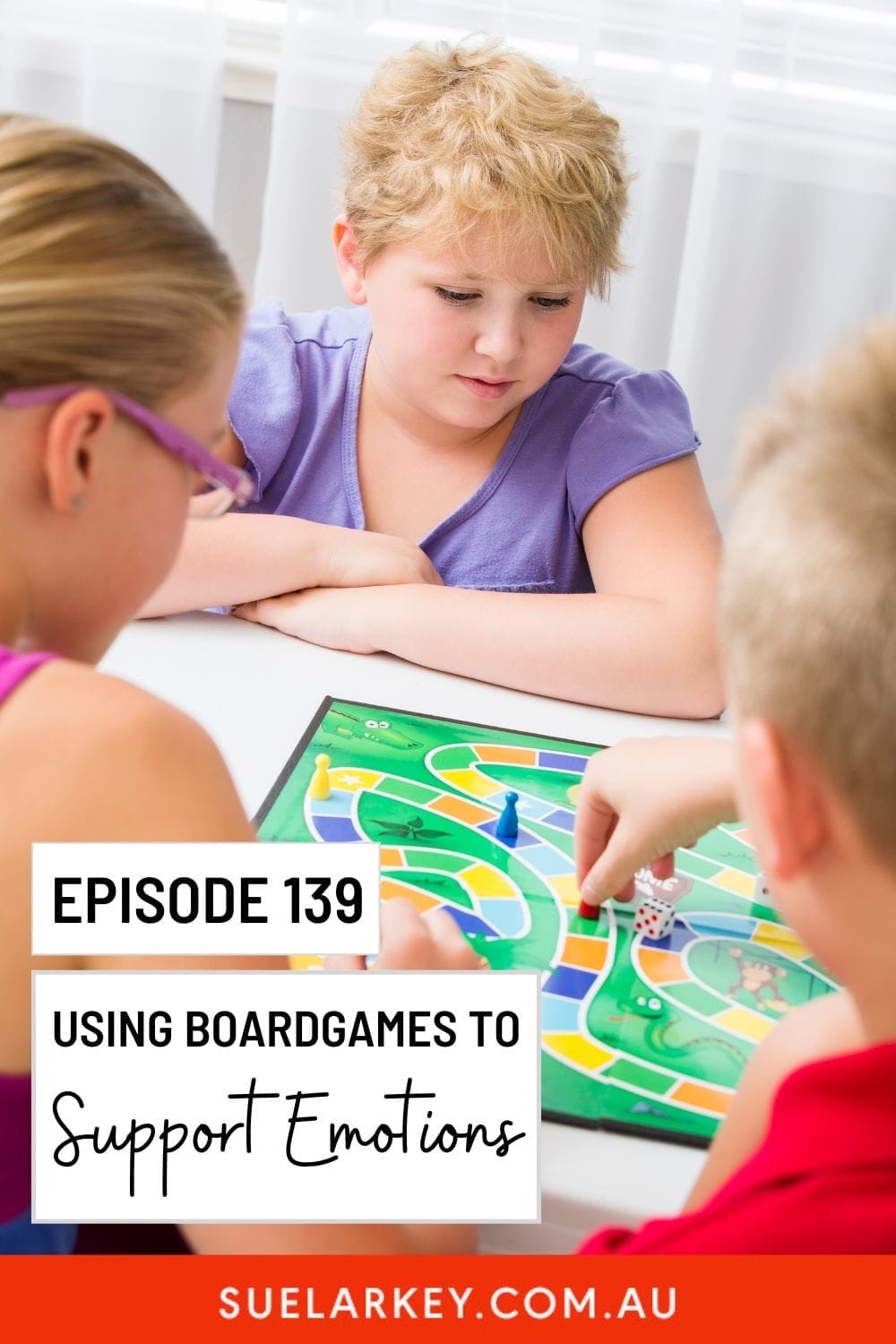
EPISODE 139:
Using Boardgames to Support Social & Emotional Development
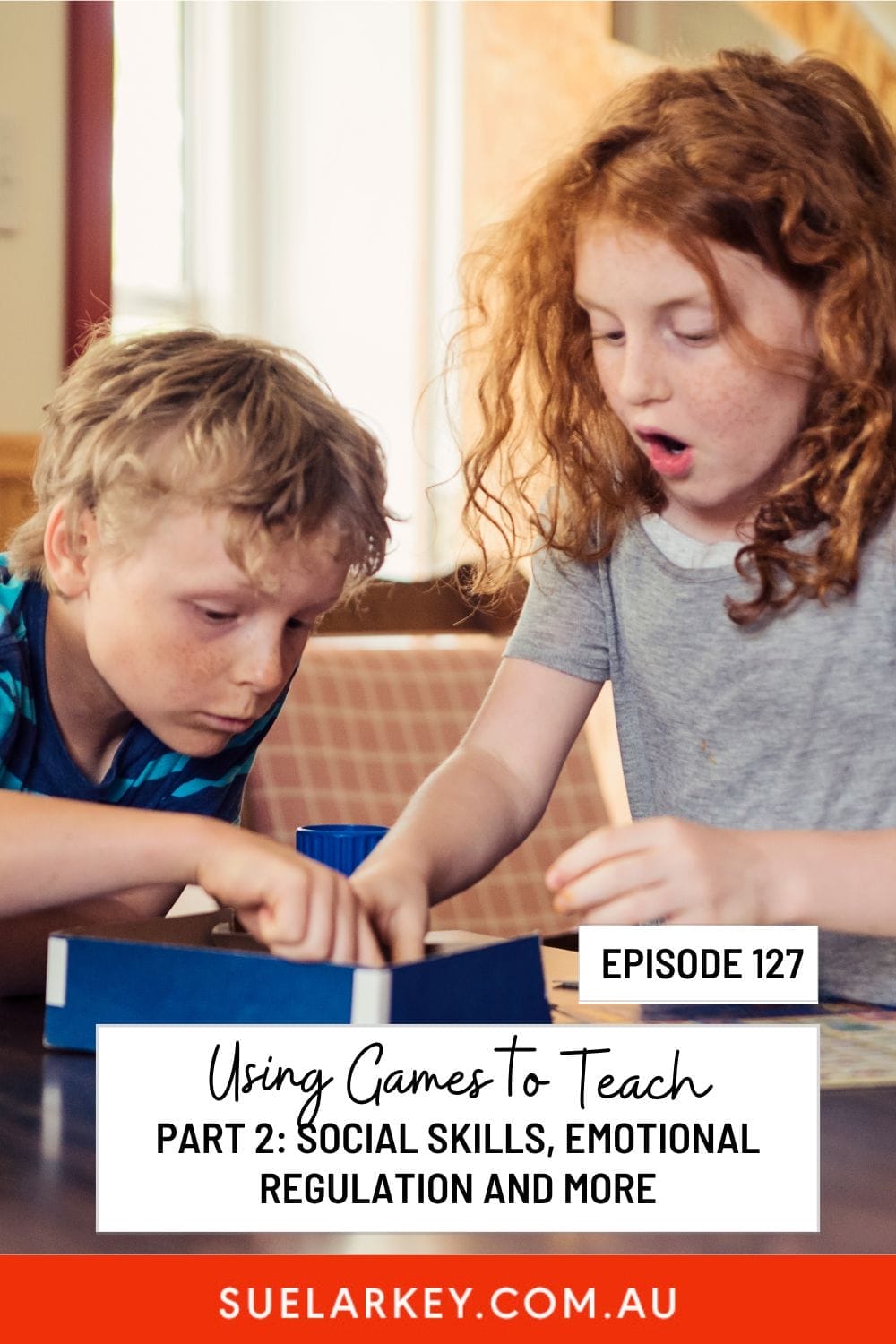
EPISODE 127:
Using Games to Teach – Part 2: Social Skills, Emotional Regulation and More
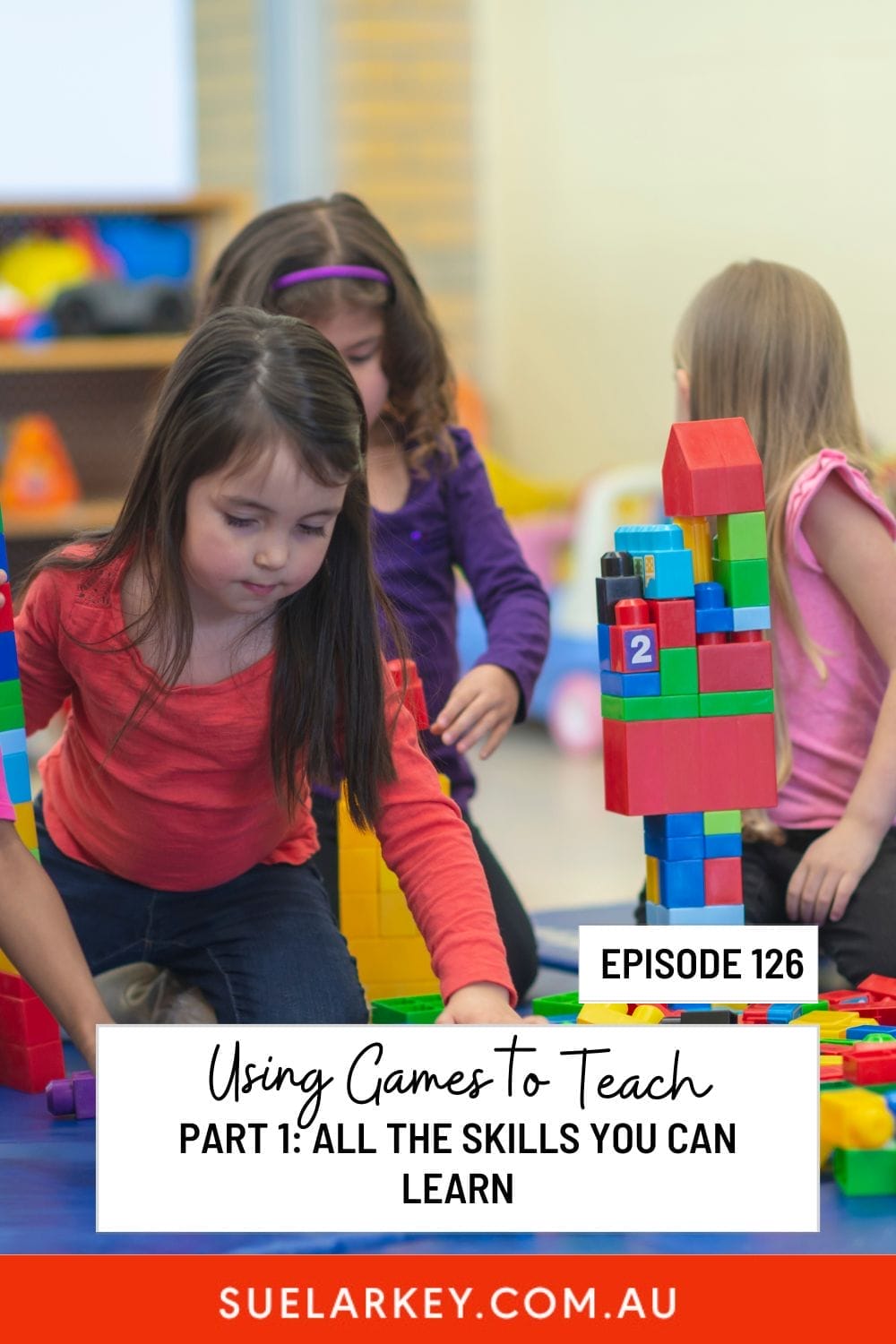
EPISODE 126:
Using Games to Teach – Part 1: All the Skills you can Learn
-
How to Stop Your Words Bumping into Someone Else’s
$29.95 -

Wooden Massager
$6.00 -

Time Timer – 7.6cm Small
$50.00 -
Portable Schedule with Digital Timer
$24.95 -
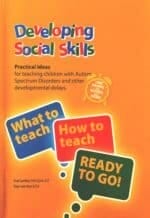
Developing Social Skills
$39.95 -

Time Timer – 20cm Medium
$65.00 -

The Red Beast
$45.95 -

Why Do I Have To?
$25.95 -

The Panicosaurus
$45.95 -

Time Timer PLUS
$80.00 -

The Disappointment Dragon
$45.95 -

The Kids Guide to Staying Awesome and In Control
$45.95

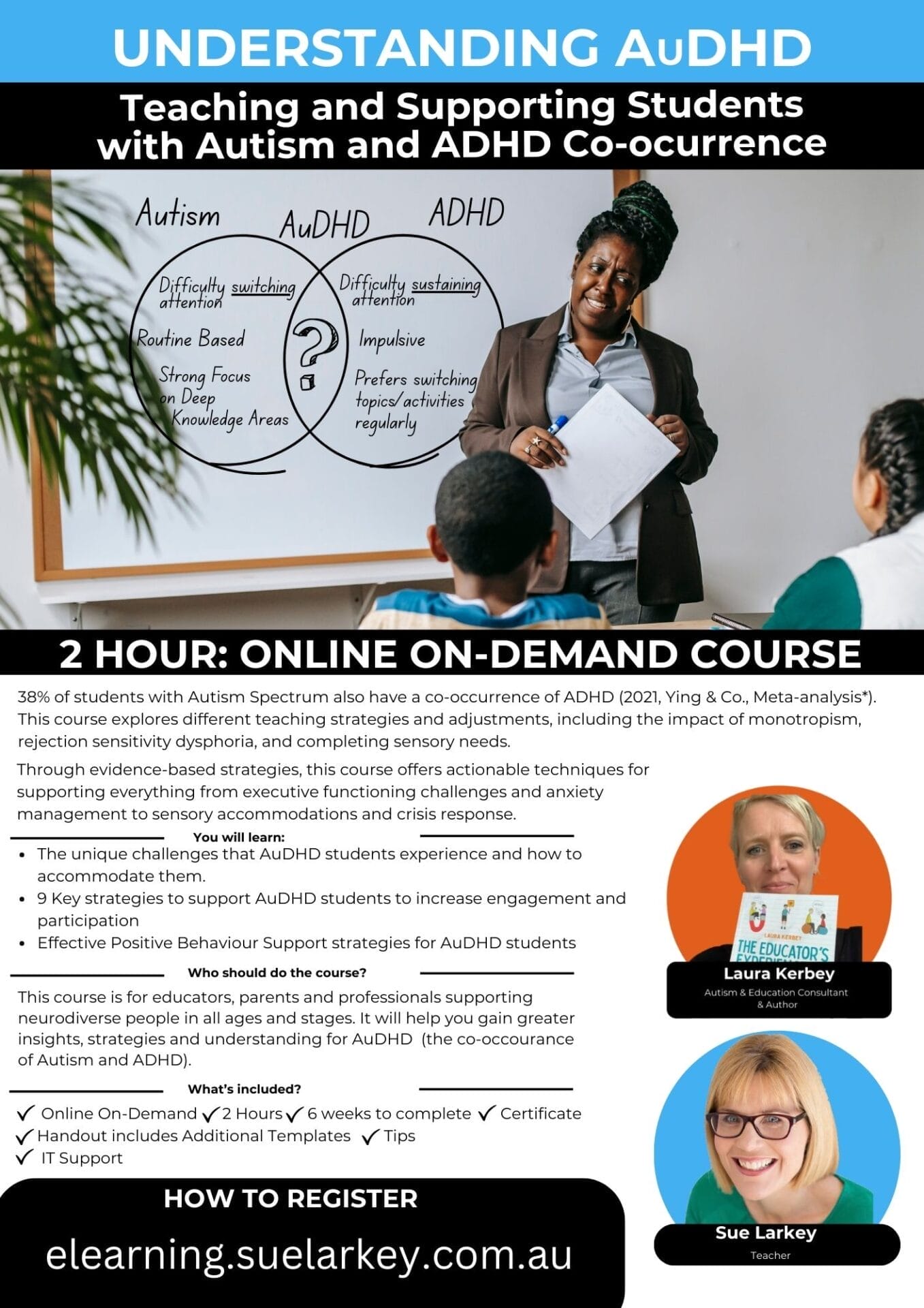
UNDERSTANDING AuDHD: Teaching & Supporting Students with Autism and ADHD Co-occurrence
✅ 2 Hours, 8 Lessons
✅ 6 Weeks to Complete
✅ Certificate of Completion
✅ Lesson Transcripts
 2 Hours
 Certificate
$149



 Sorry we no longer ship items outside Australia. Please consider the digital versions of Sue’s Books –