A Teacher’s Guide to AuDHD Girls: Shutdowns, Perfectionism, and the Veneer of Coping
with Guest Jane McFadden
AuDHD Girls Classroom Support
Jane McFadden is a former psychologist turned Neuroscientist, Author, and Neurodiversity Specialist.
Jane has both lived experience and clinical expertise.
After years of battling burnout, stress, and anxiety, she received a life-altering ADHD diagnosis in 2022, which answered many of her questions and ignited her passion to help other women and girls avoid being misdiagnosed and wrongly medicated.
While ADHD medication was life-changing, it also unveiled Autistic traits, leading to her being diagnosed as Autistic in 2024.
So I am thrilled to have Jane join us to share her knowledge & expertise on identifying camouflaged or internalising Autistic children.
Discussed in this Episode:
✅ Say Everything Three Times – Jane recommends ‘saying things three times’ as a whole-class strategy. Repetition reduces anxiety for internalising students who may miss instructions the first time due to processing differences — without singling anyone out.
✅ Make Accommodations for the Class, Not Just the Child – Instead of individual accommodations that can embarrass neurodivergent students, Jane asks: ‘What can we do to make everybody have a better day?’ Children whose parents are divorcing or who carry trauma also benefit — no diagnosis required.
✅ Eliminate ‘Captain’s Pick’ in PE with a Pre-Posted Group List – Sue describes a phys ed teacher who put a whiteboard outside his classroom on PE days showing which group each student was in. The child’s meltdown cycle stopped entirely — and other students clearly benefited too, proving the accommodation was never just for one child.
✅ Give Students High-Status Jobs to Create Belonging – ‘Giving them a job or a high-status job to create connection’ is Sue’s strategy for masked students who need a sense of belonging. Every child enjoys having a classroom role — making it an easy, non-stigmatising support tool.
✅ Use Non-Threatening Withdrawal with Teenagers – Jane advises against pulling a teenager out of class visibly. Instead, ‘send them on a job’ so they naturally cross paths with a counsellor or psychologist. This removes the embarrassment of being ‘the kid with the problem’ in front of peers.
✅ Choose Walks Over Office Sit-Downs for Sensitive Conversations – Jane notes that teenagers open up better during walks and ‘parallel play’ than in face-to-face office settings. Walking side-by-side reduces the feeling of being interrogated and mirrors the way teens talk while doing something else (like learning to drive).
✅ State Confidentiality Rules Clearly and Upfront – Jane describes how her 14-year-old self was ‘terrified’ that what she shared might go to other teachers or her parents. Explicitly telling students at the start of a conversation — ‘what you tell me will be handled like this’ — opens the door to honest disclosure.
✅ Stock Neurodiversity Books in the School Library – Jane shares that many autistic girls have gone to their school library, found the DSM-5, and self-identified as autistic. Sue adds that schools already stock books on sexuality and religion: ‘Every school should have these books out and free for children to look at.’ Books like All Cats Have Asperger’s let children self-discover in a safe, low-pressure way.
✅ Build Proactive Parent-Teacher Trust, Not Just Crisis Communication – Jane advises parents to email teachers when good things happen, and for teachers to put parents at ease proactively. She says: ‘If I trust that teacher, I’m gonna say, what were you doing?’ — meaning a trusted teacher gets the benefit of the doubt during hard moments.
✅ Recognise Shutdown vs. Non-Compliance in the Classroom – A shutdown looks like a child sitting quietly with their head down, not writing, and not responding to prompts. Jane’s daughter’s teacher initially read this as not participating. Understanding that a shutdown involves a genuine loss of cognitive function — not refusal — transforms how you respond. Try a sensory tent, quiet rest, or simply notifying the parent.
EXAMPLES OF ADHD IN GIRLS
- The student who appears to be reading well but has significant comprehension difficulties
- The helpful student who volunteers for every task to avoid playground social interactions
- The “mini prime minister” who appears confident but can’t handle change
- The quiet student who shuts down rather than acts out
- The student who appears socially competent at school but has major meltdowns at home
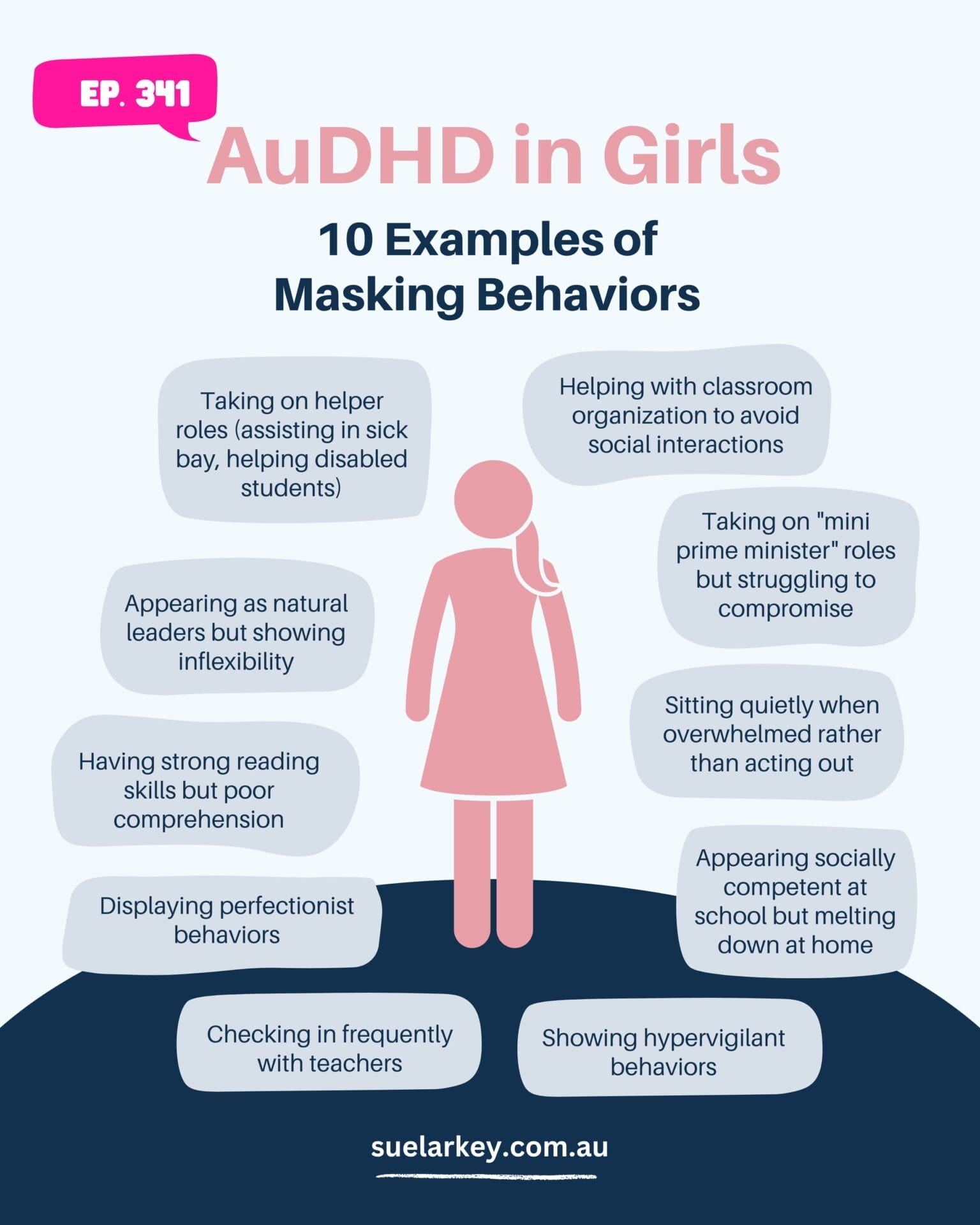
Examples of Masking Behaviors
- Taking on helper roles (assisting in sick bay, helping disabled students)
- Appearing as natural leaders but showing inflexibility
- Having strong reading skills but poor comprehension
- Displaying perfectionist behaviours
- Checking in frequently with teachers
- Showing hypervigilant behaviours
- Appearing socially competent at school but melting down at home
- Sitting quietly when overwhelmed rather than acting out
- Taking on “mini prime minister” roles but struggling to compromise
- Helping with classroom organisation to avoid social interactions
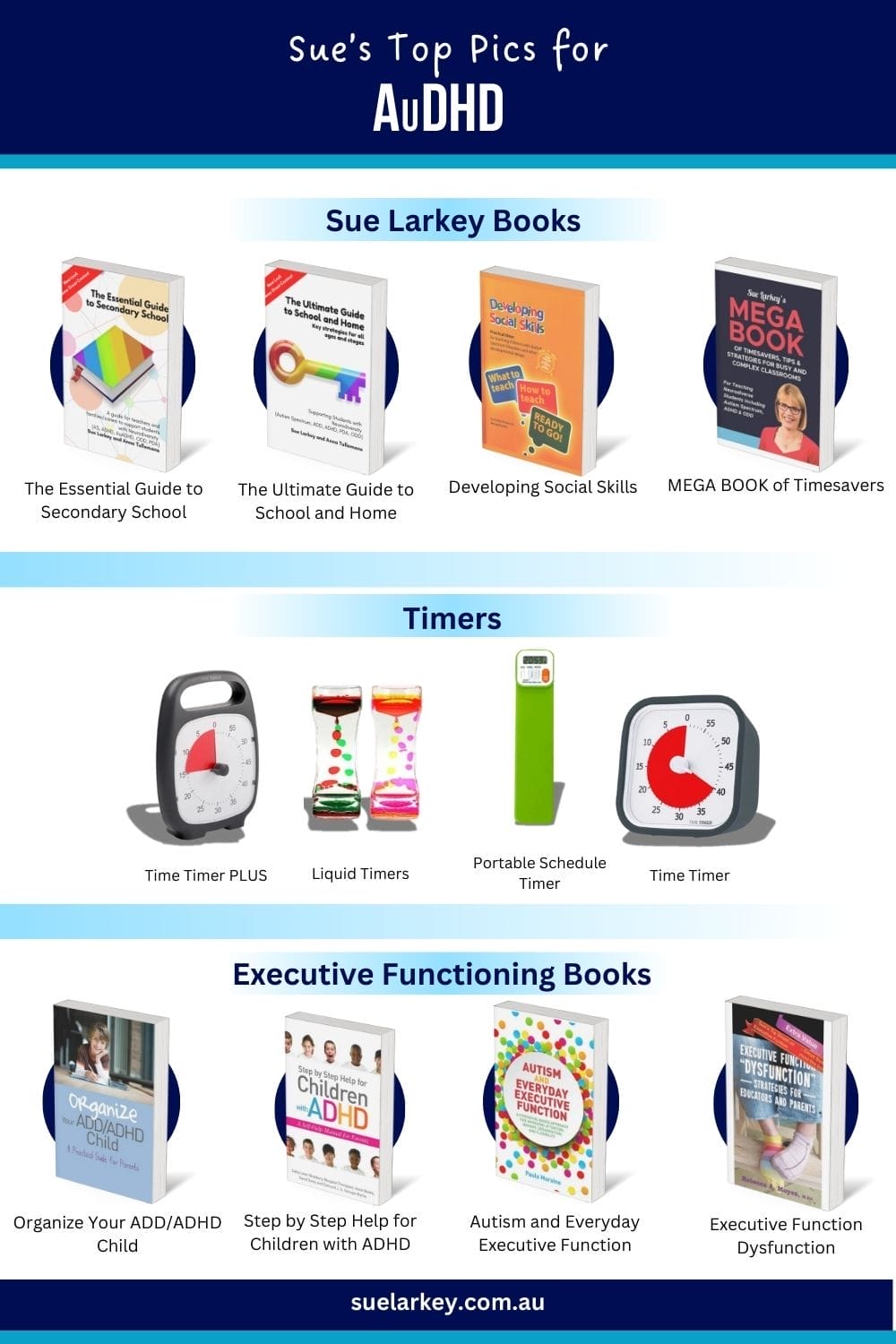
UNDERSTANDING AuDHD: Teaching & Supporting Students with Autism and ADHD Co-occurrence
✅ 2 Hours, 8 Lessons
✅ 6 Weeks to Complete 🎁 Bonus 6 Months Access (available until 28 Oct 25)
✅ Certificate of Completion
✅ Lesson Transcripts
 2 Hours
 Certificate
$149
Start now on Sale for $79


Understanding ADHD in Girls and Woman
$37.95
4 in stock
Recommended courses
Understanding AuDHD:
Teaching and Supporting Students with Autism and ADHD Co-ocurrences
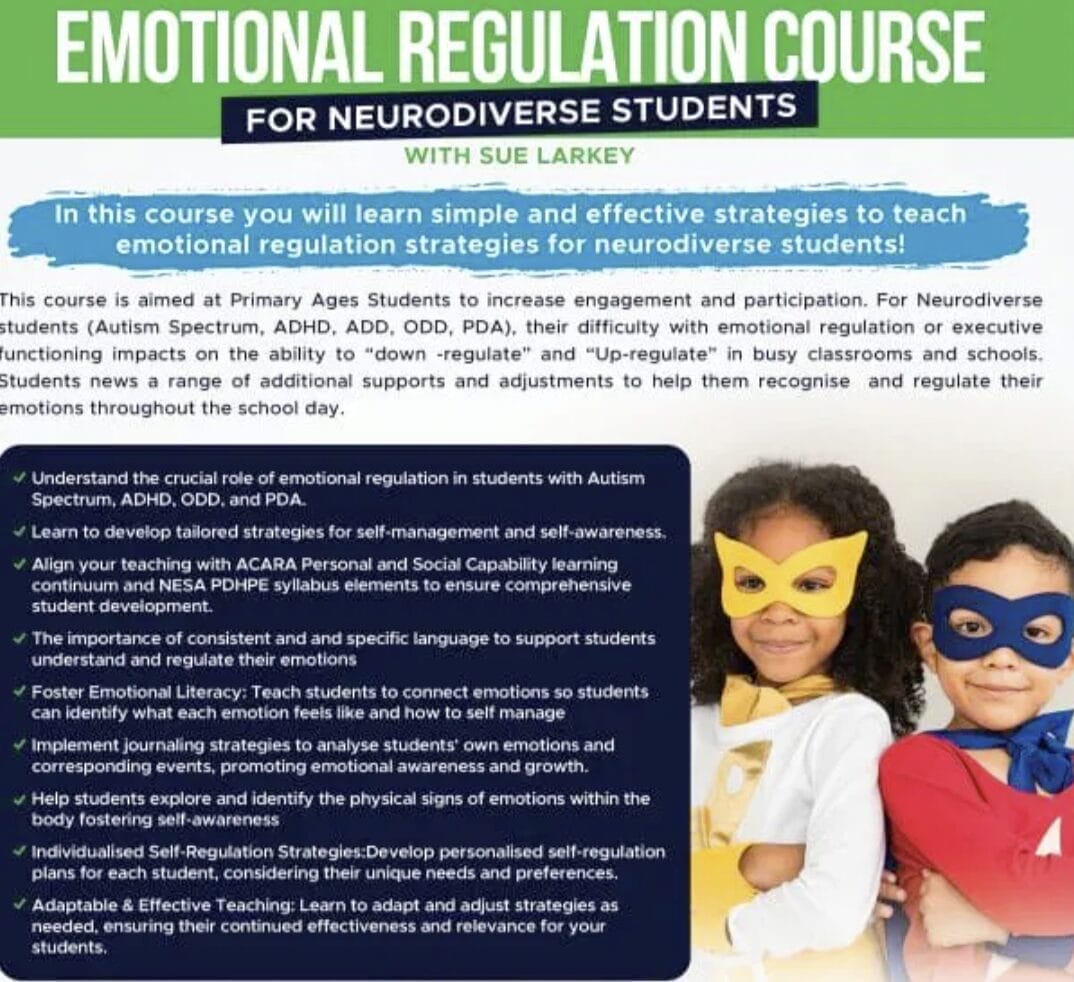
Challenging Behaviour in the Classroom: Emotional Regulation in Students with an Autism Spectrum and/or other Neurodiversity
book recommendations
to learn more about AuDHD in girls
-

Time Timer – 20cm Medium
$65.00 -

Time Timer – 7.6cm Small
$50.00 -
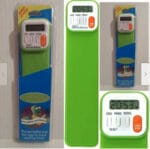
Portable Schedule with Digital Timer
$24.95 -
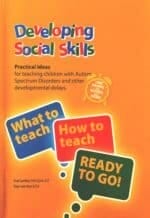
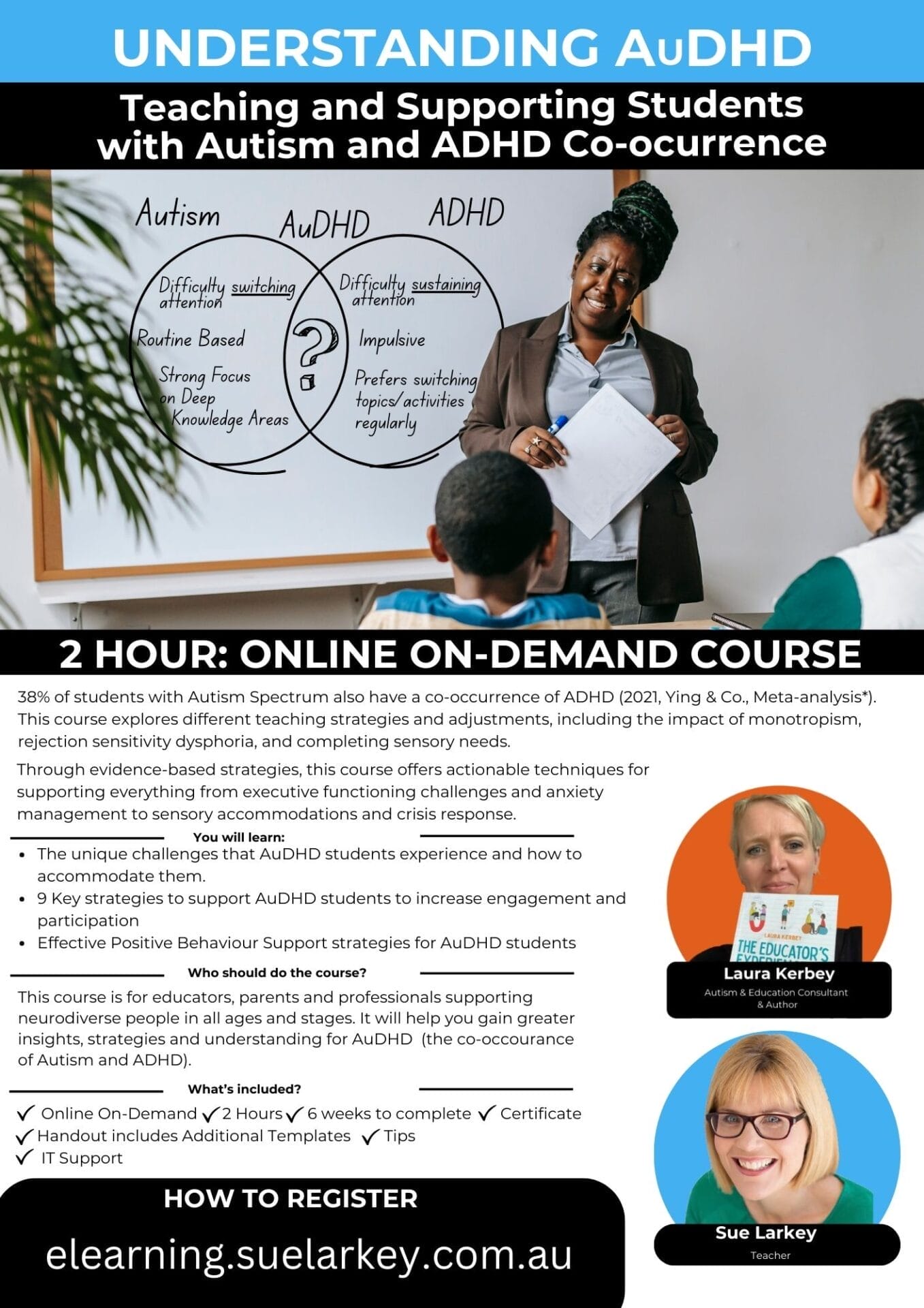
Developing Social Skills
$39.95 -

Aspergirls
$45.95 -

More Secret Girls’ Business
$17.95 -

Puberty and Special Girls
$45.95 -

Time Timer PLUS
$80.00 -

The Ultimate Guide to School and Home
$44.95 -
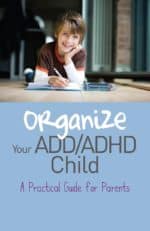
Organize Your ADD/ADHD Child
$42.95 -
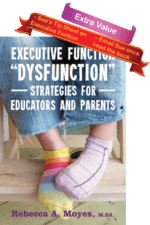
Executive Function Dysfunction
$48.95 -

Pretending to Be Normal Updated Version
$48.95
Enjoy Masking and Autism Explained? Try these great books to Help with Self Regulation and Prevenative Breaks
Great Books to Help with Self Regulation and Preventative Breaks

Emotional Regulation in Students with an Autism Spectrum Disorder and/or other Neurodiverse Disorders – Masterclass.
Helpful Autistic Lived Experiences Facebook Groups and Organisations:
Enjoyed Masking and Autism Explained? Check out my other Podcasts Referred to:
Episode 81: How Embracing Autistic Strengths Changed His Life: An Interview with Chris Bonnello
UNDERSTANDING AuDHD: Teaching & Supporting Students with Autism and ADHD Co-occurrence
✅ 2 Hours, 8 Lessons
✅ 6 Weeks to Complete
✅ Certificate of Completion
✅ Lesson Transcripts
2 Hours
Certificate
$149


Sue Larkey
Teacher, Masters Special Education, Author, Speaker
Sue Larkey is a highly qualified educator who has taught students with autism spectrum disorder in the mainstream and special schools. She combines practical experience with extensive research having completed a Masters in Special Education and the research sections of a Doctorate in Education. Sue has over 1.3 million downloads of her Podcast (Sue Larkey Podcast) of which there are over 200 episodes. Sue has has authored many books on autism spectrum disorders. She believes that armed with the tools of understanding and confidence, much can be achieved.
Some of Sue Larkey’s achievements include:
- Podcast ‘Sue Larkey’ over 1.3 million downloads
- Sue Podcast is #1 Apple Podcast Ranked (Australia: Course Category)
- Podcast Resources used by Leading Universities to train teachers such as Monash University, Canberra University
- Over 135,000 subscribers to her weekly E-Newsletter in over 30 countries
- Authored over 18 Books for Educators, Teacher Assistants, Parents/Carers
- 130,000 Facebook in her Community to Embrace Difference to make a Difference
- Fomer Winner of Naturally Autistic International Award for Community Contribution
- Given hundreds of speeches including International and National Conferences
- A trusted source of knowledge, compassion and inspiration for parents/carers, support workers, teachers, teacher assistants, educators and more

**************************************
Join me for an upcoming Workshop:
Can't make these Workshop dates? Join me for a self-paced on-demand course:
Sue Larkey On-Demand Workshops


 Sorry we no longer ship items outside Australia. Please consider the digital versions of Sue’s Books –