OCD & Autism in the classroom
With Guest Dean Beadle
ocd AUTISM CLASSROOM STRATEGIES

Discussed in this Podcast:
✅ Ask whether the repetition is coming from joy or fear. If it brings the child delight and regulation, encourage it. If the child looks distressed and would rather be doing anything else, treat it as a possible compulsion and respond accordingly.
✅ When a student asks the same anxiety-driven question repeatedly, resist repeating the same answer. Offer compassion and co-regulation instead. “I can see your brain is telling you something scary. Can I sit with you until it feels easier?”
✅ Explain to students in accessible language that their nervous system is firing a false alarm. Remind them that not doing the compulsion is the way to prove to their nervous system that they are safe.
✅ Help students recognise that checking something once is normal, but checking it a second or third time is a compulsion. Use concrete examples like checking lost property once versus checking it repeatedly every day.
✅ Rather than asking a student to stop a ritual entirely, suggest waiting five minutes before doing it. This small gap between the thought and the response begins to weaken the OCD cycle without causing extreme distress.
✅ Take photos or videos of a student’s wins: arriving at class, completing a task, getting through a difficult moment. Build a visual diary of successes that can be revisited, especially for students who find written records hard to access.
✅ Support students to remain connected to daily routines during OCD flare-ups. Withdrawing completely can signal to the nervous system that something is dangerously wrong, which feeds the OCD cycle. Even partial attendance helps.
✅ OCD often involves thoughts on taboo subjects, making children reluctant to speak up. Create a consistent, non-judgemental relationship so that over time students feel safe enough to indicate when their OCD is active.
✅ Be alert to small shifts in posture, facial expression, or energy level. These subtle signals may indicate an OCD episode that the child cannot or will not name verbally.
✅ Sit alongside the student, acknowledge their experience (“I can see you’re really distressed right now”), and stay calm and present. This models safety without feeding the compulsion cycle through repeated reassurance.
ocd posters

ocd tip sheet pack

OCD in The Classroom: Understanding, Recognising & Supporting Students with OCD and Autism
✅ 2 Hours, 6 Lessons
✅ 6 Weeks to Complete
🎁 Bonus 6 Months Access
✅ Certificate of Completion
✅ Lesson Transcripts
Start now for $149

recommended courses

Pathological Demand Avoidance (PDA) in the Classroom: Understanding and Teaching Strategies for Educators

Executive Functioning Training
Educators Guide to Executive Functioning – Why it impacts Learning and Behaviour & What to do
more podcasts with dean beadle

Episode 275:
Executive Functioning Skills for Neurodiverse Students: “Beyond just try harder” with guest Dean Beadle

Episode 292:
Dean Beadle shares his lived experience of embracing his Autistic Identity and finding Autistic Joy

Episode 256:
Fostering Self-Advocacy: Dean Beadle on Autistic Identity in Education
RECOMMENDED PRODUCTS
-

The Complete Guide To Asperger’s Syndrome
$63.95 -

Exploring Feelings: Cognitive Behaviour Therapy to Manage Anxiety
$38.95 -
Exploring Feelings: Cognitive Behaviour Therapy to Manage Anger
$46.95 -

Asperger’s Syndrome
$45.95 -
Helping Kids and Teens With ADHD in School
$59.95 -

Can I Tell You About Asperger Syndrome?
$31.95 -

Exploring Feelings: For Young Children with High-Functioning Autism or Aspergers Disorder
$59.95 -

Time Timer – 20cm Medium
$65.00 -

Time Timer – 7.6cm Small
$50.00 -
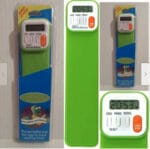
Portable Schedule with Digital Timer
$24.95 -

The Red Beast
$45.95 -
Behaviour Solutions for the Inclusive Classroom
$29.95 -

Aspergirls
$45.95 -

From Anxiety to Meltdown
$48.95 -

The Panicosaurus
$45.95 -
Can I Tell You About OCD?
$31.95 -

Time Timer PLUS
$80.00 -

Can I Tell You About Autism?
$31.95 -

The Disappointment Dragon
$45.95 -
People with Autism Behaving Badly
$45.95



 Sorry we no longer ship items outside Australia. Please consider the digital versions of Sue’s Books –