Understanding and Supporting Executive Function Skills in the Classroom
Executive Function Skills Children
Discussed in this Episode:
✅ The NAPLAN Owl: I shared how one of my boys couldn’t get any NAPLAN done one year because an owl appeared outside the school hall window, and his interest in birds meant he hyper-focused on the owl instead of his exam.
✅ The Antarctica Poster: I explained how I break a big assignment like an Antarctica poster into weekly chunks, habitat one week, animals the next, rather than handing over the whole task at once and expecting a child to prioritise it themselves.
✅ The Last Three Puzzle Pieces: I described starting a puzzle for a child by doing the first five pieces myself and leaving them the last three to five, because many of my kids don’t know where to begin with a whole puzzle in front of them.
✅ Video-Modelling a Tidy Bedroom: I told the story of helping a mum tidy her teenage son’s bedroom with him, then filming it on an iPad and narrating each part, “this is what your desk looks like, this is what the drawers look like,” so he had a clear reference point.
✅ Annalise’s Daughter and the Timer: I talked through Annalise’s daughter, who has PDA and high anxiety and hates timers, and how I’d set a timer for longer than the task actually needs and use a count-up digital schedule instead, so she builds a realistic benchmark rather than a countdown that causes panic.
✅ The 25 Minutes Work, 25 Minutes YouTube Schedule: I described using a digital schedule with a pause button, where I tell a child “25 minutes work and then 25 minutes on your YouTube,” and pause the schedule to keep them accountable for genuinely working, not just sitting through a countdown.
✅ “Can You See the Pattern? Yes.”: I gave the example of one of my little girls being asked in her plan, “can you see the pattern?” and simply answering “yes,” because she took the question completely literally instead of realising she was meant to write the pattern down.
✅ Susan’s Coloured Clock: I shared how Susan in my Facebook community used a clock divided into coloured parts, moving the hands to match the real clock, to give her autistic child a sense of control and understanding of time in the classroom.
✅ The Cake in the Oven: I used the example of putting a cake in the oven for the time stated on the packet, checking it isn’t cooked, and calmly adding another five minutes, as a way of modelling out loud what to do when a task takes longer than the timer allowed.
✅ Finishing Homework at Home: I described children with “why bother syndrome” who won’t start work if they don’t think they’ll finish it, and how letting them take unfinished work home, with a written list of what’s left to do, has helped them actually complete it.
Learn more about Improving Executive Functioning Skills!
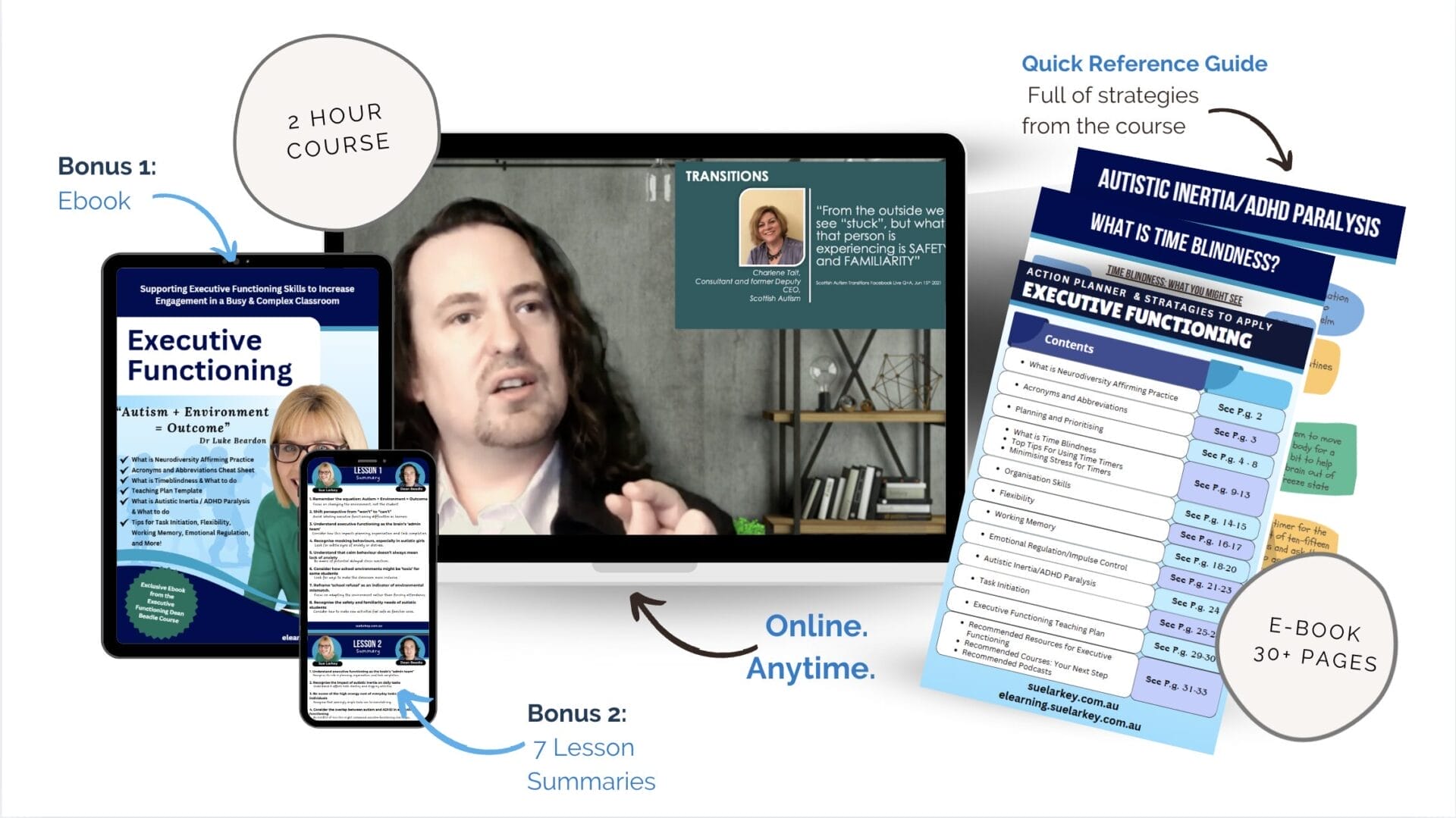
Executive Functioning & Autism/ADHD – What is it? What to do?
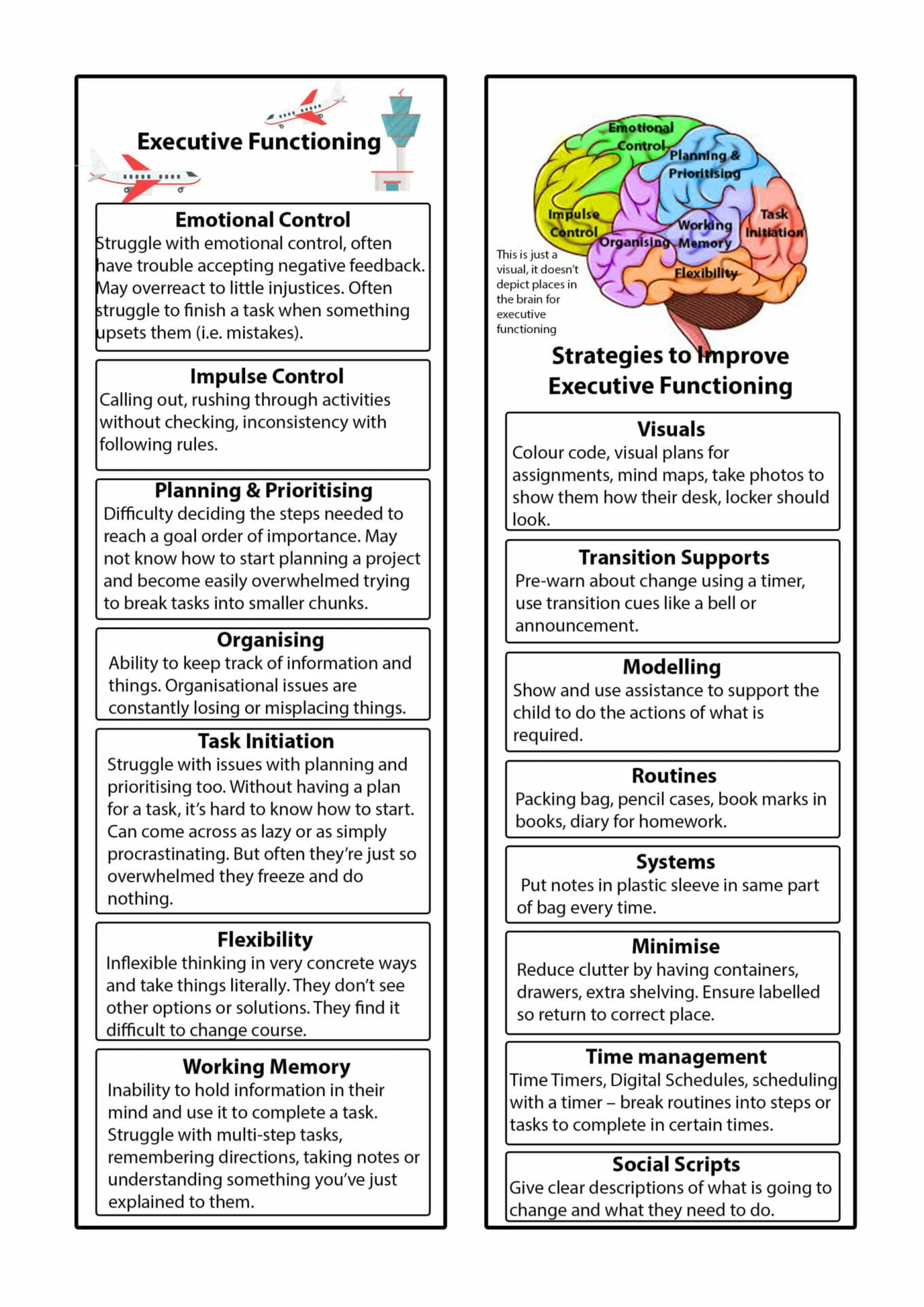
Executive functioning refers to the part of your brain that organises, prioritises and regulates emotions. However, I prefer to refer to it as the ‘Air Traffic Control,’ as just like air traffic control has to manage thousands of planes on countless runways with perfect timing, students have to manage information and distractions. For in-depth insights see this podcast summary of Executive Function Introduction.
Impaired Executive Function can impact significantly on students with autism’s ability to learn and engage in busy learning environments.
Students may not struggle with all areas of Executive Functioning to the same degree. It is important to identify which areas the student needs supports, and put in place strategies to support and develop this skill. I find that if the child has had an assessment by a psychologist it is worth checking which areas were identified as impaired and then using these results to help guide the strategies used to improve their executive functioning.
I find that strategies to address Executive Functioning are often helpful for ALL students but are particularly VITAL for students with autism/AHHD in making a difference to their learning, behaviour and social skills. I discuss this more in the “One Thing I Wish I know 20 Years Ago”.
Fortunately, we can improve executive functioning skills through a range of strategies, below are some examples.
1.Emotional Control
This is where they have difficulty with behaviour and emotional control. This can look like difficulty waiting for a turn, getting frustrated easily, off task behaviours, overreaction to the smallest things (e.g. not being first), becoming overwhelmed or meltdowns.
How to Improve Emotional Control
✅ Sensory tools, break cards, take a break tables,
✅ Emotion Cards that communicate how they are feelingand what to do to repair emotions.
✅ Resources like ‘The Kids Guide to Being Awesome and in Control‘ are full of great strategies for teaching emotional regulation. Available here.
✅ Social Scripts that help students with turn taking, waiting, putting hand up to wait for a turn. See pg 3 on How to write Social Scripts
2. Impulse Control
This can be calling out, distracting others, aggression /fighting, rushing through activities without checking or inconsistency with following rules.
How to Improve Impulse Control
✅ Redirection – telling them ‘what do do’ not ‘not what to do’ i.e. ‘Put your hand up’ rather than ‘No Calling out’
✅ Social Scripts that explain how to put up hand, rules for playground and group work
✅ Prewarn about rules and expectations in specific situations : use visuals where possible
3. Planning and Priotising
This is where they have difficulty deciding the steps needed to reach a goal order of importance. As a result they may get no work done, be easily distracted, avoid tasks and may be easily overwhelmed. They may also have trouble seeing the main idea and easily go off topic.
How to Improve Planning & Prioritising
✅ Visual Planning Supports such as: Mindmaps, Rubrics,
✅ Support Staff spending individual time with the student to help break down tasks down, prioritise & plan
✅ Using Calendars, Diaries (make sure have set times to write in and check)
✅ Break Tasks into set up small achievable steps, tick off each step when completed

4. Organising
This includes ability to keep track of information and things.
How to Improve Organisation
✅ Systems in place for organization i.e.own hook in bag area away from busy areas
✅ Minimising equipment and books i.e. one book/folder or limiting the side of pencil case and its contents
✅ Take Photos of how desk/locker/bag should look so remind them where things go
✅ Help write down plans and thoughts and organize logically.
5. Task Initiation
This often looks like a student sitting doing nothing, being oppositional ‘I am not doing it’ or procrastinating (need toilet etc.). Then in actual fact they are often just so overwhelmed they don’t know how to start.
How to Improve Task Initiation
✅ Give a Partner to work with, who can model what to do
✅ Limit and write down instructions where possible
✅ Simplify worksheets
✅ Traffic Light Strategy
6. Flexibility
They often don’t like to change or stop in the middle of an activity. They don’t see other options or solutions and often don’t understand what is being asked of them. This can result in arguing, getting frustrated /angry and meltdowns. Often take things literally. See Theory of Mind pg 12
How to Improve Flexibility
✅ Timers to pre-warn when to finish.
✅ Routines/Schedules – Understand their need to know what is happening when.
✅ Pre-warn about changes (people and events) ExplainWHY changing and WHAT replacement i.e. Mum is picking you up today as Grandma is at the Doctor
✅ Use Social Scripts that give clear descriptions of what is going to change/new and what I need to do.
7. Working Memory
This is the inability to hold information in their mind and use it to complete a task. Struggle with multi-step tasks, remembering directions, taking notes or understanding something you’ve just explained to them.
How to Improve Working Memory
✅ Visuals -The more visuals the better
✅ Model – SHOW what you want, Don’t Tell
✅ Co-actively do activities: learn best BY DOING and being involved in learning ie hand over hand for handwriting.
✅ Slow it down, Break it Down (instructions etc)
✅ Get them to repeat in own words instructions/direction
Want to learn more?
Want to Make Your Own Executive Functioning Cheat Sheet
Must Have Executive Functioning Resources
-

Time Timer – 20cm Medium
$65.00 -

The Ultimate Guide to School and Home
$44.95 -

Time Timer – 7.6cm Small
$50.00 -
Portable Schedule with Digital Timer
$24.95 -

Time Timer PLUS
$80.00 -

The Essential Guide to Secondary School
$44.95 -

Sue Larkey’s MEGA BOOK of Timesavers, Tips & Strategies for Busy and Complex Classrooms
$49.95 -
Executive Function Dysfunction
$48.95 -
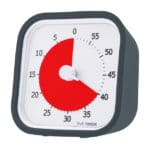
Time Timer MOD – Charcoal Colour
$60.00
RECOMMENDED COURSES
Understanding Autism Spectrum Disorder: Knowledge to Improve Student Learning, Participation and Outcomes

Executive Functioning Training:
Educators Guide to Executive Functioning – Why it impacts Learning and Behaviour & What to do
RECOMMENDED PODCASTS

EPISODE 256:
Fostering Self-Advocacy: Dean Beadle on Autistic Identity in Education

EPISODE 275:
Executive Functioning Skills for Neurodiverse Students:
“Beyond just try harder” with guest Dean Beadle

EPISODE 136:
Finding Autistic Joy & More – An Interview with Dean Beadle
More Ideas in my Books:
| by Sue Larkey | This is the ideal reference for schools to successfully integrate students into the classroom. It provides easy to follow, proven strategies and worksheets to use immediately. Dr. Tony Attwood writes in the foreword: “Sue has a remarkable ability to identify and briefly explain the difficulties experienced by a child with autism in a regular classroom and to suggest realistic and practical strategies to improve abilities and behaviour. Her advice is succinct and wise.”
8 in stock
| by Sue Larkey & Anna Tullemans | Revised and expanded in 2016. A practical guide to secondary school. Ideas for
all staff, from curriculum engagement, accommodations, group work, homework, using technology, behaviour support, organisational skills to building independence. Includes proformas to photocopy and save you time. This book has over 100 pages of proven ideas and strategies. MASSIVE TIME SAVER for busy Teachers & Parents

46 in stock
Even MORE Resources:
Executive Function Dysfunction

| by Rebecca Moyes | Containing a wealth of helpful information as well as tried-and-tested strategies, this is the perfect book for parents and educators of children with executive function difficulties. The author describes the cognitive processes that make up the executive functions, including attention, behavioural inhibition, theory of mind, organisational skills, time management, planning, decision-making, and self-talk. Using real examples, she describes how difficulties in each of these areas may manifest, and offers practical hints, tips, and accommodations for supporting children both in and out of school.
$48.95
5 in stock
Autism and Everyday Executive Function
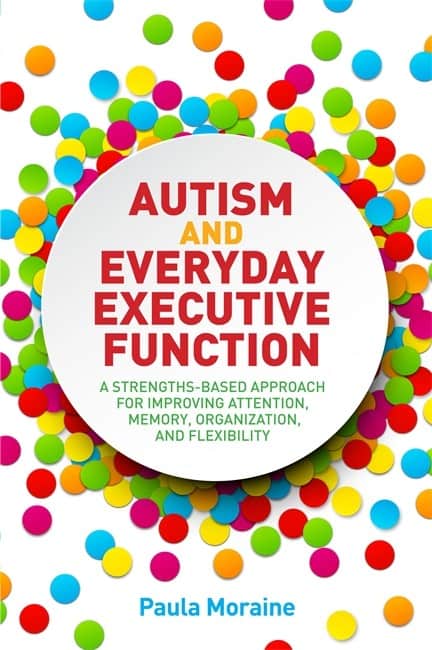
Outlining eight ‘Autism Access Points’, this book is a helpful guide to understanding, accessing and strengthening executive function skills in individuals with Autism Spectrum Disorder (ASD). Supportive and user-friendly, the ideas in this book provide a roadmap to developing essential organisational and planning skills.
$65.95
4 in stock
Autism and Everyday Executive Function
Check out my other Podcast on Why Schedules can Help Establish Routines:
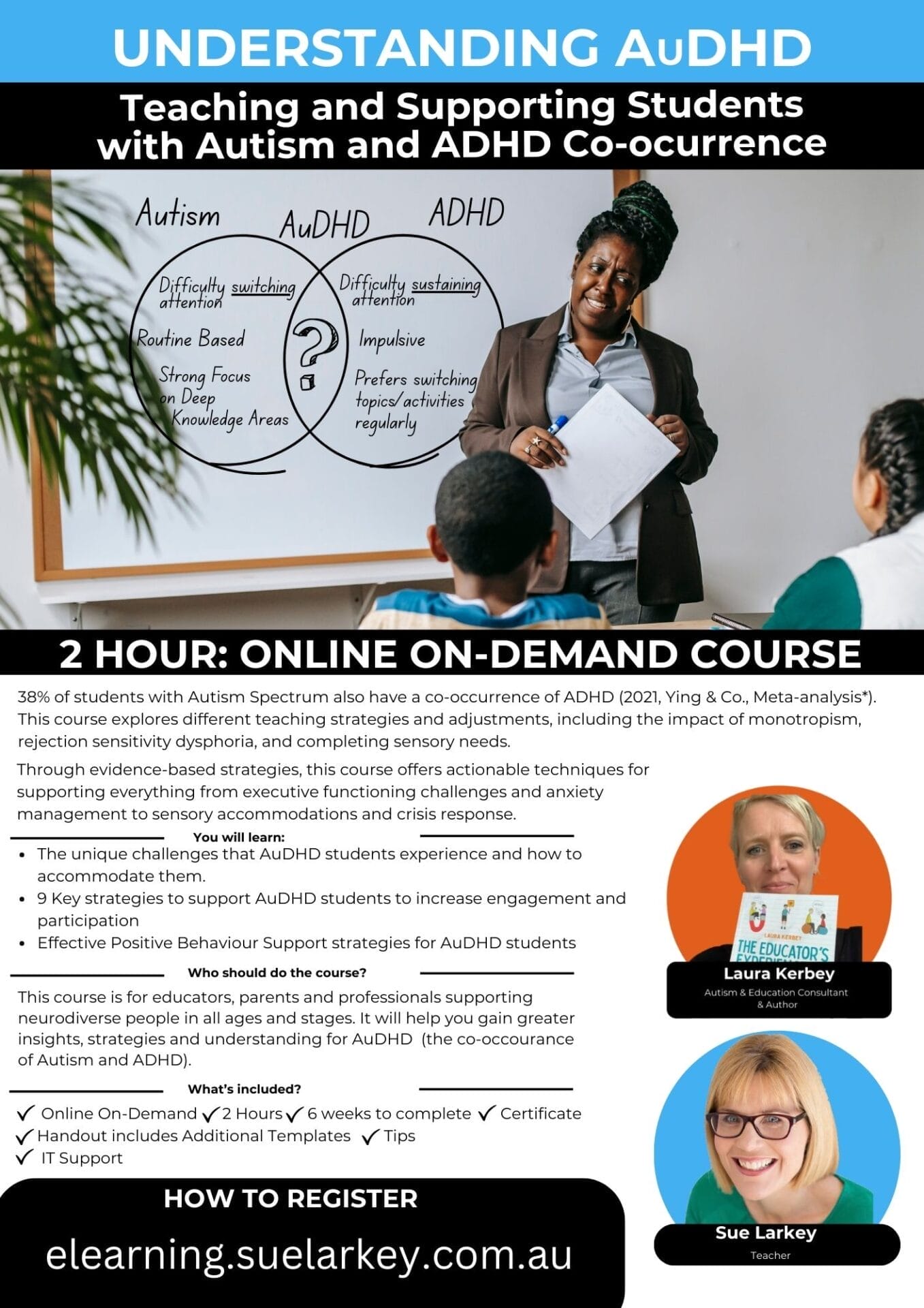
UNDERSTANDING AuDHD: Teaching & Supporting Students with Autism and ADHD Co-occurrence
✅ 2 Hours, 8 Lessons
✅ 6 Weeks to Complete
✅ Certificate of Completion
✅ Lesson Transcripts
 2 Hours
 Certificate
$149



 Sorry we no longer ship items outside Australia. Please consider the digital versions of Sue’s Books –