Understand OCD and autism with practical support strategies for educators
ocd AUTISM Support

Discussed in this Podcast:
✅ Wait Before Responding: Dean shared that even a five or ten minute pause before doing a compulsion can weaken the cycle. I loved that this is not about going cold turkey, and Dean stressed that we work with the young person, not against them.
✅ Ask Why: Starting a conversation about why a ritual is happening was the first step I took from Dean. He explained that repetition in autistic people often brings joy, safety and regulation, while OCD rituals bring no joy and happen out of fear of what will happen if they are not done.
✅ Name The Faulty Alarm: Dean suggested framing OCD as a faulty alarm system, and I found that reassuring for the young people I have taught. His point was that being told you are not safe does not mean you are not, and skipping the compulsion shows the nervous system that you are.
✅ Skip The Debate: Dean explained that arguing with OCD, Googling the worry or hunting for a memory to disprove it only feeds the cycle. The approach we talked about is accepting the uncertainty, because OCD does not know and neither does the person.
✅ Stop Feeding Reassurance: Where repeated questions come from terror, Dean said that giving the same answer again and again fuels the distress. His alternative was to acknowledge what the child is experiencing and offer to sit with them until it feels easier.
✅ Keep Joyful Repetition: Repetition that comes from joy should be encouraged, and Dean was clear about that. I pointed listeners back to my Autistic Joy episode, because seeing the difference is what stops us treating every ritual as a problem.
✅ Limit The Repeats: Dean offered a simple line for checking and washing: once is the task, and repeating it over and over is the OCD. Working with the young person to limit how many times they do it was his suggestion, and I found it easy to picture in a busy classroom.
✅ Stay Engaged: Dean explained that during an OCD flare-up, hiding away tells the nervous system something is wrong. I raised the idea of a half day at school and downtime at home rather than staying in the bedroom, and Dean made a point of saying this applies to OCD only, not to autistic burnout.
✅ Photo Diary Wins: Photos and videos of a child getting into class became my way of recording successes, especially for students who cannot read. Dean had suggested keeping a diary of wins, and I added the visual version so children can look back and celebrate them.
✅ Notice And Build Trust: As educators, I encouraged us to be mindful that we do not know what battle a child is having with OCD that day. A change in a look or posture can tell us something is happening, and building a trusting relationship makes support possible.
ocd posters

ocd tip sheet pack

OCD in The Classroom: Understanding, Recognising & Supporting Students with OCD and Autism
✅ 2 Hours, 6 Lessons
✅ 6 Weeks to Complete
🎁 Bonus 6 Months Access
✅ Certificate of Completion
✅ Lesson Transcripts
Usually $149
START NOW FOR $79 (Save $70)

recommended courses

Pathological Demand Avoidance (PDA) in the Classroom: Understanding and Teaching Strategies for Educators

Executive Functioning Training
Educators Guide to Executive Functioning – Why it impacts Learning and Behaviour & What to do
more podcasts with dean beadle

Episode 275:
Executive Functioning Skills for Neurodiverse Students: “Beyond just try harder” with guest Dean Beadle

Episode 292:
Dean Beadle shares his lived experience of embracing his Autistic Identity and finding Autistic Joy

Episode 256:
Fostering Self-Advocacy: Dean Beadle on Autistic Identity in Education
RECOMMENDED PRODUCTS
-

Asperger’s Syndrome
$45.95 -

Helping Kids and Teens With ADHD in School
$59.95 -

The Complete Guide To Asperger’s Syndrome
$63.95 -

Exploring Feelings: Cognitive Behaviour Therapy to Manage Anxiety
$38.95 -

Exploring Feelings: Cognitive Behaviour Therapy to Manage Anger
$46.95 -

Time Timer – 20cm Medium
$65.00 -

Time Timer – 7.6cm Small
$50.00 -
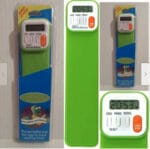
Portable Schedule with Digital Timer
$24.95 -

Can I Tell You About Asperger Syndrome?
$31.95 -

Exploring Feelings: For Young Children with High-Functioning Autism or Aspergers Disorder
$59.95 -

The Red Beast
$45.95 -

Behaviour Solutions for the Inclusive Classroom
$29.95 -

From Anxiety to Meltdown
$48.95 -

The Panicosaurus
$45.95 -

Aspergirls
$45.95 -

Time Timer PLUS
$80.00 -
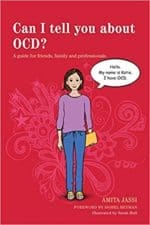
Can I Tell You About OCD?
$31.95 -

The Disappointment Dragon
$45.95 -

People with Autism Behaving Badly
$45.95 -

CBT to Help Young People with Aspergers to Understand and Express Affection
$66.95



 Sorry we no longer ship items outside Australia. Please consider the digital versions of Sue’s Books –