What three families learned about medication for AS and ADHD
neurodiverse and medication strategies
I am not a Dr or Specialist, but as a teacher/educator, it is important we understand different medications.
In this Podcast on Medicating and Neurodiversity:
✅ Keep a voice-memo medication diary. Skip the written diary. A 30-second voice memo to yourself (or a text to the parent) captures behaviour changes that slow-boil out of memory. “It’s like the frog in water.”
✅ Observe across the whole day, not just class time. Girls especially mask at school. Ask parents about home regulation time, after-school meltdowns and weekend behaviour before drawing conclusions.
✅ Support blood-pressure monitoring at school. Pediatricians may request daily BP checks when starting stimulants. Agree a discreet time (e.g. 11am sick bay) and record the readings for the next appointment.
✅ Use relatable medical analogies with hesitant parents. “If she had leukemia, would you give her medication?” or “Kids get their asthma spray, why not this?” reframes stigma into relief.
✅ Watch for the zombie or lost-humour signal. If the child feels flat, loses their sense of humour or seems “not quite themselves,” flag it. Dosage may need reviewing, not the child.
✅ Respect teen privacy when delivering medication. No classroom drop-offs. No mum knocking on the door. Arrange collection at reception or with the learning support teacher, quietly.
✅ Flag Year 2 as a transition point. Executive function demands spike from Year 2, with more inferred meaning, less direct instruction and longer on-task expectations. ADHD often surfaces here, even when kinder and Year 1 looked fine.
✅ Gather multi-source observation letters. Before a medication review, collect input from school, psychologist, dance teacher, music therapist and anyone else who sees the child at a different point of their day.
✅ Treat behaviour as communication. A child sent to the principal daily is communicating. That is data for the medication conversation, not a character flaw.
Medication! This is always such a hard topic for EVERYONE. So I asked my Facebook community to share their actual experiences of medication; asking what medication, what worked and it long it took to work. I know this is a HARD topic but would love people to share and support others. As a teacher I have seen both the positives and negatives for kids and how it tricky it is to find the right medication for each child.
shared experiences FROM MY WONDERFUL FACEBOOK COMMUNITY about Medicating and Neurodiversity


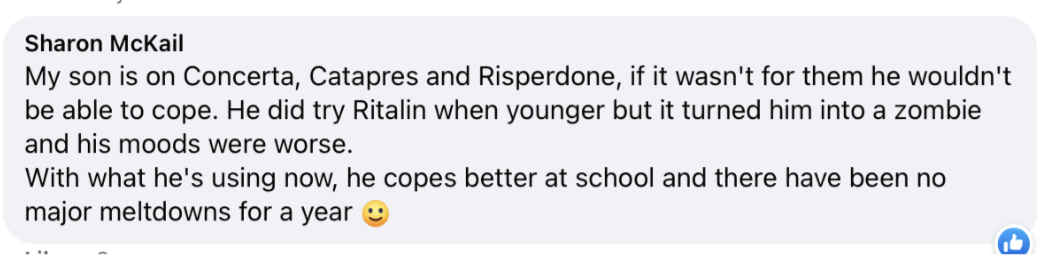


further information on the parents who kindly share their experiences in this podcast
Naomi Bryce from Wagga Wagga NSW. Mother of Campbell 15 yrs and Gabrielle 13 yrs. Primary Teaching for 21 years, most recently in the areas of K-2. This year taking on a new adventure teaching a newly established Autism class within her school.
Nicki Powell is a parent and educator. She now helps other parent/carers navigate NDIS, Transition and a range of other supports. More info; https://www.nickipowell.com.au/
Chris O’Leary is a fellow parent and over the past 14 years, she has raised her children and step-children (now adolescents) who have a diagnosis of autism and ADHD, supporting them with their social challenges. She first discovered PEERS® when her son asked for help with learning social skills and they completed the PEERS® course, with Chris as his social skills coach. More info; Socialskillsaustralia.com.au
Looking for more practical tips and ideas? Best Selling Book with over 500 Strategies for School and Home
Pages 129-130 referenced in this podcast

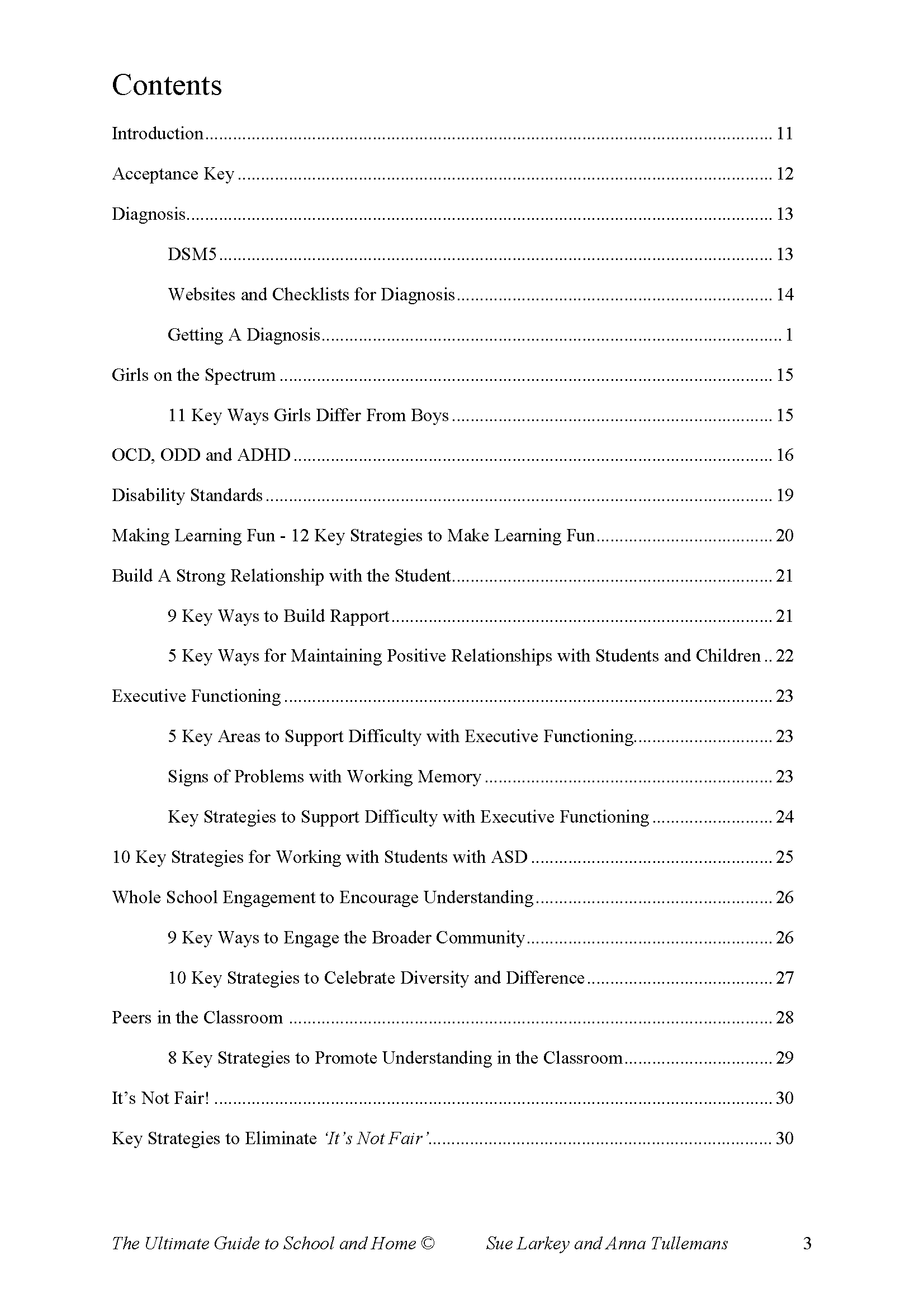
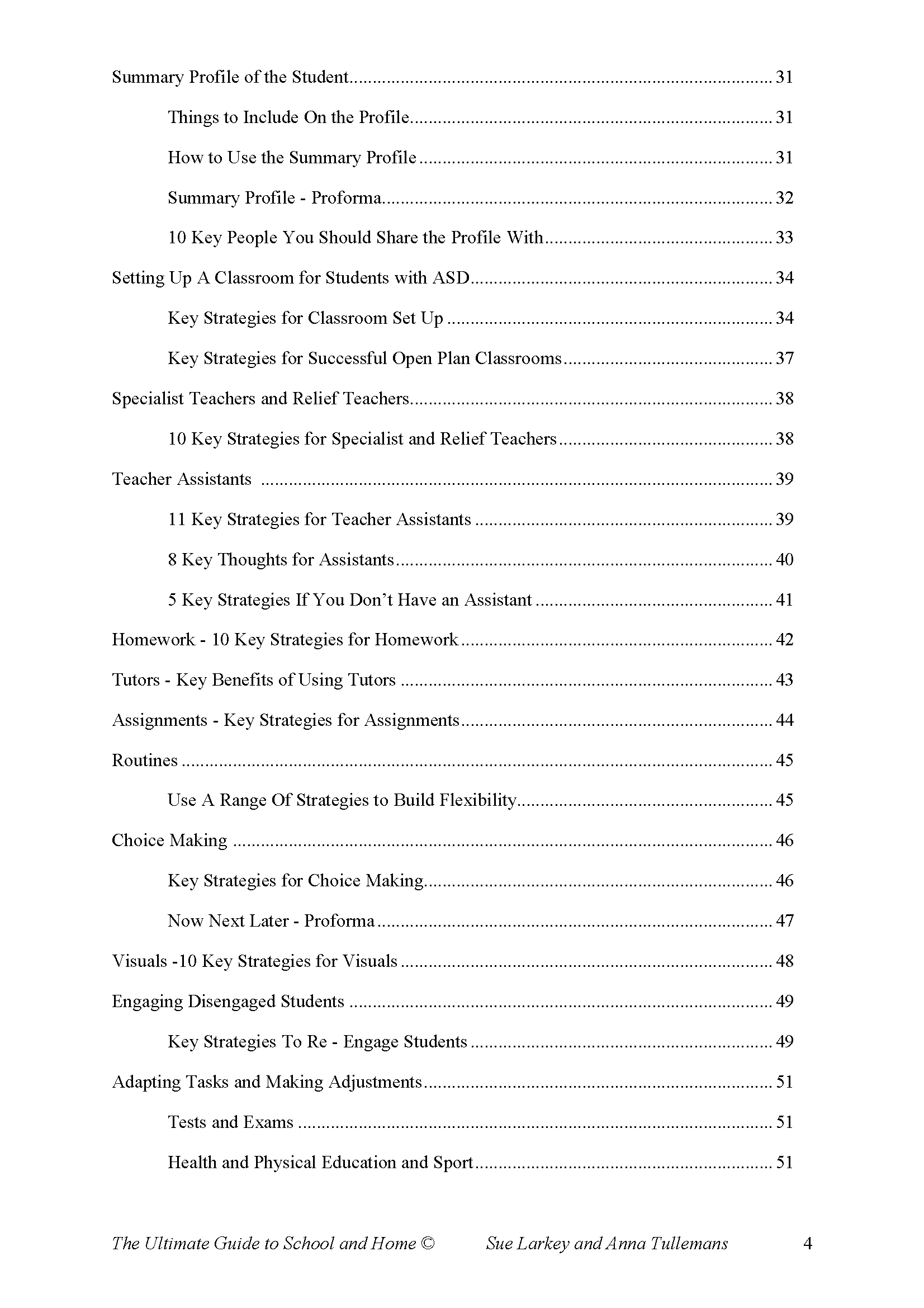
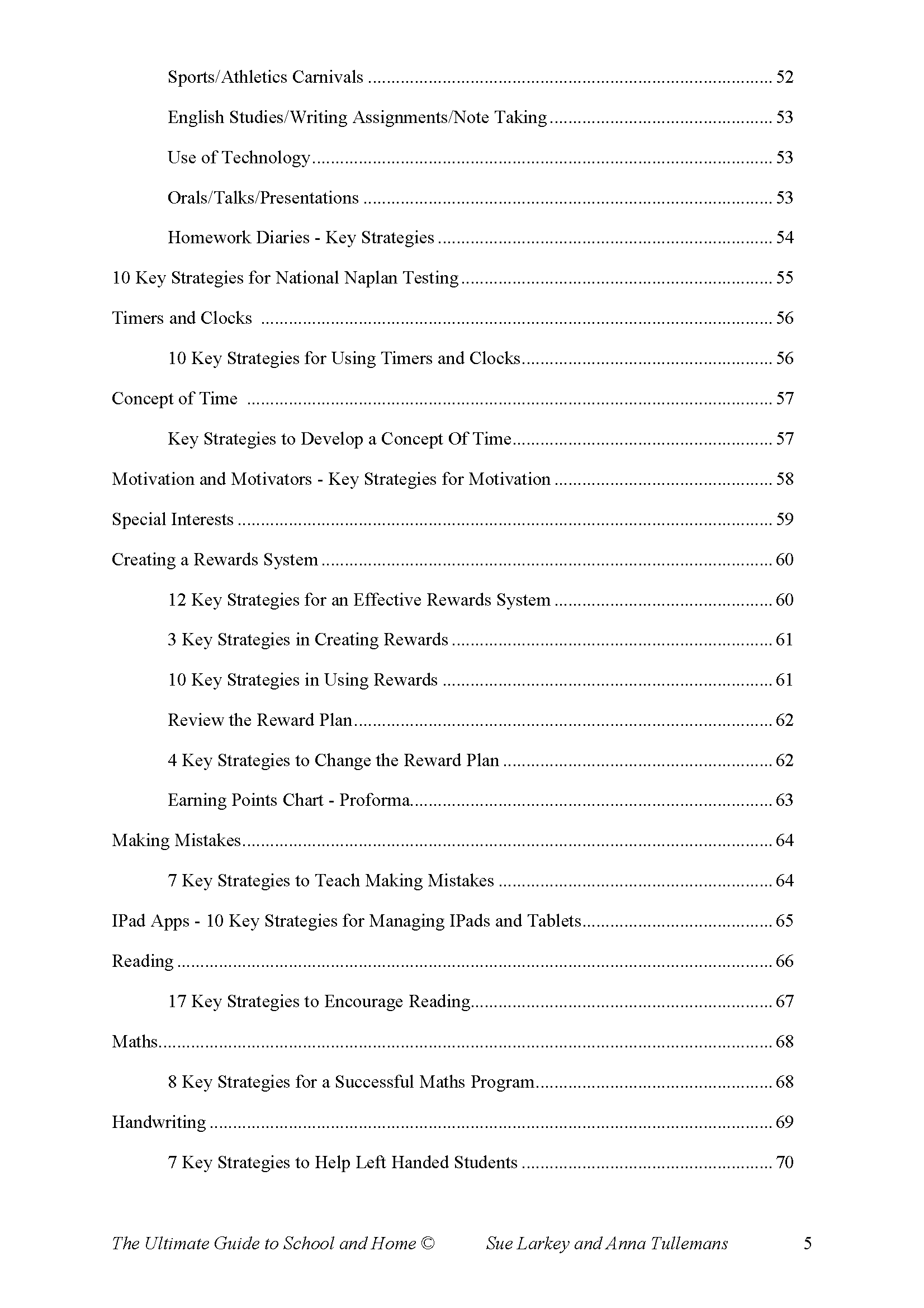
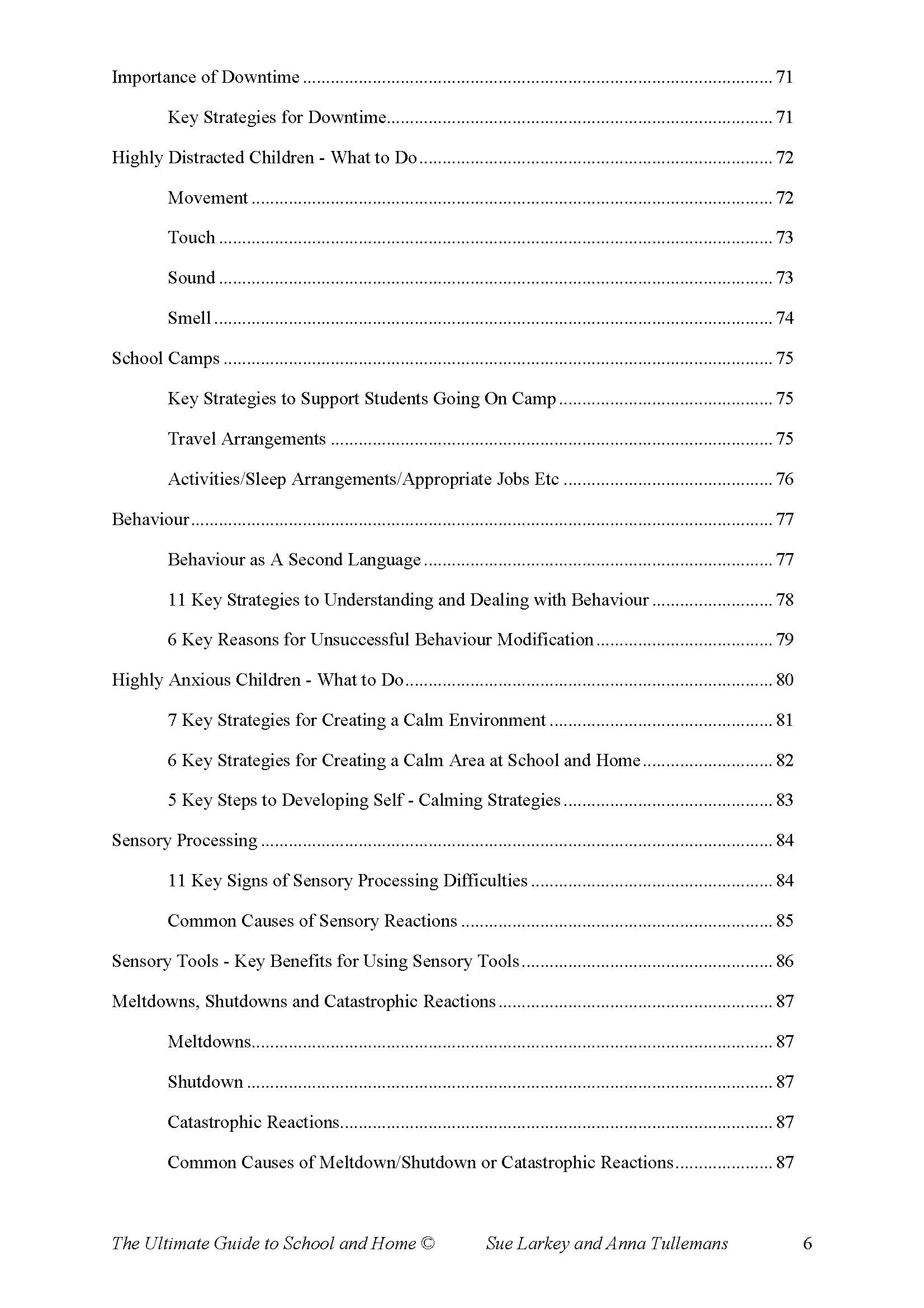
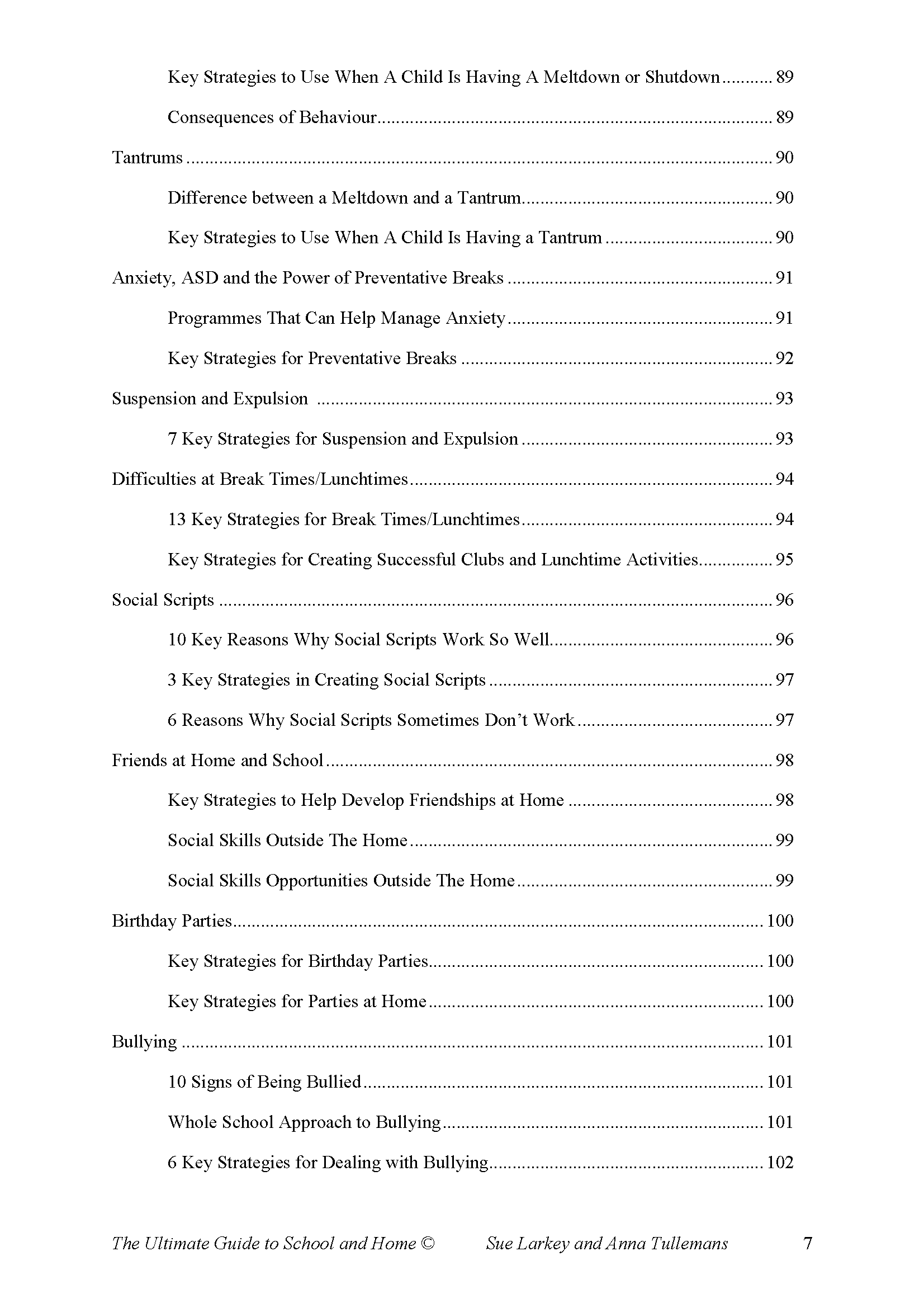
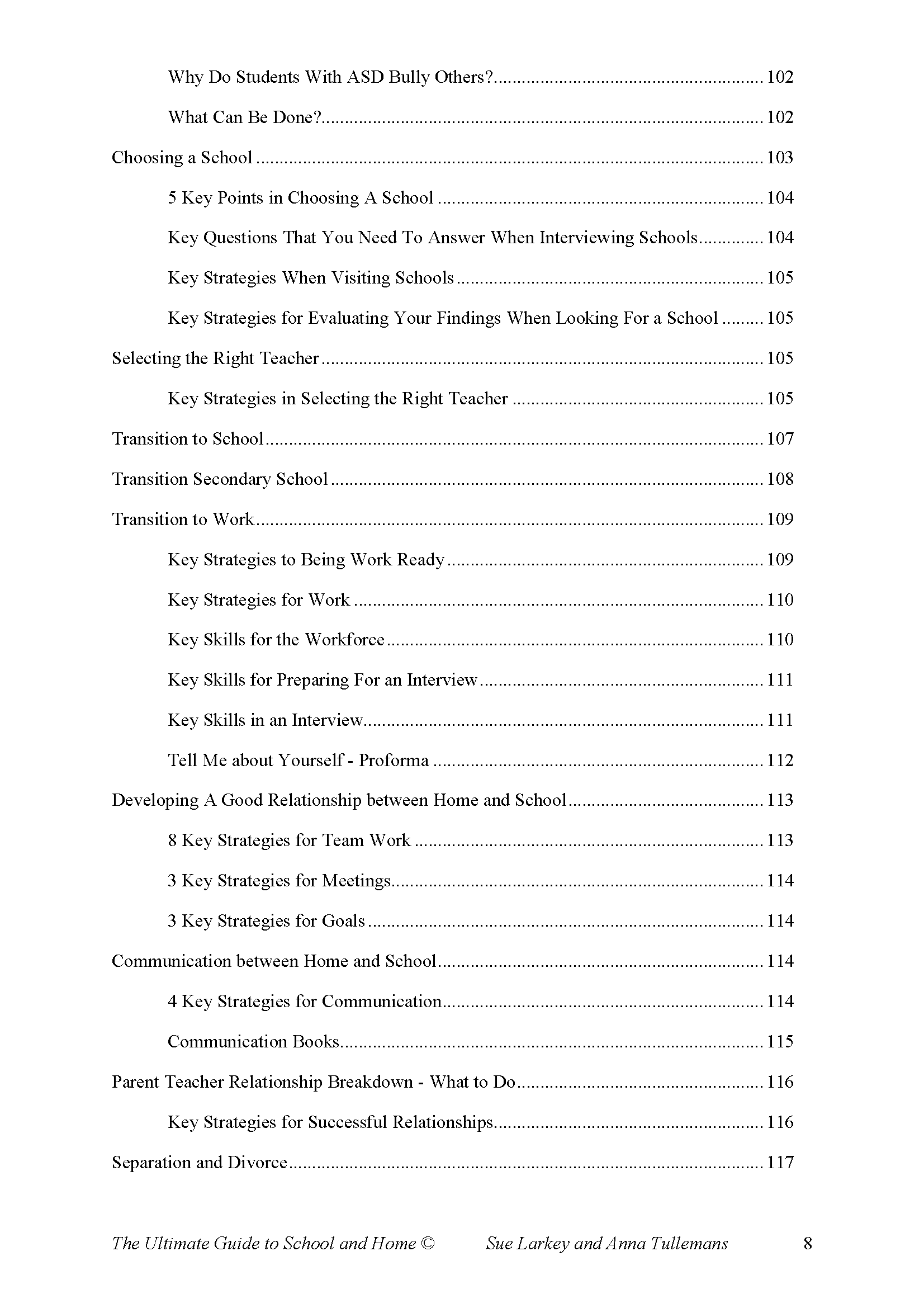
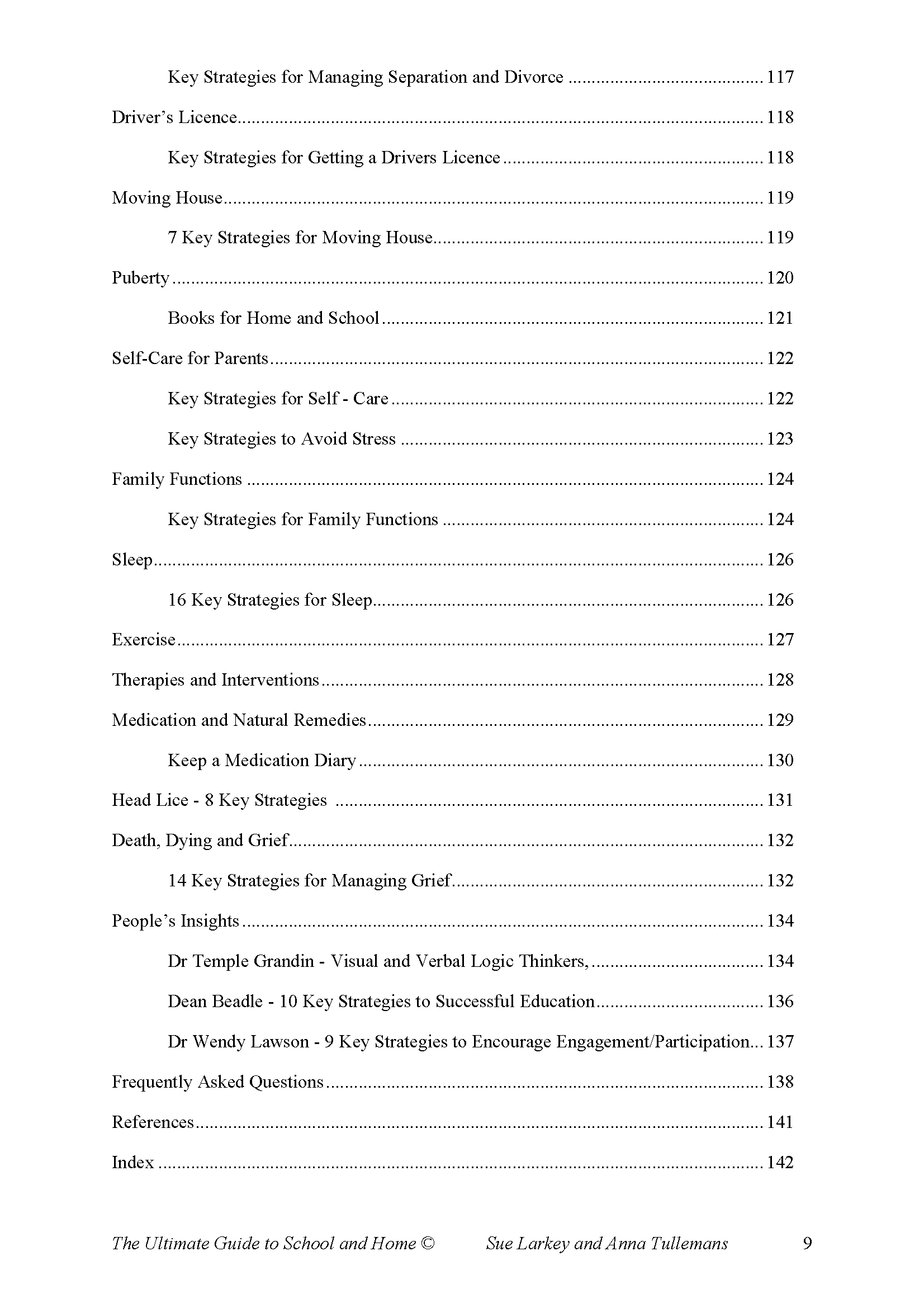
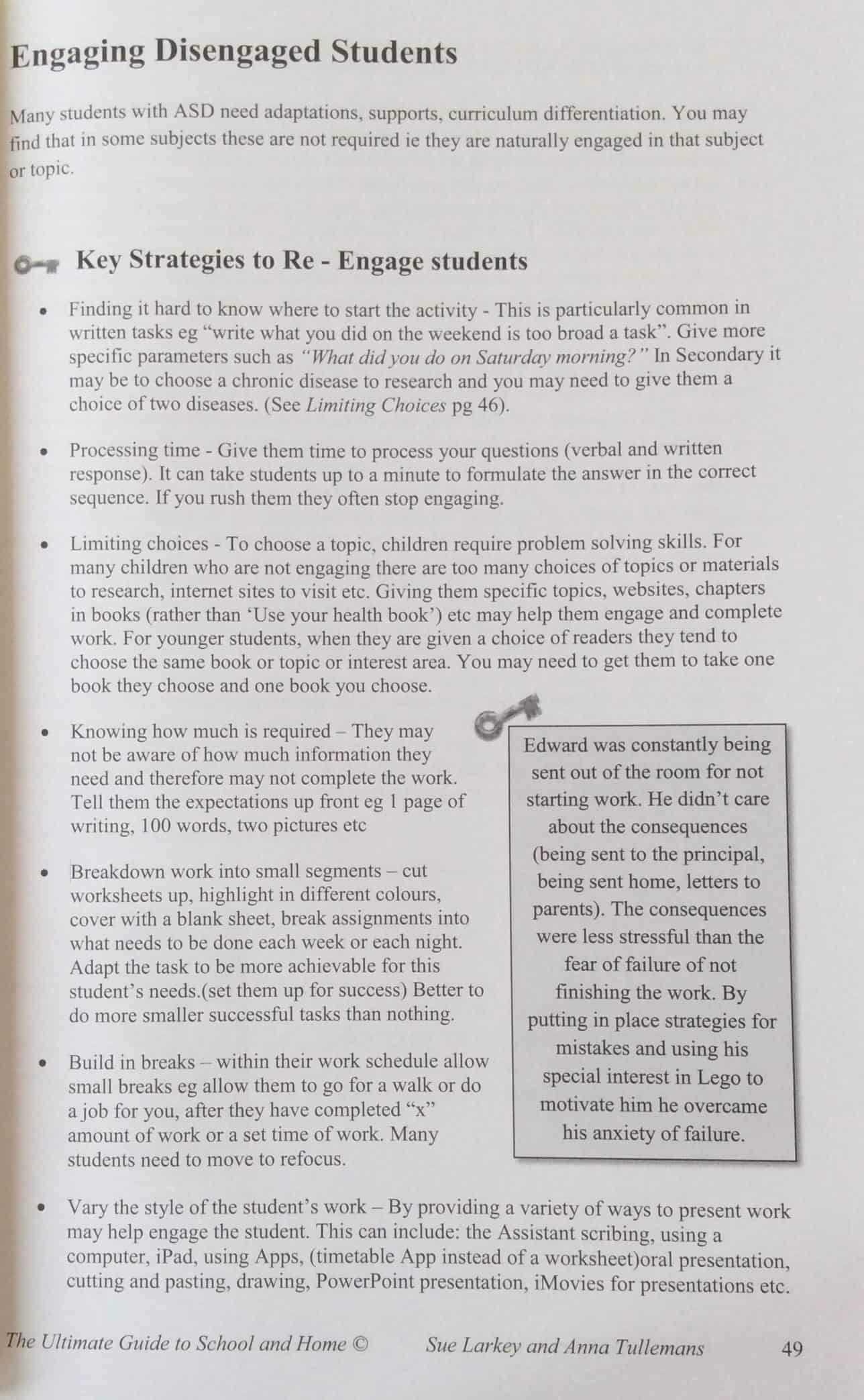
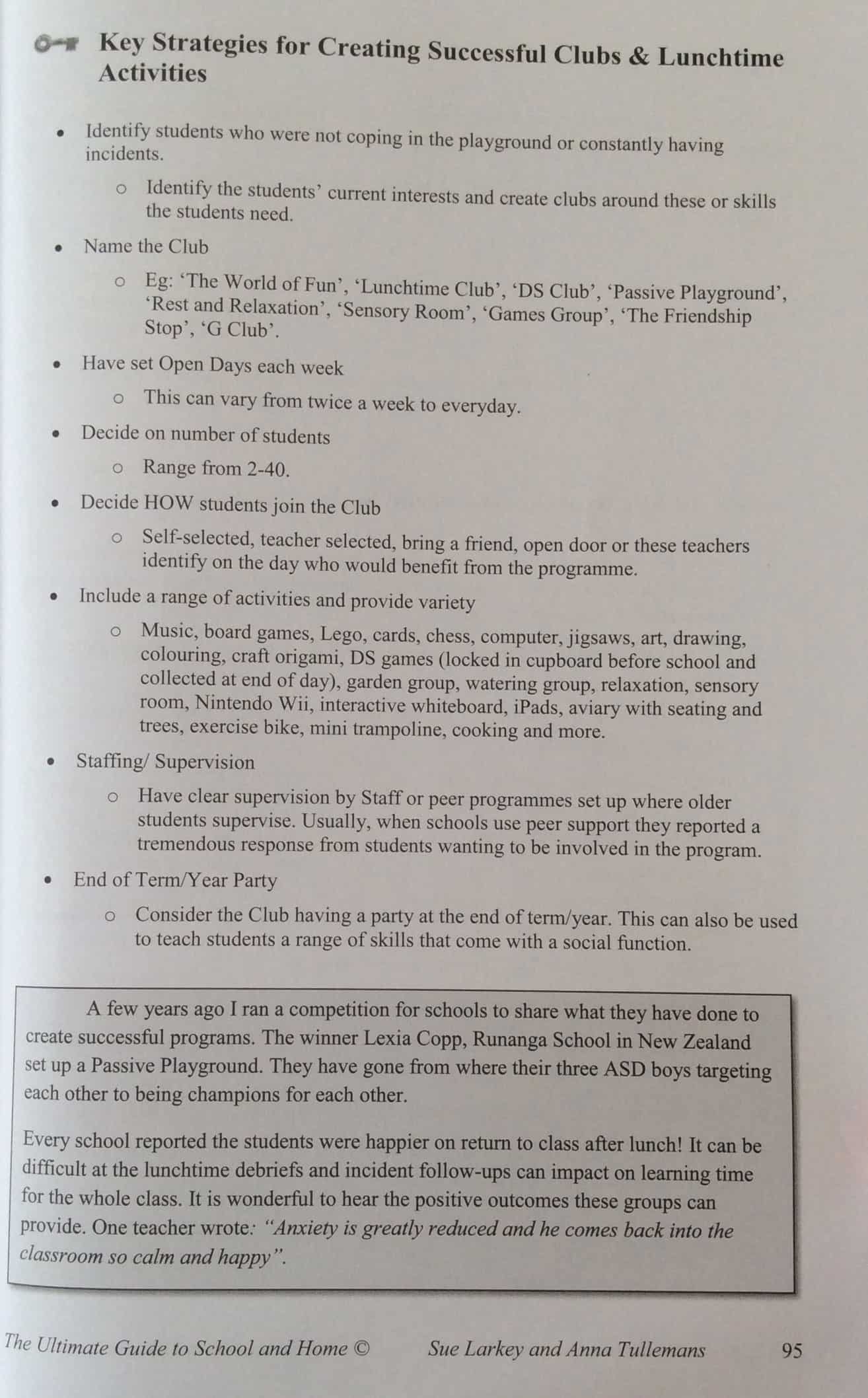
The Ultimate Guide to School and Home
| by Sue Larkey and Anna Tullemans | This book provides key strategies for all ages and stages. It offers over 500 practical strategies and timer savers for school and home from engaging disengaged students, what to do if you don’t have a teacher assistant to considerations for setting up a classroom for teachers; and from developing friends, to moving house and choosing a school for families. It is the ultimate guide for teachers, parents and all professionals supporting children with autism spectrum disorder, including Aspergers, ADD, ADHD, ODD and other developmental delays.
Content pages below.
$44.95
46 in stock
RECOMMENDED COURSES
Understanding Autism Spectrum Disorder: Knowledge to Improve Student Learning, Participation and Outcomes

Developing Early Childhood Approaches for Children with Additional Needs
RECOMMENDED PODCASTS
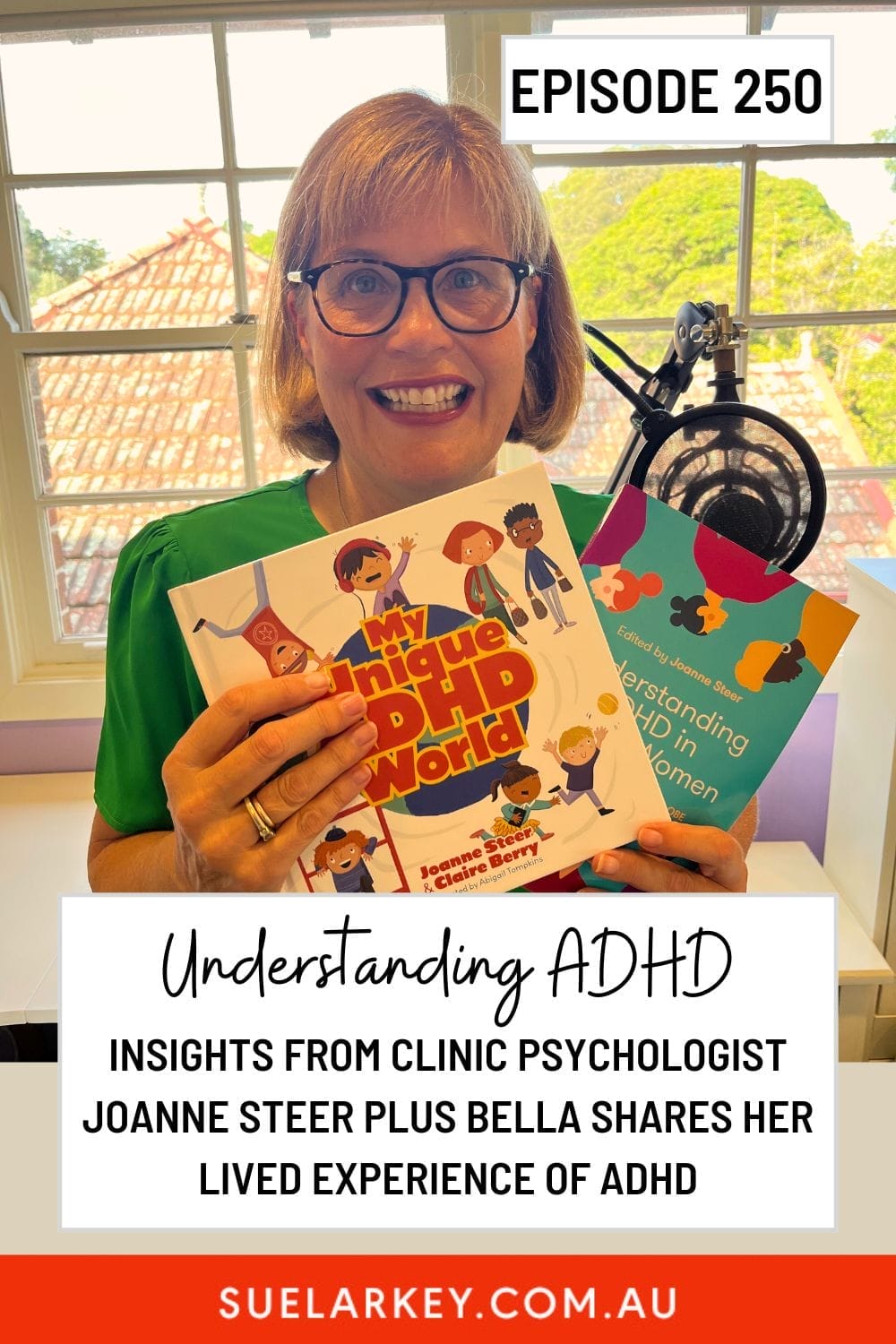
Episode 250:
Understanding ADHD: Insights from Clinical Psychologist Joanne Steer plus Bella shares her Lived Experience of ADHD
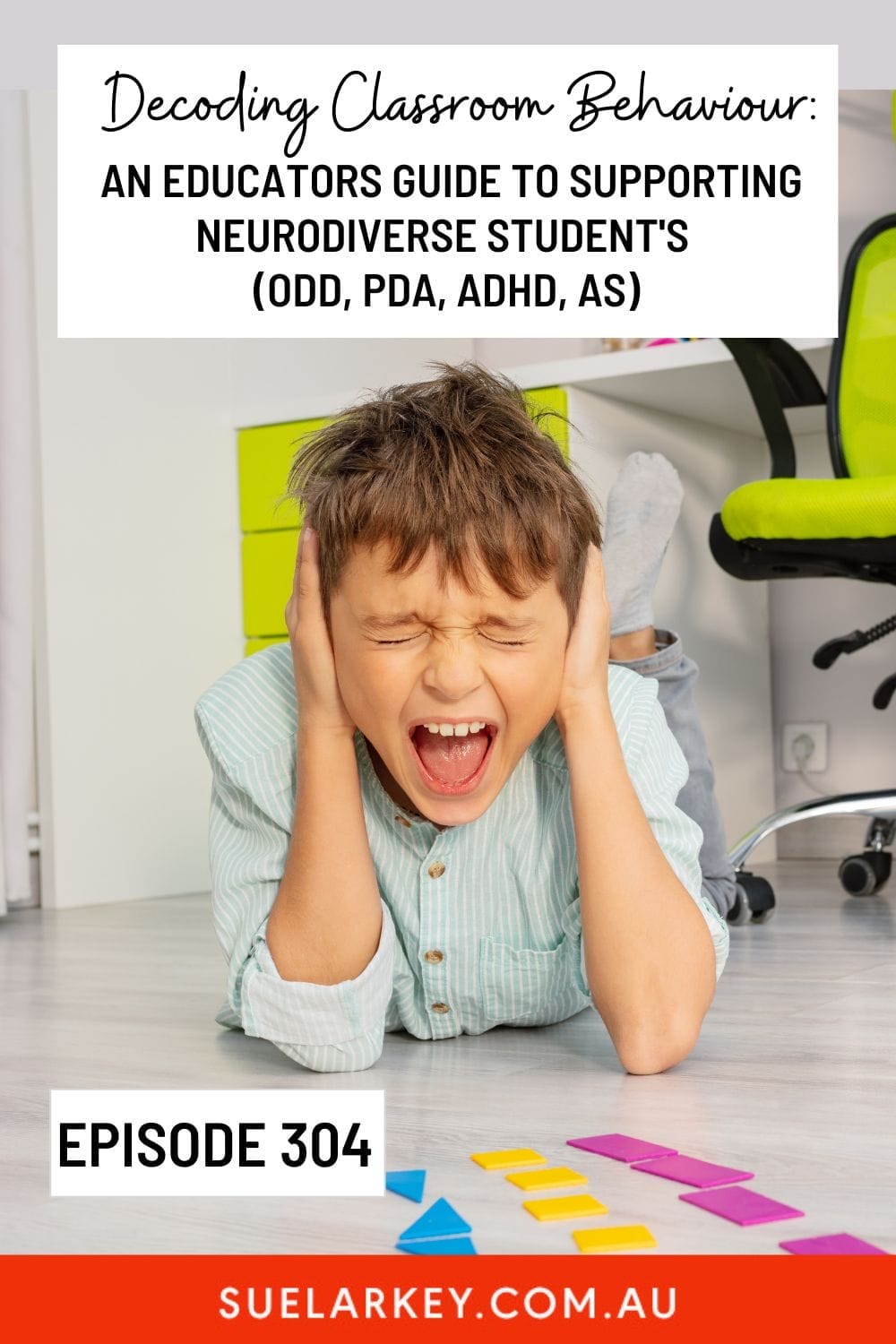
Episode 304:
Decoding Classroom Behaviour: An Educators Guide to Supporting Neurodiverse Students (AS, ODD, PDA, ADHD)

Episode 292:
Dean Beadle shares his lived experience of embracing his Autistic Identity and finding Autistic Joy

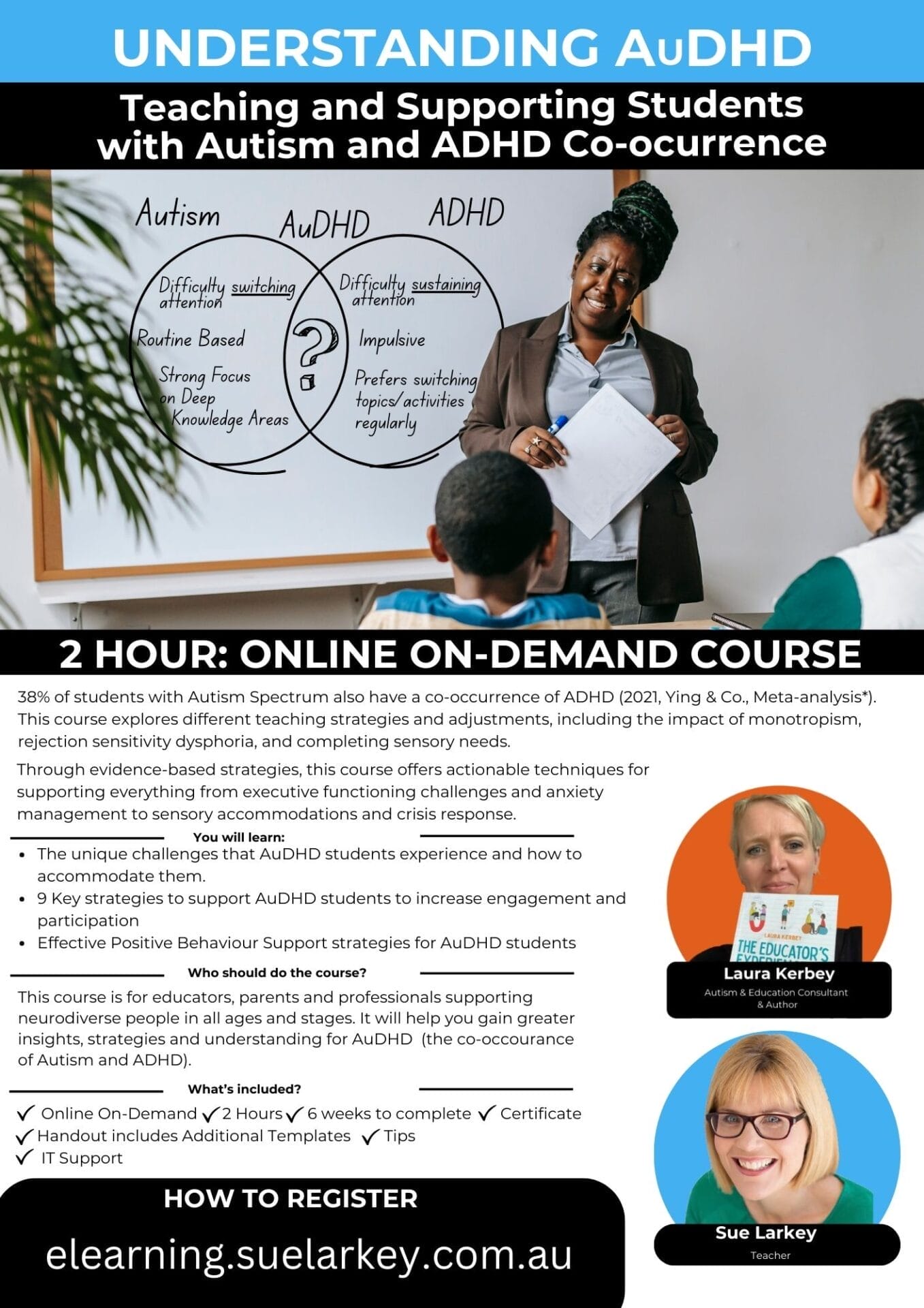
UNDERSTANDING AuDHD: Teaching & Supporting Students with Autism and ADHD Co-occurrence
✅ 2 Hours, 8 Lessons
✅ 6 Weeks to Complete
✅ Certificate of Completion
✅ Lesson Transcripts
 2 Hours
 Certificate
$149
Books Authored by Sue Larkey
-

The Ultimate Guide to School and Home
$44.95 -
Developing Social Skills
$39.95 -
Teacher Assistants Big Red Book of Ideas
$39.95 -

Teacher Assistants Big Blue Book of Ideas
$39.95 -
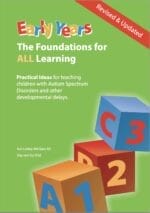
The Early Years: The Foundations For All Learning
$39.95 -
Sale!

The Essential Guide to Secondary School
Original price was: $44.95.$34.95Current price is: $34.95. -
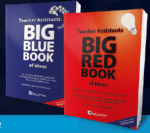
RED and BLUE BOOK BUNDLE
$75.00 -

Tips for Toileting
$29.95 -

Sue Larkey’s MEGA BOOK of Timesavers, Tips & Strategies for Busy and Complex Classrooms
$49.95 -

Practical Sensory Programmes
$71.95 -
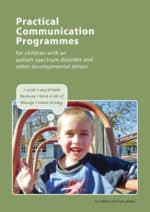
Practical Communication Programmes
$44.95 -

Making it a Success
$47.95 -
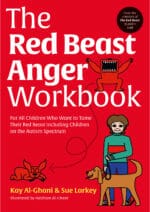
Red Beast Anger Workbook
$48.95 -
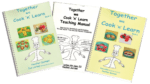
Both Cook Books and Teaching Manual
$124.95 -
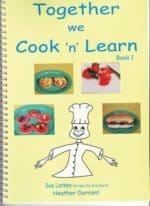
Photo Cook Book 1
$44.95 -

A Manual To Provide Support and Care for Adults with Autism Spectrum
$39.95 -

Practical Mathematics
$44.95 -
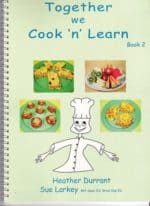
Photo Cook Book 2
$44.95 -

Cookbook 1 and Teaching Manual
$79.95 -
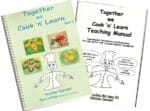
Cookbook 2 and Teaching Manual
$79.95




 Sorry we no longer ship items outside Australia. Please consider the digital versions of Sue’s Books –