Conversations with Sue Larkey
With Guest Eliza Fricker
Understanding PDA: Why Common Strategies Don’t Work for Every Child
Pathological Demand Avoidance Strategies
Discussed in this episode:
✅ The Tomorrow Box Strategy – Create a physical “Tomorrow Box” on your desk where students can place work they’re not ready to complete today. This gives anxious children an “out” without conflict and builds trust.
✅ Be a GPS, Not a Reactor – Practice maintaining a calm, monotone voice regardless of student behavior—like a GPS that stays calm even when you’re frustrated. Consider using a sensory tool (like blue-tac) in your hand to help you stay regulated.
✅ Consistency Over Routine – Instead of rigid schedules and visual timetables, focus on being consistent in how you approach every situation. Your calm, predictable response matters more than a planned routine.
✅ Allow Doodling During Lessons – Recognize that drawing and doodling can help some students focus and process information. As Eliza explains, it “quietens the external” and helps maintain concentration.
✅ Use Humor as a Connection Tool – Look for opportunities to use humor and playfulness—like Laura’s “Jabba the Hutt poo” story. Laughter can break through anxiety and build relationships faster than worksheets.
✅ Let Students Choose Task Order – Give students genuine choices about what order they complete tasks. This reduces the feeling of being controlled and lowers anxiety.
✅ Play Video Games or Watch Students Play – Engage with students’ interests, including screen-based ones. Sitting side-by-side (like driving a car) allows for less intense interaction while building connection.
✅ Teach Through Interests, Not Just Worksheets – “You can teach everything through cooking or gardening” – use student interests as pathways to learning instead of forcing traditional worksheet-based instruction.
✅ Keep the Same Staff for Multiple Years – When possible, allow students to stay with trusted adults longer. It can take six months just to see a child’s sense of humor—having 18 months together allows for deeper progress.
✅ Recognize and Validate Their Bravery – Acknowledge that these children are incredibly brave just for showing up. As Eliza says, “If I had PDA, I promise you, I’d be under my duvet all day.”
For more tips, check out the ‘PDA and ODD Hub‘ for more resources you can use in the classroom

Pathological Demand Avoidance (PDA) Training:
Understanding and Teaching Strategies for Educators
✅ 2 Hours, 8 Lessons
✅ 6 Weeks to Complete
✅ Certificate of Completion
✅ Lesson Transcripts
 2 Hours
 2 Hours
 Certificate

PODCAST RECOMMENDATIONS
EPISODE 304:
Decoding Classroom Behaviour: An Educators Guide to Supporting Neurodiverse Students (AS, ODD, PDA, ADHD)
EPISODE 306:
Do I have a child with ODD & PDA? What is it and What to do
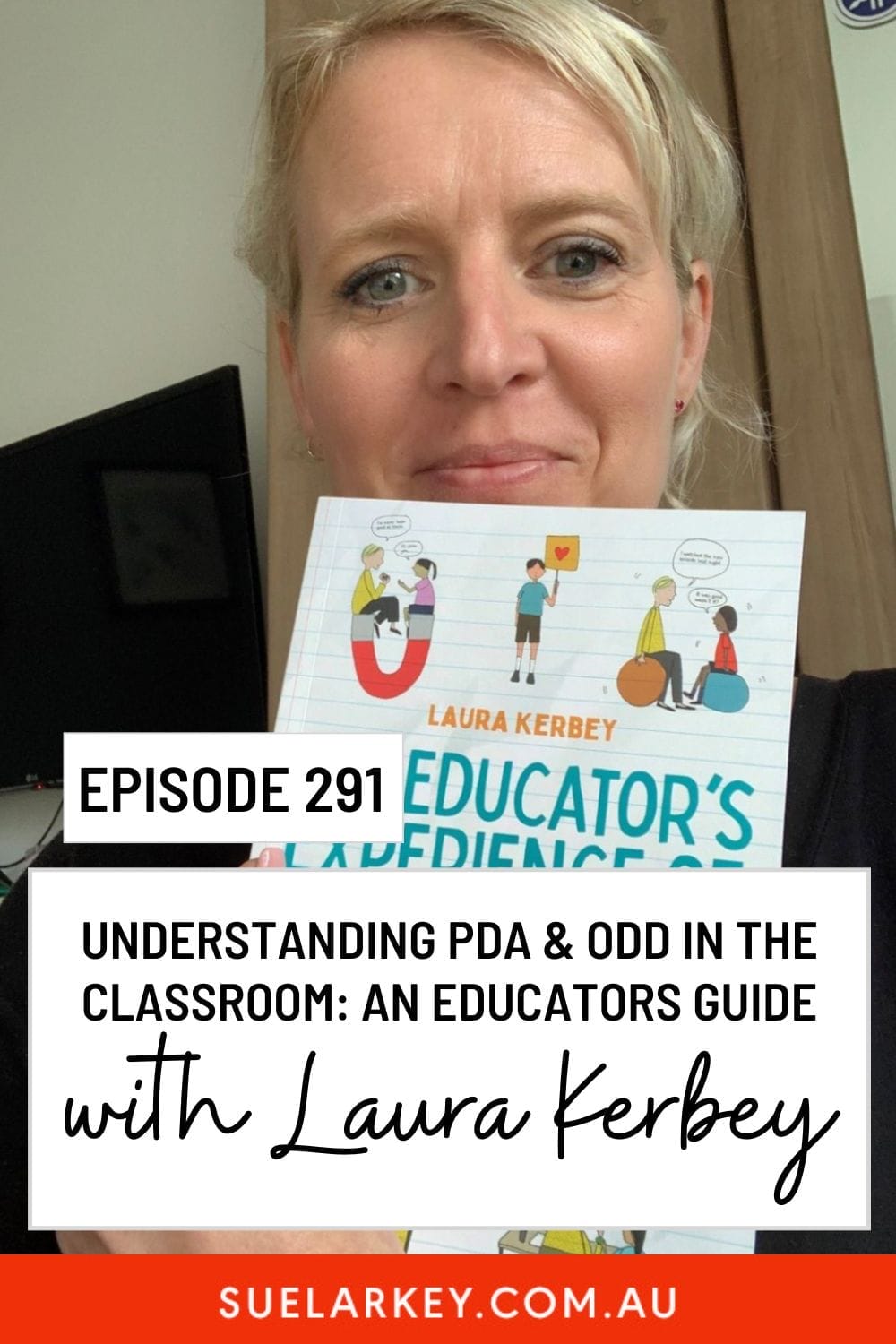
EPISODE 291:
Understanding PDA & ODD in the Classroom: An Educators Guide
BOOKS ABOUT PDA
-

The Red Beast
$45.95 -
Super Shamlal – Living and Learning with Pathological Demand Avoidance
$45.95 -

Collaborative Approaches To Learning For Pupils With PDA
$40.95 -
The Defiant Child: A Parent’s Guide to Oppositional Defiant Disorder
$30.95 -

Can I tell you about Pathological Demand Avoidance syndrome?
$31.95 -

Red Beast Anger Workbook
$48.95 -

Can’t Not Won’t. A Story about a child who couldn’t go to School
$42.95 -

The Educator’s Experience of Pathological Demand Avoidance An Illustrated Guide to Pathological Demand Avoidance and Learning
$45.95 -

The Teen’s Guide to PDA
$42.95 -

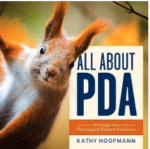
All About PDA
$37.95 -
The (Slightly Distracted) Woman’s Guide to Living with an Adult ADHD Diagnosis
$39.82 -

The Parents’ and Professionals’ Simple Guide to PDA
$39.00 -

The Kids’ Simple Guide to PDA
$36.00












 Sorry we no longer ship items outside Australia. Please consider the digital versions of Sue’s Books –