Supporting Neurodiverse Children in the Early Years – Mini-training and Ebook
Early Childhood Classroom Strategies (AS, ADHD, ODD & PDA)
Join Sue for an upcoming Live Virtual Workshop where you will learn Sue’s practical tips & strategies to make a difference.

Over 400 Early Child Educators told me their top 2 questions they wanted answered, and I used those to create these Tips & Strategies
What you will learn:
✅ Know what to look for in the early years. Watch whether the child shows interest, brings items to you, follows your gaze, engages in pretend play, and understands simple one-step instructions like “give the block to me” or “show me the dog.”
✅ Find the perfect moment to teach. Watch the child the way you’d wait for the perfect camera shot. One second too early or too late and you miss it. Teach when they’re calm, happy and regulated, not when they’re anxious or dysregulated.
✅ Teach the same skill three ways. Direct teaching (one-on-one, hand-over-hand), engineered situations (set up moments where the skill is needed, e.g. getting the child to point to the cup they want at snack), and incidental teaching (catching everyday opportunities as they pop up).
✅ Use backward training so they experience success. Do the whole puzzle except the last piece. Do up every Velcro except the last one. Line up every train except the last two. The child does the final step and feels the win.
✅ Build a communication-enriched environment. Use a clear lunchbox with a photo of the sandwich and apple on the lid. The child hands you each picture, you put the item in. That’s picture exchange communication in its simplest form.
✅ Put the preferred activity in the middle of your Now/Next/Later board. If trains are their favourite, don’t put trains in “later”. They’ll think it’s trains forever and meltdown when you pack them up. Trains go in “next”, so there’s something calm to move onto after.
✅ Be a GPS, not a commentator. Calm, monotone voice. Use only one or two more words than the child uses. Clear, concise instructions, one step at a time. The aim is that they understand, not that they look at you.
✅ Never insist on eye contact. Many people on the spectrum describe eye contact as painful. Look for other cues like body posture, face softening, or stimming that signals focus. A child looking at their fidget can still be listening.
✅ Know whether the child needs calming OR alerting sensory input. Some kids need rocking, soft music, chewing or stretching. Others are tired and lethargic and need alerting activities like monkey bars, throwing heavy things, and big body breaks. Consult the OT for the right tools.
✅ Toilet timing, not toilet training, and don’t wait for signs of readiness. By age 4 you’ve waited long enough. Skip potties and start with the toilet. Desensitise the child to the bathroom first: let them flush, put paper in, wash hands. There’s no such thing as oversharing when teaching toilet training.
Free Early Years Ebook-
Listen to me discuss this in the Podcast

Looking for a book to support and develop communication?
Check out Practical Communication Programmes
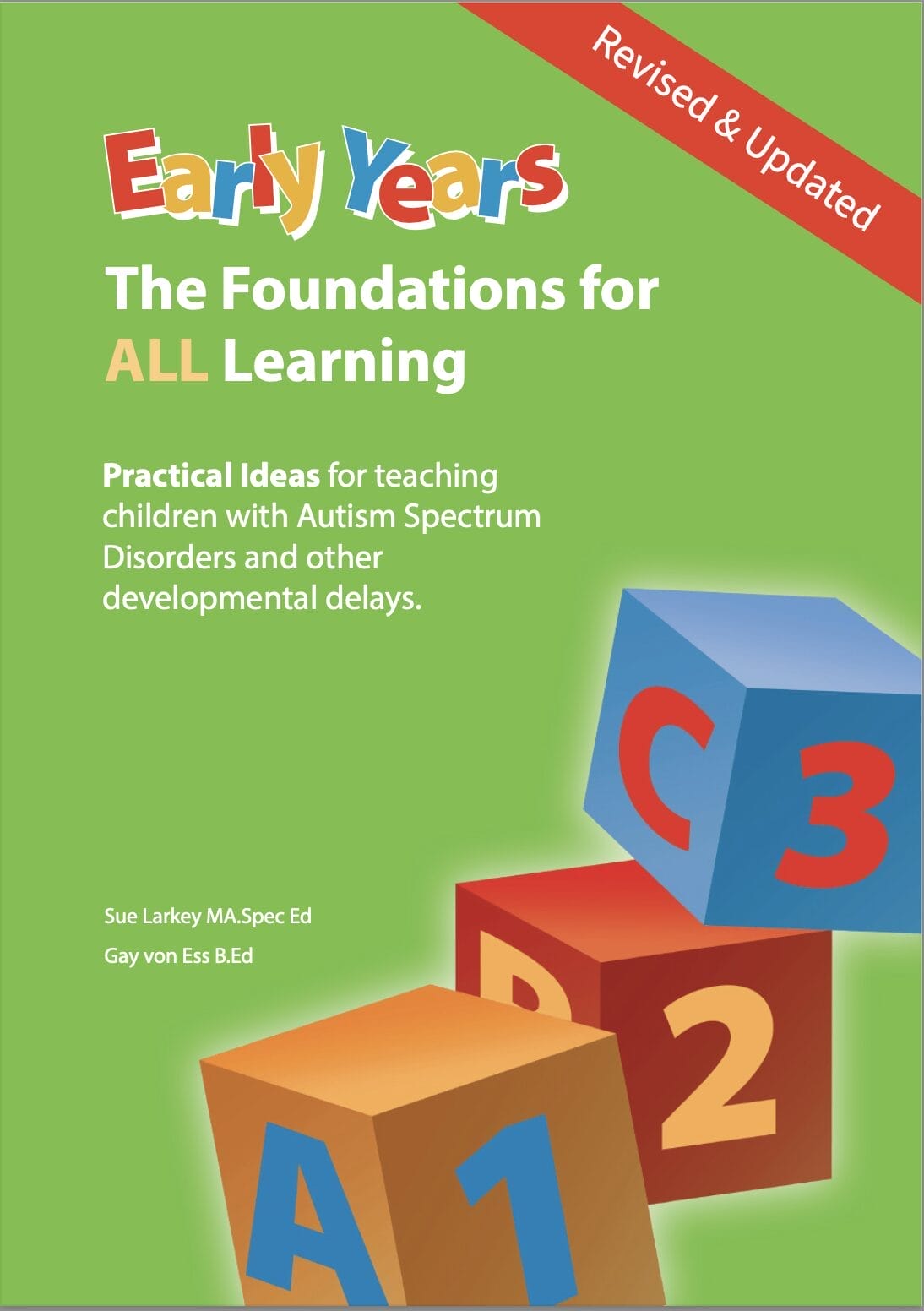
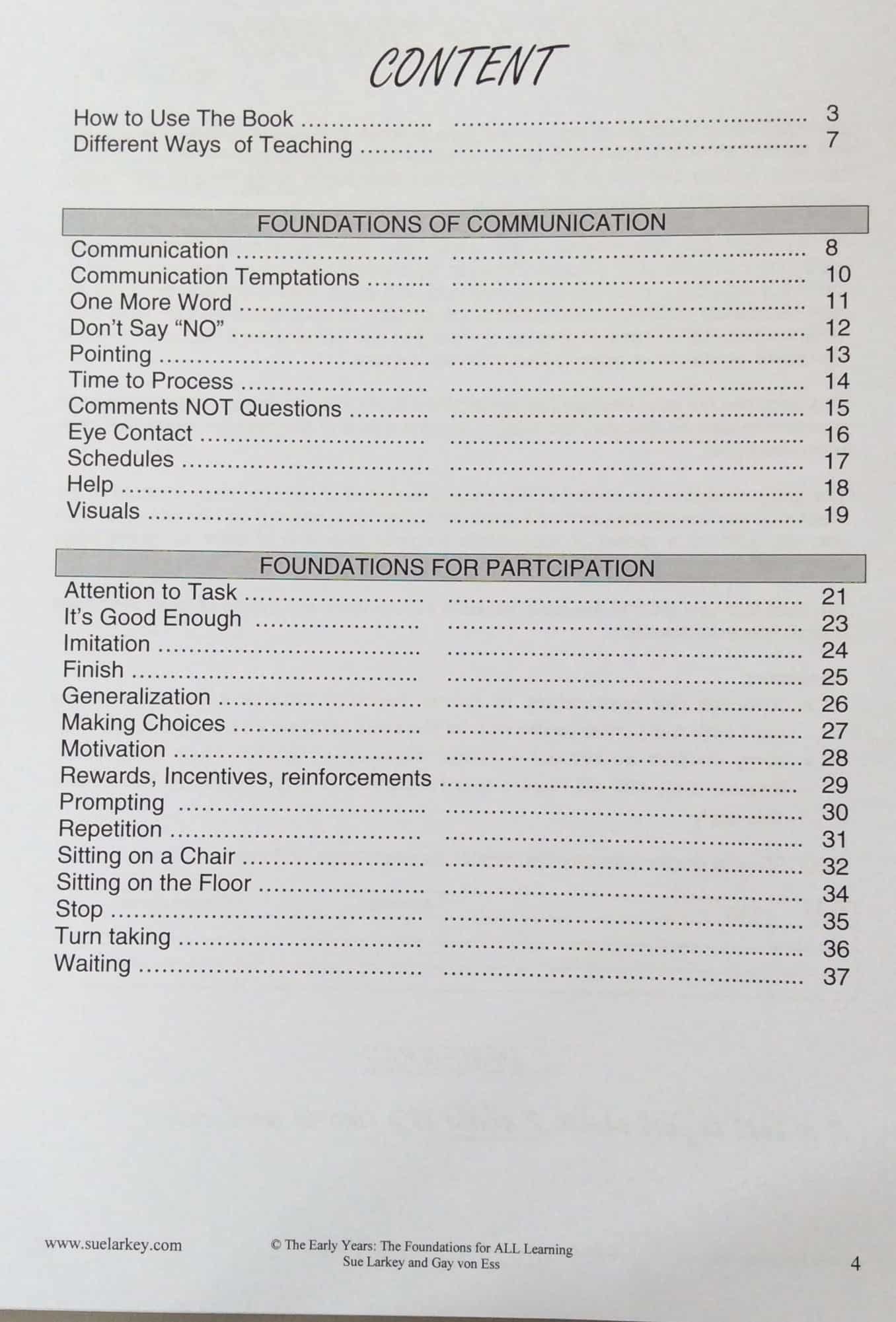
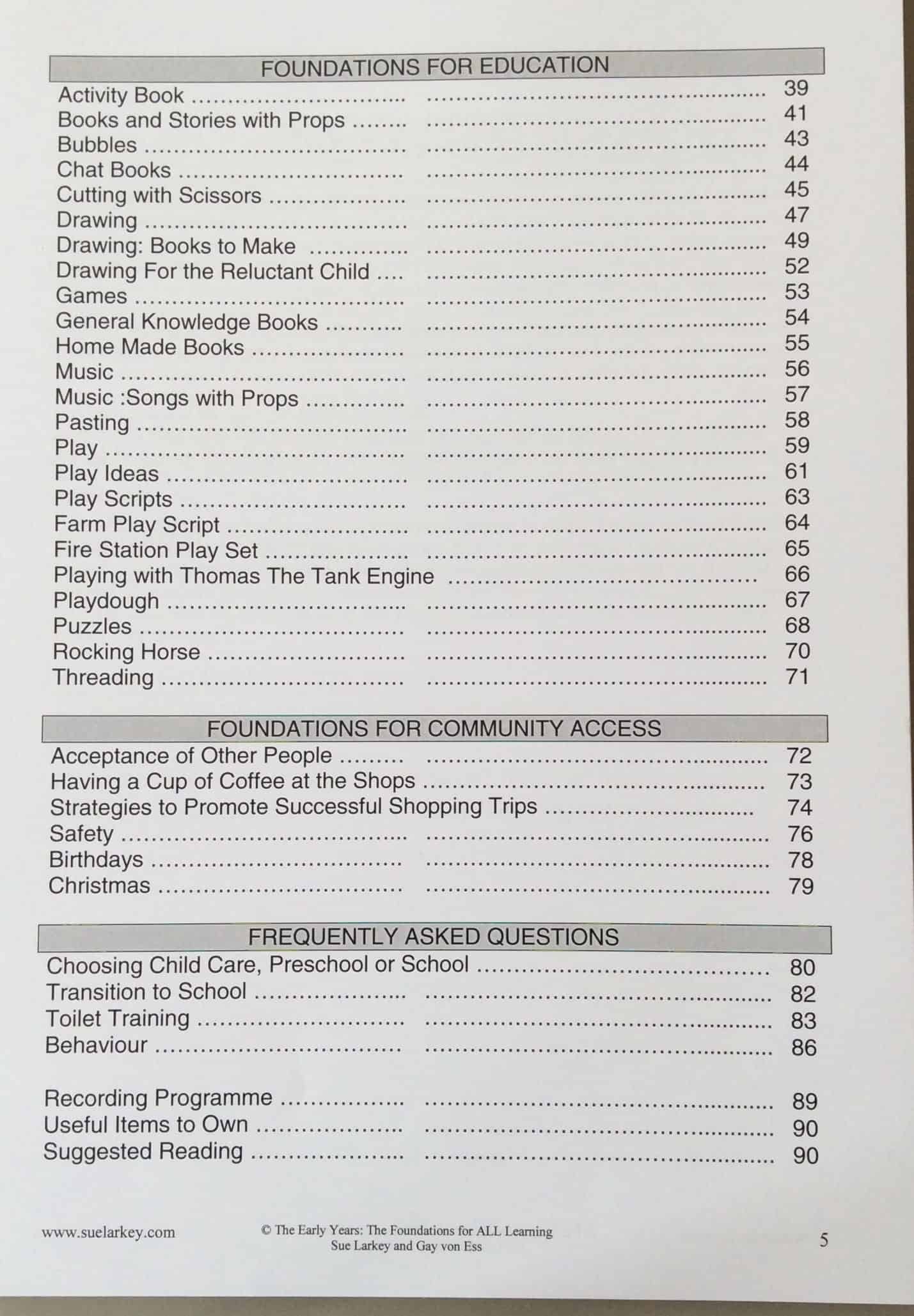
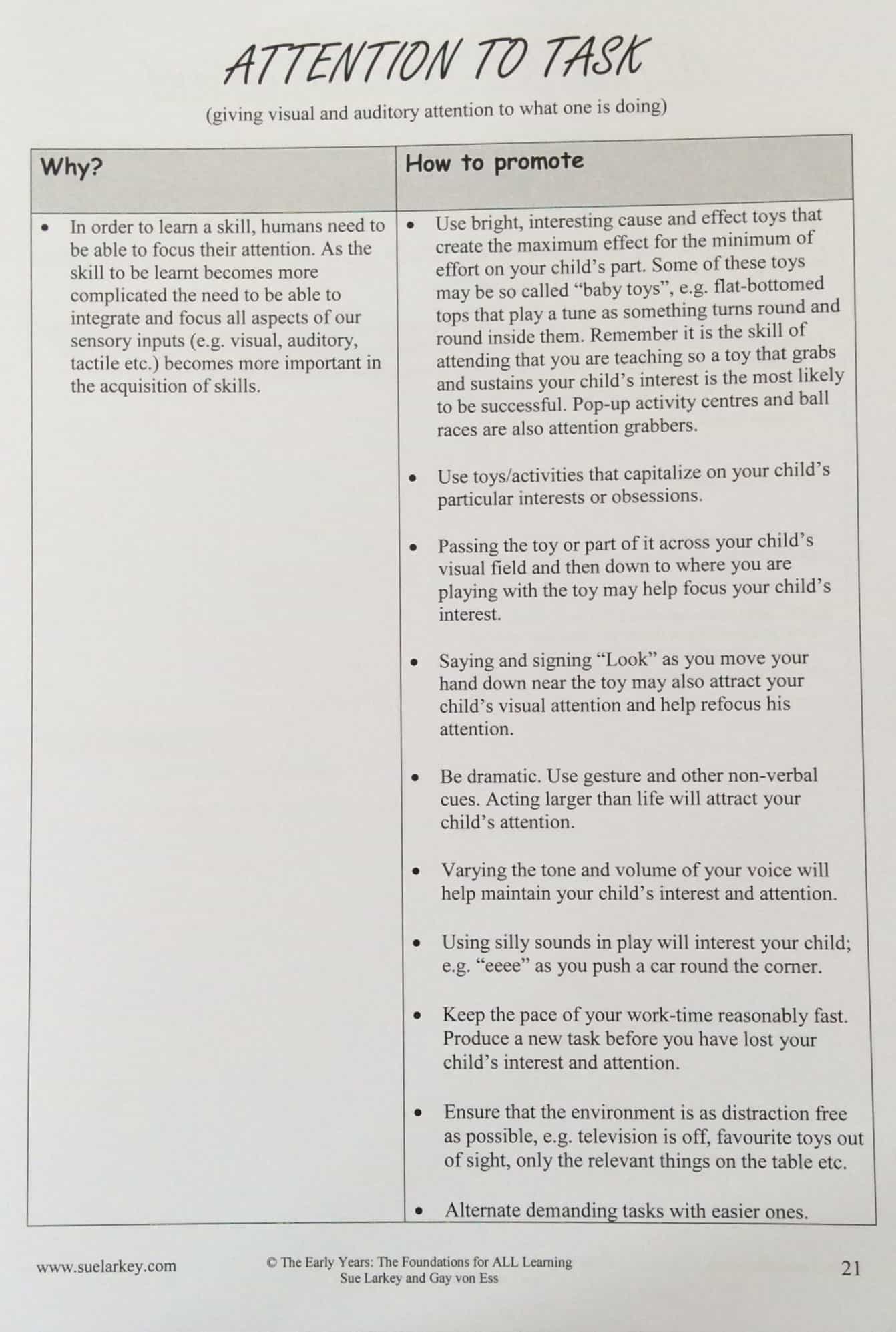
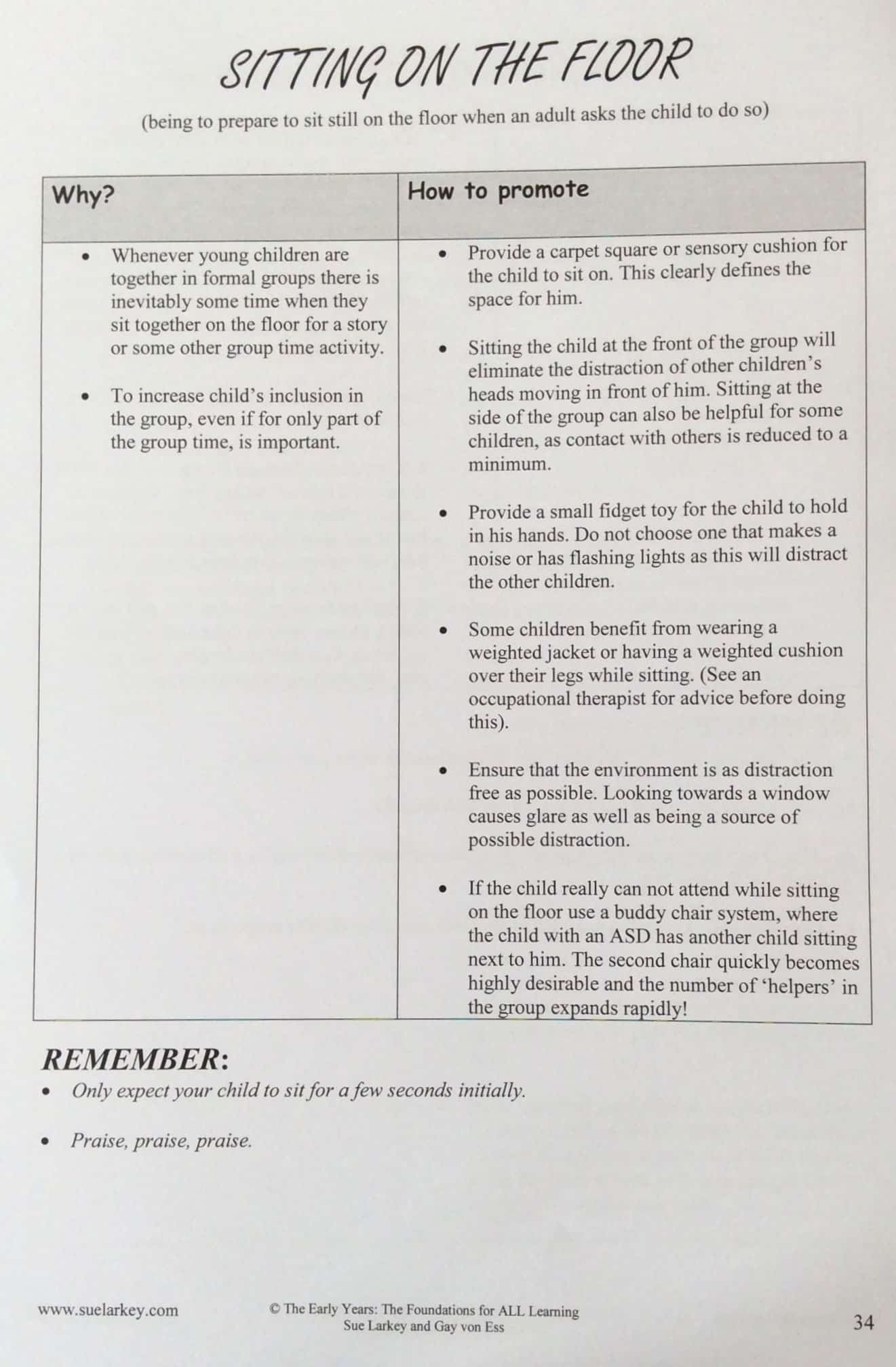
The Early Years: The Foundations For All Learning
| by Sue Larkey & Gay von Ess | This book is full of practical ideas to give children with an ASD and other developmental delays the KEYS to learning. Teaching to play, write, draw, imitate etc. Toilet training, community access, etc. To sit, ask for help, wait, play, attention to task, sign songs, etc. Great easy to photocopy programmes.
$39.95
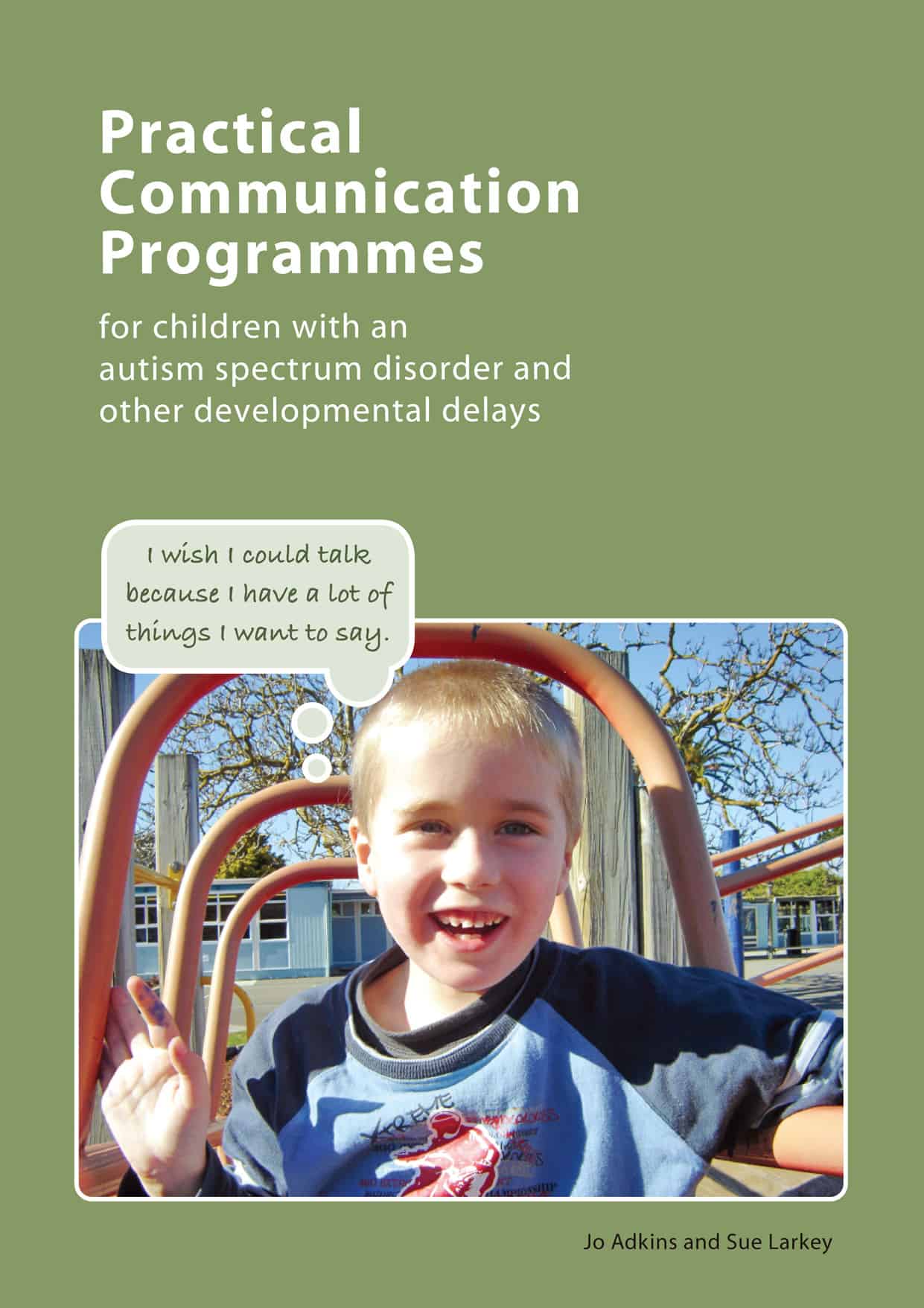
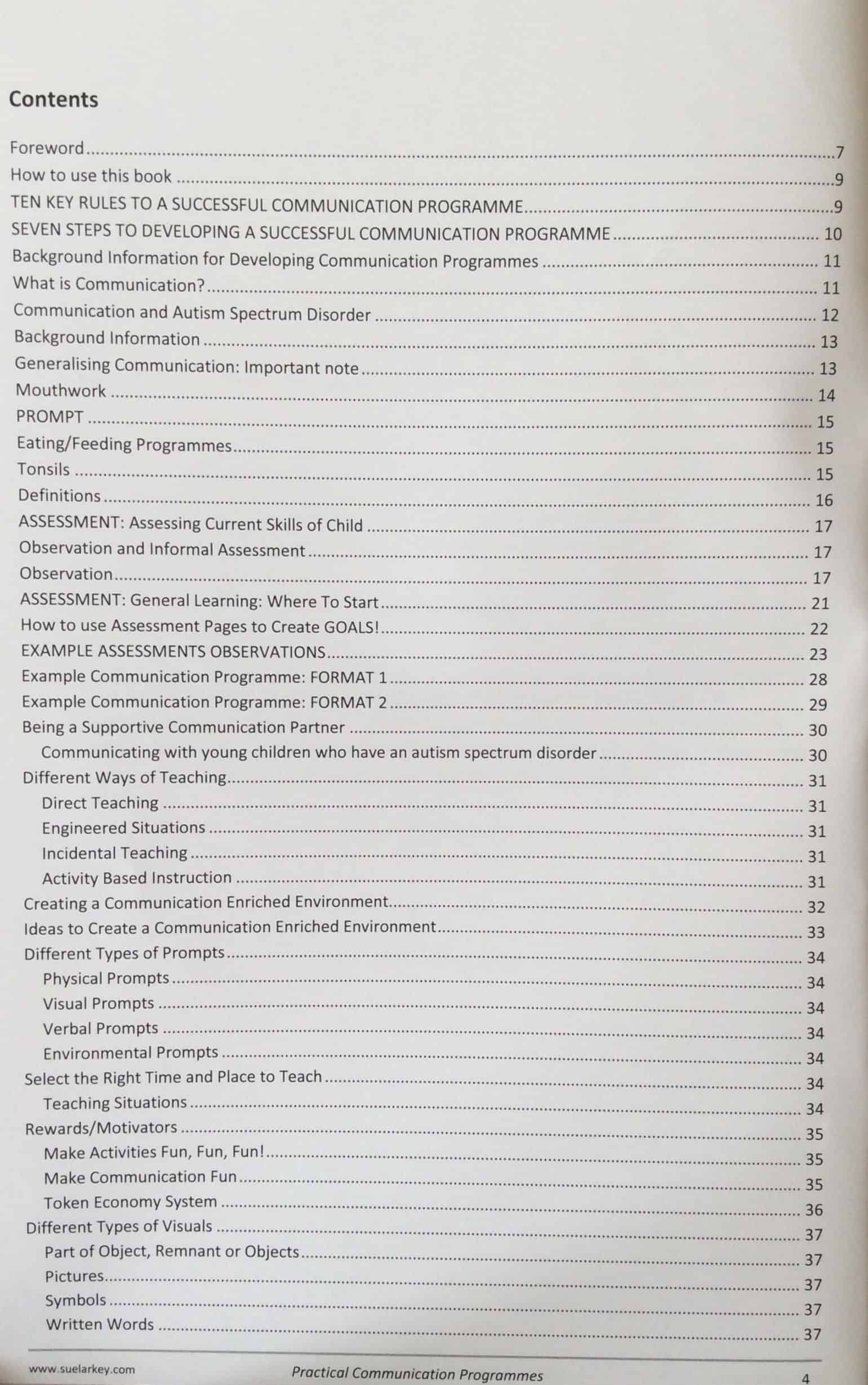
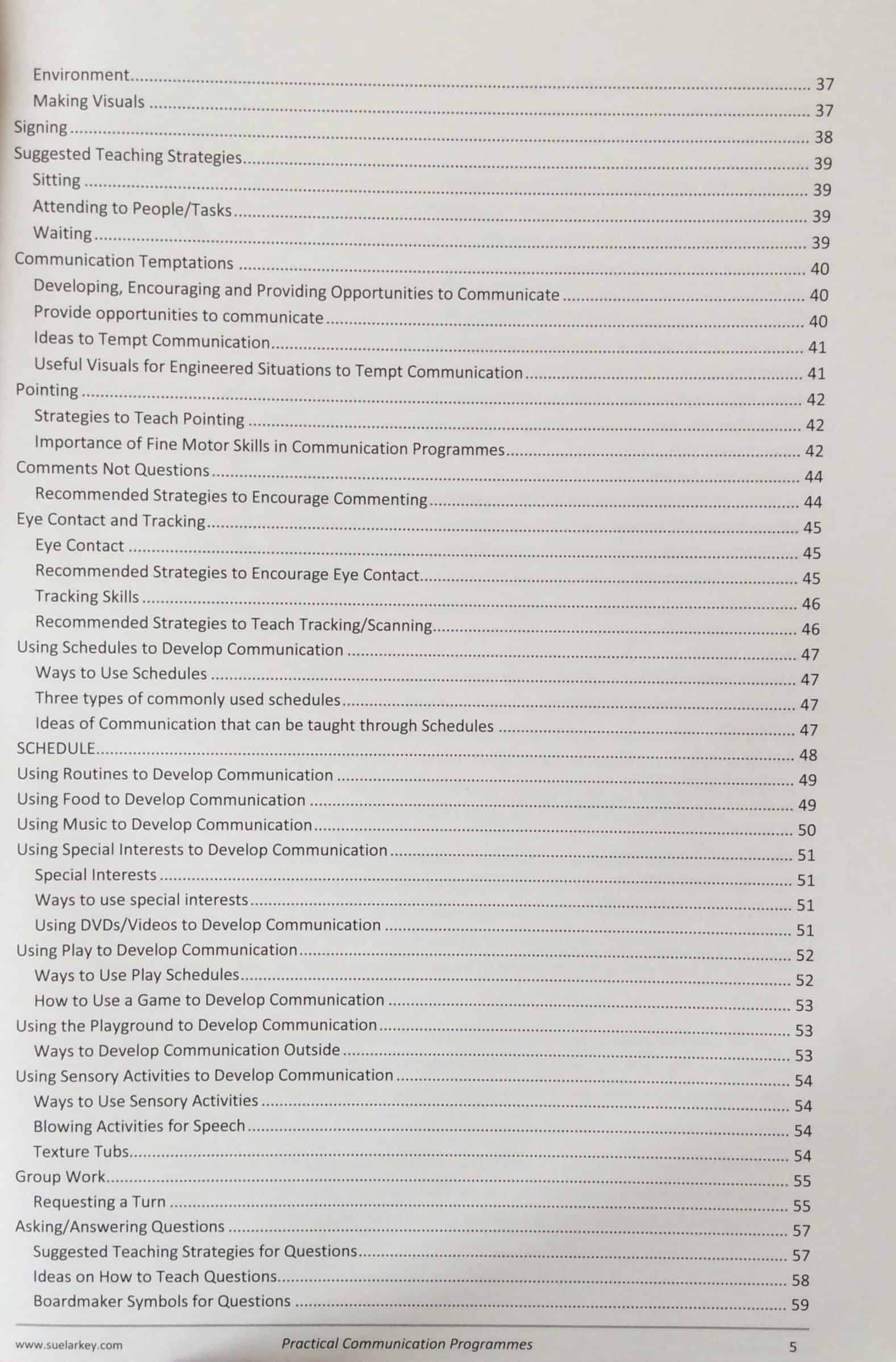
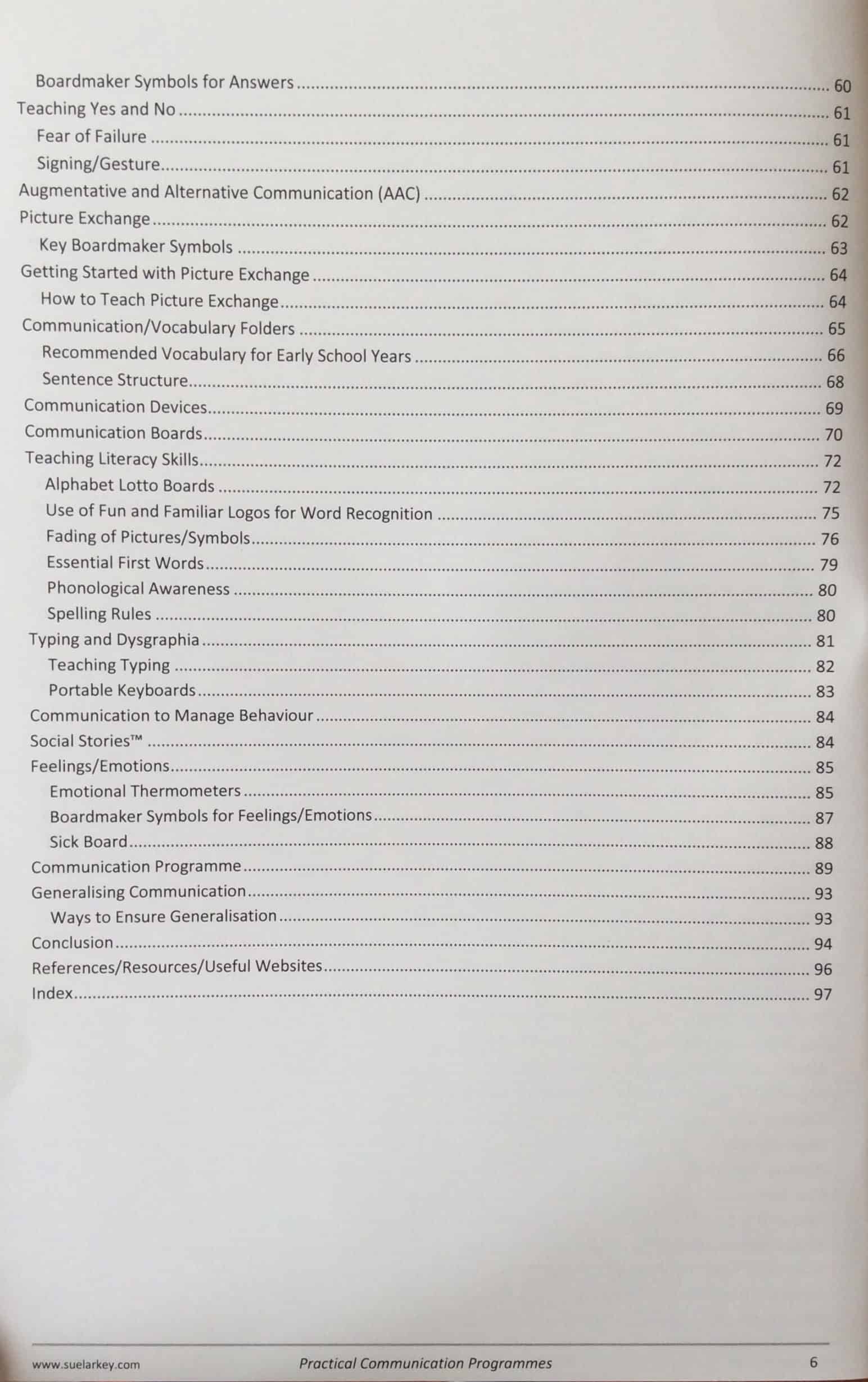
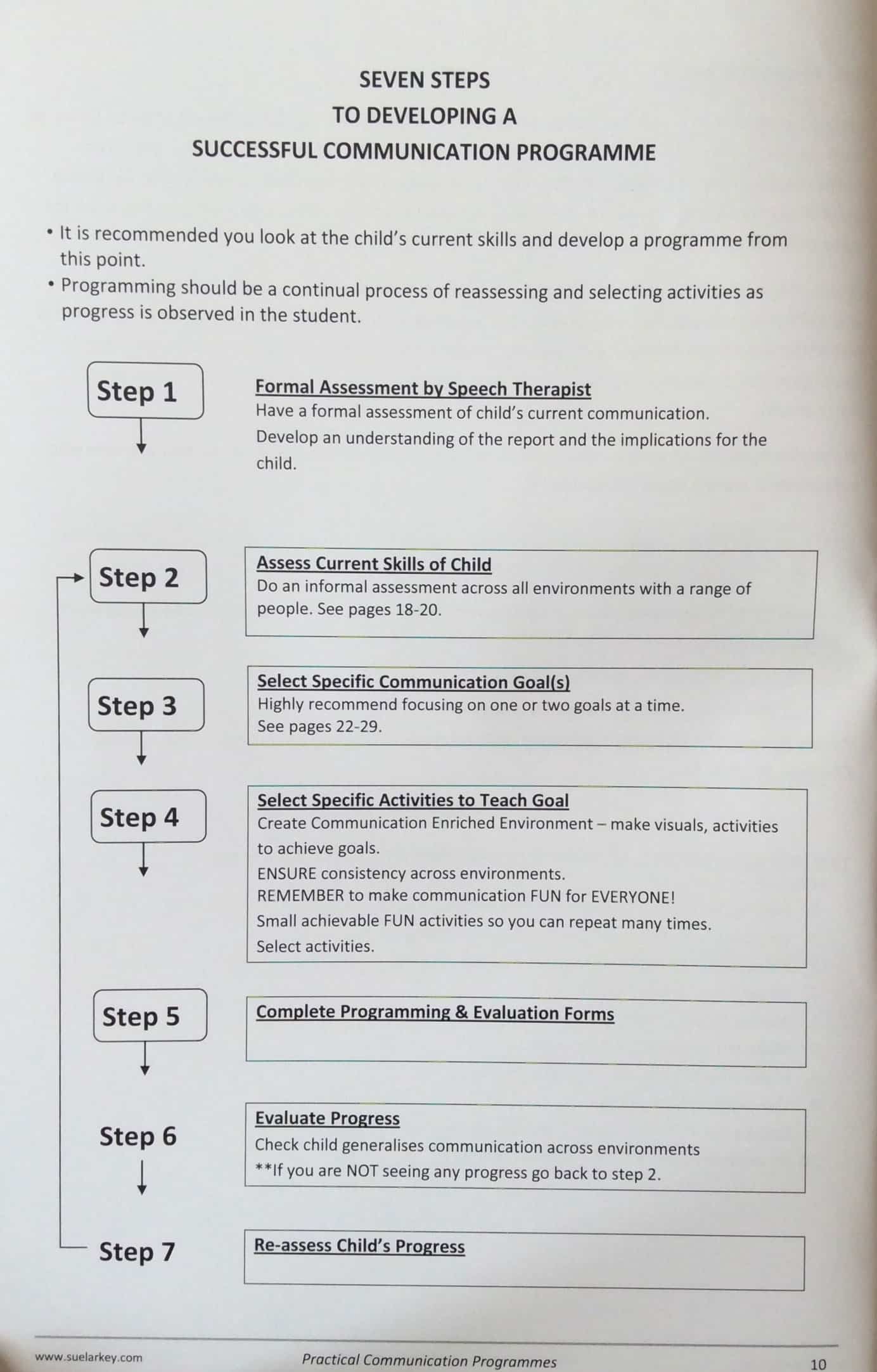

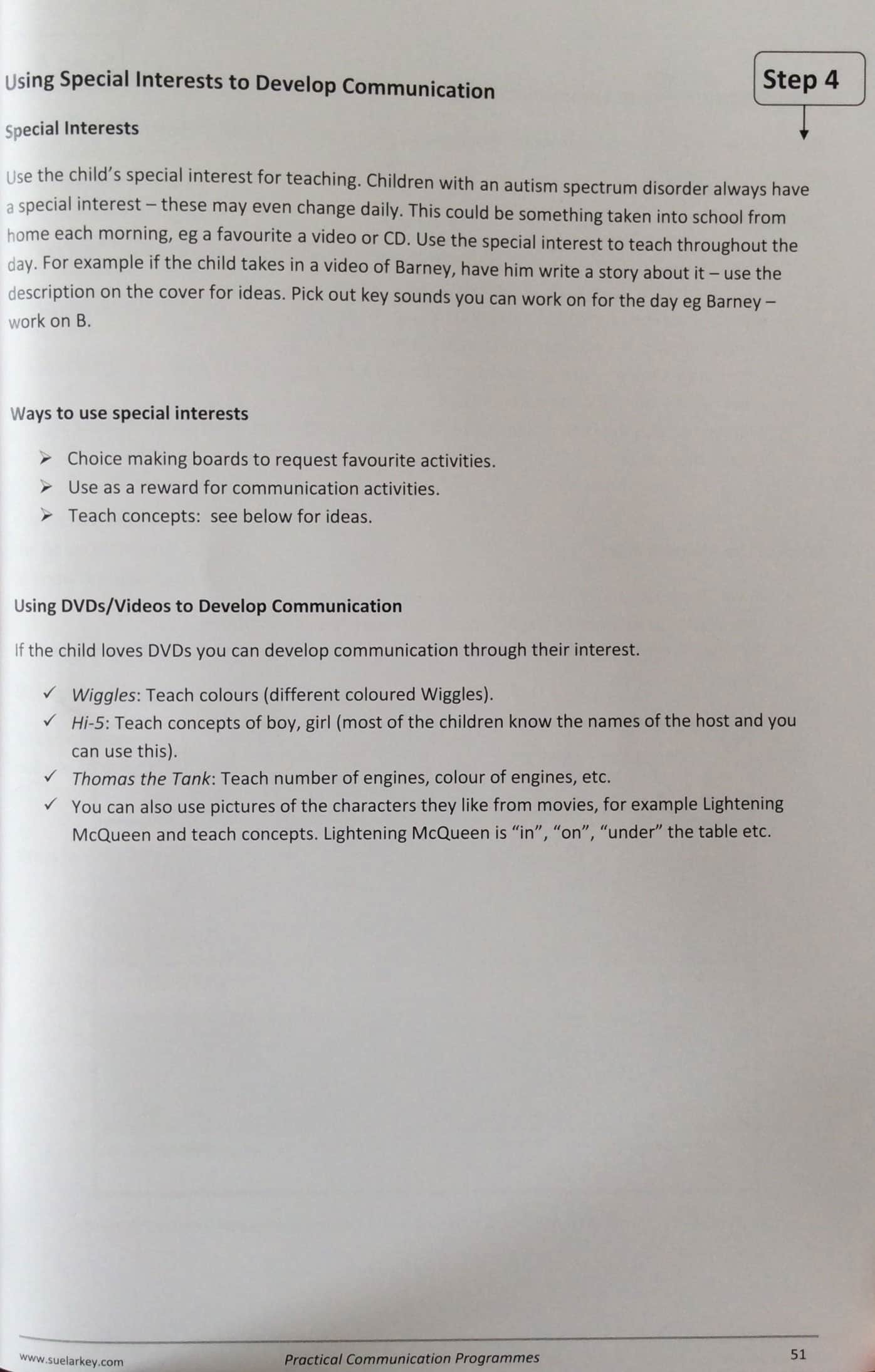
Practical Communication Programmes
| by Jo Adkins & Sue Larkey | Communication is the biggest area of skill deficits in nearly all children on the autism spectrum – whether it is little to no verbalisation, social skills or simply understanding spoken language. This book offers hundreds of ideas and strategies to improve communication skills – including picture exchange, teaching literacy skills, and emotions. It includes activities and resources you can photocopy.
$44.95
RECOMMENDED COURSES
Understanding Autism Spectrum Disorder: Knowledge to Improve Student Learning, Participation and Outcomes

Developing Early Childhood Approaches for Children with Additional Needs
RECOMMENDED PODCASTS
EPISODE 309:
Key Strategies For Early Childhood Educators Top Tips and Steps For Success

EPISODE 268:
Starting School for Neurodiverse Students – Top Tips

EPISODE 279:
Autism and Toilet Training – A Mother’s Toilet Training Journey

Top Resources for Supporting Children in the Early Years
-

The Ultimate Guide to School and Home
$44.95 -
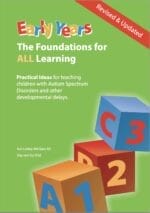
The Early Years: The Foundations For All Learning
$39.95 -
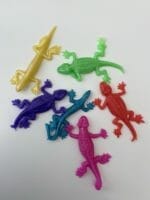
Lizard Stretch Toys (6 for $3)
$3.00 -

Tips for Toileting
$29.95 -
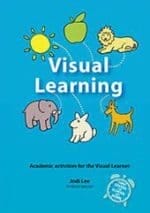
Visual Learning
$39.95 -

Alien Stretch Toys (6 for $3)
$3.00 -
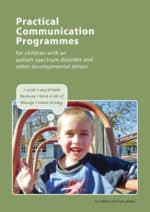
Practical Communication Programmes
$44.95 -

Token Reward System (Large – 10 tokens)
$10.00 -

All Cats Are On the Autism Spectrum UPDATED and REVISED
$37.95 -

Songames For Sensory Processing
$49.95 -

All Dogs Have ADHD UPDATED and REVISED
$37.95 -
Step by Step Help for Children with ADHD
$45.95

Join me on Instagram!
I am always sharing stories and new content



 Sorry we no longer ship items outside Australia. Please consider the digital versions of Sue’s Books –