Sue Larkey Blog
Helping you “Make a Difference”


Tips, Strategies, Time Savers and Inspiration to help make difference for a child with an ASD in your class, home or community.

Please join my Facebook Community as you also read the insights, ideas and support of many amazing teachers, parents and professionals. Click this Facebook Icon Facebook Icon(or google “Sue Larkey Teacher”)
Please comment on any Blog via my Facebook page.
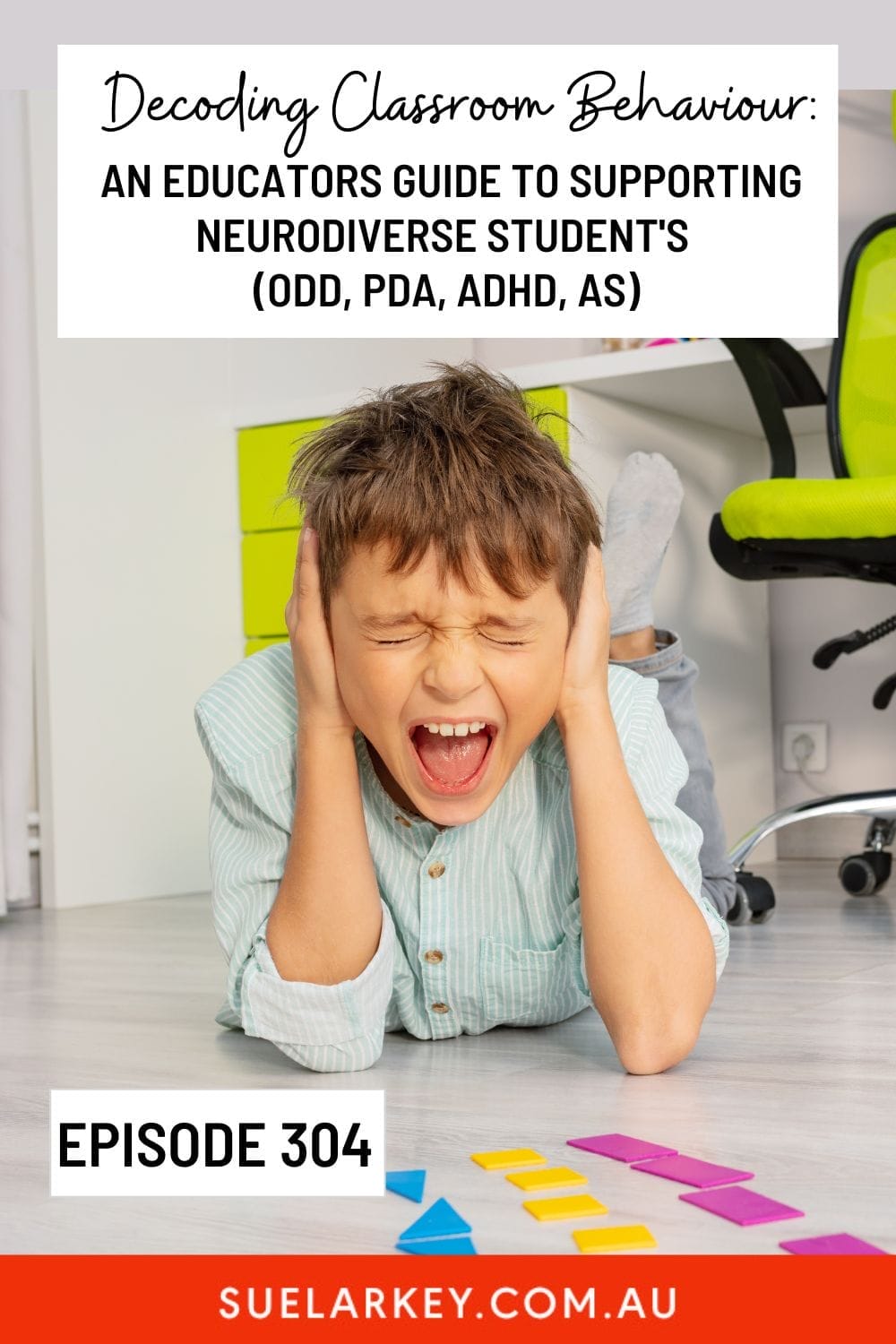
A Guide to Toilet Training Neurodiverse Children Including Stool Withholding and Toilet Avoidance with Guest Melissa Yapp (Episode 305)
A Guide to Toilet Training Neurodiverse children including stool withholding and toilet avoidance with Guest Melissa Yapp Toilet Training For Neurodiverse ChildrenDiscussed in this podcast: ✅ Create toilet training mini-goals - Focus on 5-minute toilet sits after every meal rather than full toilet training ✅ Use visual schedules for wiping process - Break down each step with pictures showing pants down, underwear down, sitting down ✅ Model the toileting process - Take the child with you to the toilet, show them your process, and have them help with toilet paper ✅ Implement social stories for specific challenges - Create stories about pushing out poos, wiping process, or taking laxative medication ✅ Track bowel movements using phone notes - Share notes between caregivers to identify the child's natural timing patterns ✅ Incorporate toilet time into daily visual routine - Show "first lunch, then 5-minute toilet sit" on the child's schedule ✅ Start super small with timing -...
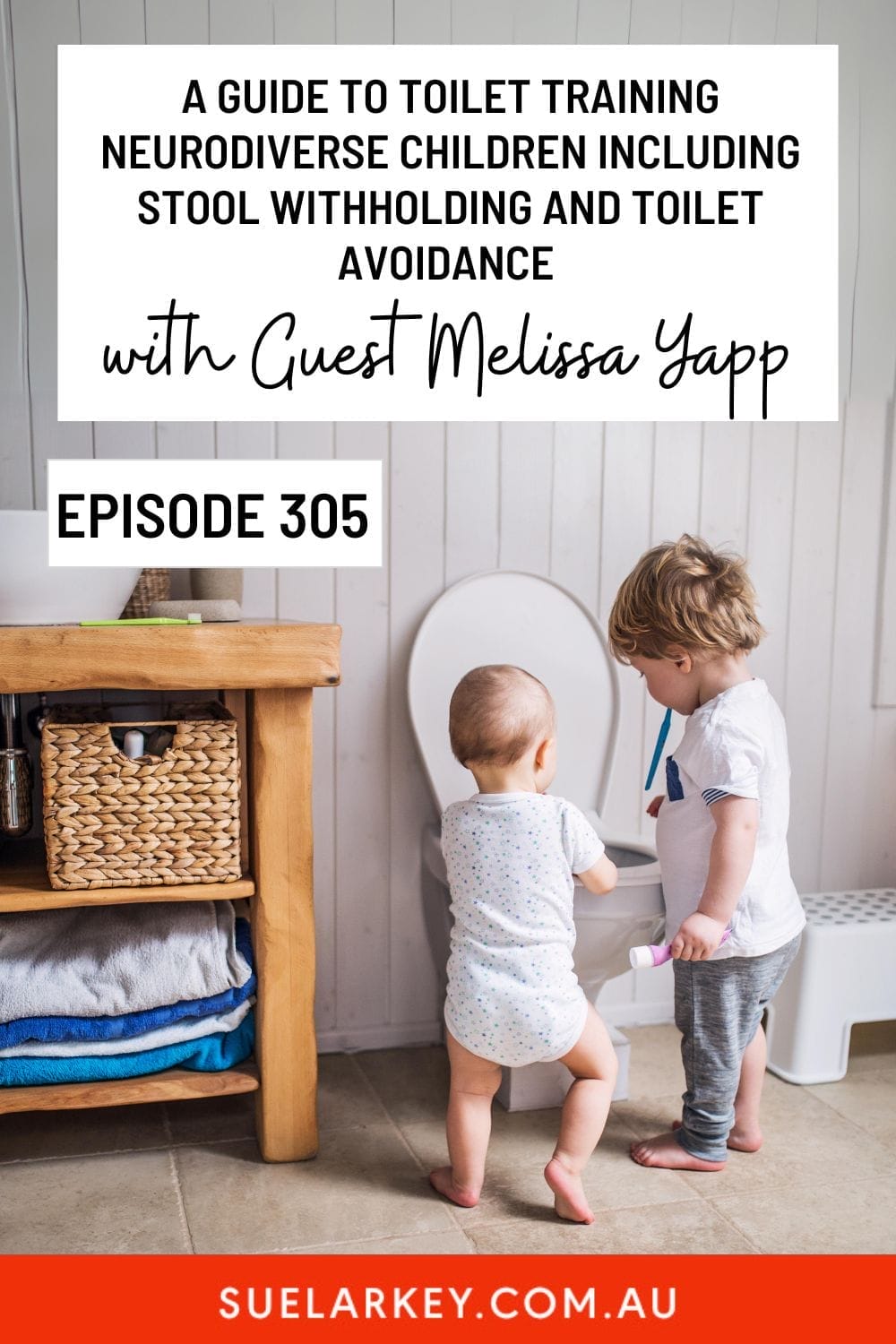
Decoding Classroom Behaviour: An Educators Guide to Supporting Neurodiverse Students (AS, ODD, PDA, ADHD) (Episode 304)
Decoding Classroom Behaviour: An Educators Guide to Supporting Neurodiverse Students (AS, ODD, PDA, ADHD) Teacher Assistant Autism SupportDiscussed in this podcast: ✅ Create a visual card system with green for "sharing time" and red for "listening time" to help students who call out during lessons understand expectations. ✅ Implement a "Thought Parking Lot" using sticky notes where students can quickly jot down or draw thoughts that come to mind during instruction instead of calling out. ✅ Introduce "Think-Pair-Share" structures with timers so students know exactly when they'll have opportunities to express their thoughts during lessons. ✅ Try different sensory tools beyond standard fidgets - consider wobble stools, therapy balls, or move-n-sit cushions that allow movement while sitting. ✅ Start writing on a blank page for students who experience "blank page anxiety" to help overcome initiation difficulties and executive functioning challenges. ✅ Create visual task...
50/50 – Behaviour Plans: Help your neurodiverse students to help YOU (Episode 303)
50/50 - Behaviour Plans: Help your neurodiverse students to help YOU Behaviour Plans for Diverse LearnersDiscussed in this podcast: ✅ Starting with the end in mind ✅ The 50/50 Learning & Behaviour Plan ✅ Modelling behaviour and demonstrating Plan B’s ✅ Encouraging independence with timers, visuals and schedules ✅ Using 3 Rs - rewards, repetition and routinesHOW TO USE THE 50/50 PROGRAMYou will need to use a combination of strategies and while at first it may feel like YOU are doing all the work as the student learns to work with what you provide, you will do less and less and eventually move to a 50/50 approach. This is where 50% of the strategies are by the adult and 50% by the student. Children on the spectrum need to be 'taught' to use a combination of strategies. I have seen many examples over the years where people put in place a strategy and just expect the child to understand how to use it or what it means. The helps Fostering Independence for Diverse Learners. One of...

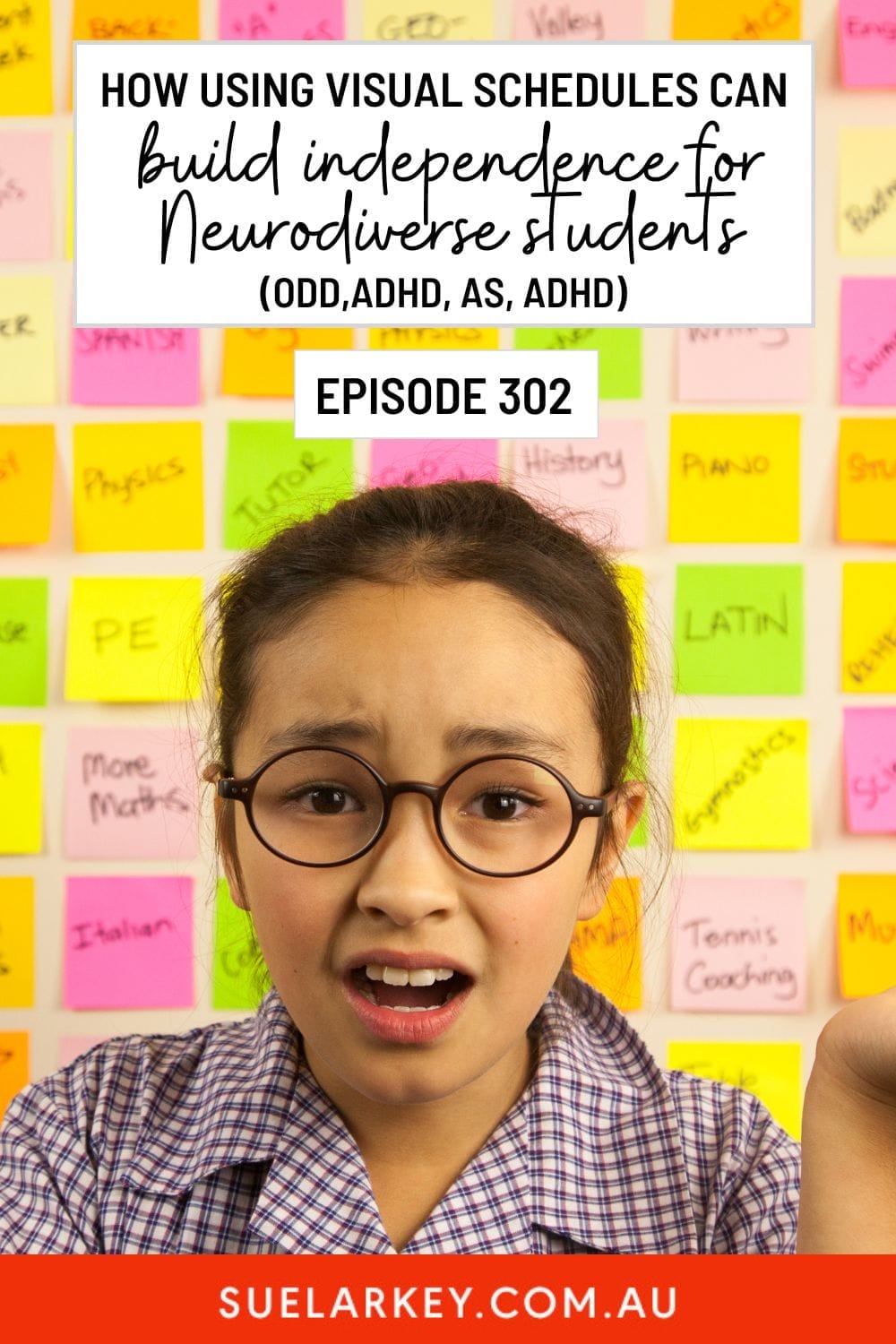
How Using Visual Schedules Can Build Independence for Neurodiverse Students (ODD, PDA, ADHD, AS) (Episode 302)
How Using Visual Schedules Can Build Independence for Neurodiverse Students Schedules for Neurodiverse Children 10 Ideas to Try from this Podcast: ✅ Library Schedule Breakdown: Instead of just saying "library time," break down the entire sequence - returning books, sitting on the mat, listening to a story - to reduce anxiety and increase engagement. ✅ Morning Routine Visual Chart: Create a visual schedule for morning routines with breakfast, getting dressed, cleaning teeth, and packing bags - with time allocations for each activity. ✅ Assembly Navigation: Use visual schedules to show the sequence of assembly events - national anthem, principal's announcements, class performances - making long sitting periods more manageable. ✅ Hand-Washing Sequence: Break down hand-washing into clear steps with timing - turn on tap, apply soap, wash while singing "Happy Birthday," rinse, dry hands thoroughly. ✅ Homework Time Management: Use digital timers that can be paused for...
Rant: Is Our System Failing Neurodiverse Students? (Episode 301)
Behaviour Solutions for Kids is a great way to help children with Autism, ADHD, ODD, and all other neurodiversity. By understanding behaviour and putting in place strategies to help children regulate their emotions, you can help them cope with meltdowns and shutdowns. Proactive and reactive strategies can be used to help children learn how to self-regulate and choose their battles. With the right tools and strategies, you can help children with behaviour issues find solutions that work for them. It's never too late to start helping children with behaviour issues, and the rewards are worth it.
Celebrating 300 Episodes – Emotional Regulation & Embracing Difference with a Class Activity “All About Me” (Episode 300)
Celebrating 300 Episodes!Embracing Difference with a class activity “All About Me” Helping Neurodiverse Children with Emotional Regulation Discussed in the Episode: ✅ Use the "About Me: Understanding My Feelings" worksheet with photos to help children identify what helps them when feeling wiggly, tired, bored, worried, excited, angry, or sad ✅ Create brainstorming sessions where children share different self-regulation tools (arm pretzel, crunchy snack, deep breaths) ✅ Implement wall pushups as a proprioceptive activity for children feeling slow/tired, fast/emotional, or fast/wiggly ✅ Teach the "seat pushup" technique during assemblies - push on chair with palms flat, count to 5-10 ✅ Use "The Palm Push" - pushing palms together for 5-10 seconds as a discrete calming technique ✅ Read "The Red Beast" picture book to help children understand anger expressions ✅ Poll the class to see who uses which strategy in different emotional states ✅ Create a visual menu of regulation activities...
What is Interoception & How it Affects Behaviour in Neurodiverse Students (ODD, ADHD, PDA, AS) (Episode 299)
What is Interoception & How it Affects Behaviour in Neurodiverse Students (ODD, ADHD, PDA, AS) What is interoception in neurodiverse studentsDiscussed in the Episode: ✅ H.A.L.T factors underlying behaviour. Hungry, Angry, Lonely, Tired and what to do ✅ Many ADHD children don't recognise they're tired until they're completely exhausted. ✅ Some children don't realise they're thirsty until they need to drink an entire water bottle. ✅ A boy was having meltdowns at after-school care because he hadn't eaten breakfast or drunk water all day. ✅ Using marked water bottles with lines indicating how much to drink by certain times of the day. ✅ Creating "appointments" for social connections where different children meet with a neurodiverse student daily. ✅ One mother reported her son couldn't distinguish between needing to use the bathroom and feeling angry. ✅ Having a neurodiverse student help younger children with reading groups to create a connection ✅ Creating toilet timing routines...
Playground Plans: A Guide to Creating Effective Lunchtime Clubs (Episode 298)
Playground Plans: A Guide to Creating Effective Lunchtime Clubs Playground Plans for Neurodiverse Students Discussed in this Podcast: ✅ Creating a gardening club where students learn lifelong skills while developing social connections - "I personally, huge fan of gardening because then you can join a community garden. It's a lifelong skill. It's something you can talk about right into adulthood." ✅ Implementing a system of "tickets" to give certain students access to supervised activities during recess/lunch - "Art, let's get a ticket. So that is for students that have been identified that need a bit more support." ✅ Setting up board game clubs to teach turn-taking, winning/losing gracefully, and emotional regulation - "Board games you have to learn, learn to win, lose, wait for a turn. Like I think board games teach a huge range of skills." ✅ Creating clubs based on special interests - "They have library dolls. Play skipping elastics. Remember Elastics Captain Ball art...
Navigating Social Meltdowns: Understanding Triggers and Solutions for Neurodiverse Children (AS, ADHD, ODD, PDA etc) (Episode 297)
Navigating Social Meltdowns: Understanding Triggers and Solutions for Neurodiverse Children (AS,ADHD, ODD, PDA etc) What Are Social Meltdowns?Discussed in this Episode: Document specific social triggers for individual students - "What does a social meltdown look like? What is the triggers for this child? Is the trigger winning and losing? Is the trigger not having a partner?" Create a visual social knowledge scrapbook - "This is why I like what Anna Tullemans says with a social script explaining other people's perspective." Great social scripts in the Developing Social skills book available here Implement "process first, collaborate second" - "Maybe we should reverse it in the classroom. Maybe we should give children all a few minutes to think about what they're gonna contribute to the group and collaborate and then talk." Establish three peer groups for each child - "Dr. Michael Carr-Greg says children need three peer groups. Is could be activities outside school? Practice...
My favourite resources – What they are and how to use them (Episode 296)
My favourite resources – What they are and how to use them How Should I Set Up My Classroom for my Students?Discussed in this Episode: ✅ Using digital timers with a visual schedule to help students understand transitions - where they're going, what they're doing, and for how long buy here ✅ Placing time timers at assemblies to help students visually see how long they need to sit buy here ✅ Creating portable digital schedules with personalised visuals (like attaching a Lego block to show how long it is until Lego time) buy here ✅ Using the Red Beast thermometer to help children track their anger levels from calm to furious buy here ✅ Creating personalised "wands" with each child to help them identify and work through different feelings buy here ✅ Implementing token systems as rewards for neurodivergent children instead of traditional certificates or stamps buy here ✅ Using key rings with visuals to help children with transitions or regulation buy here ✅ Having students develop...

What does that Acronym / Abbreviation Mean? I have created a cheat sheet for you (Episode 295)
What does that Acronym / Abbreviation Mean? I have created a cheat sheet for you Understanding Acronyms CheatsheetDiscussed in this Episode: Cheat sheet with over 40 + Acronym / Abbreviations What do the 3 levels of ASD Diagnosis mean ODD vs PDA ADHD vs ASD Common Confusions and Misunderstandings – with Psychologist Emily HanlonARE YOU CONFUSED BY ACRONYMS AND ABBREVIATIONS? HERE'S A GREAT CHEAT SHEETI wish I had this list when I first started teaching, I remember the overwhelm of hearing abbreviations and not knowing what they were....... and no google 30 years ago! Sue's Top Pick for Understanding Diagnostic Terms- MUST HAVE for Professional LibrariesThis week I am joined by guest, Emily Hanlon, a Psychologist who completed her Clinic Masters Research on the well-being of siblings of children with ASD compared to children with typically developing siblings. The results showed that ASD siblings reported lower scores on emotional efficacy and positive affect, and reported...

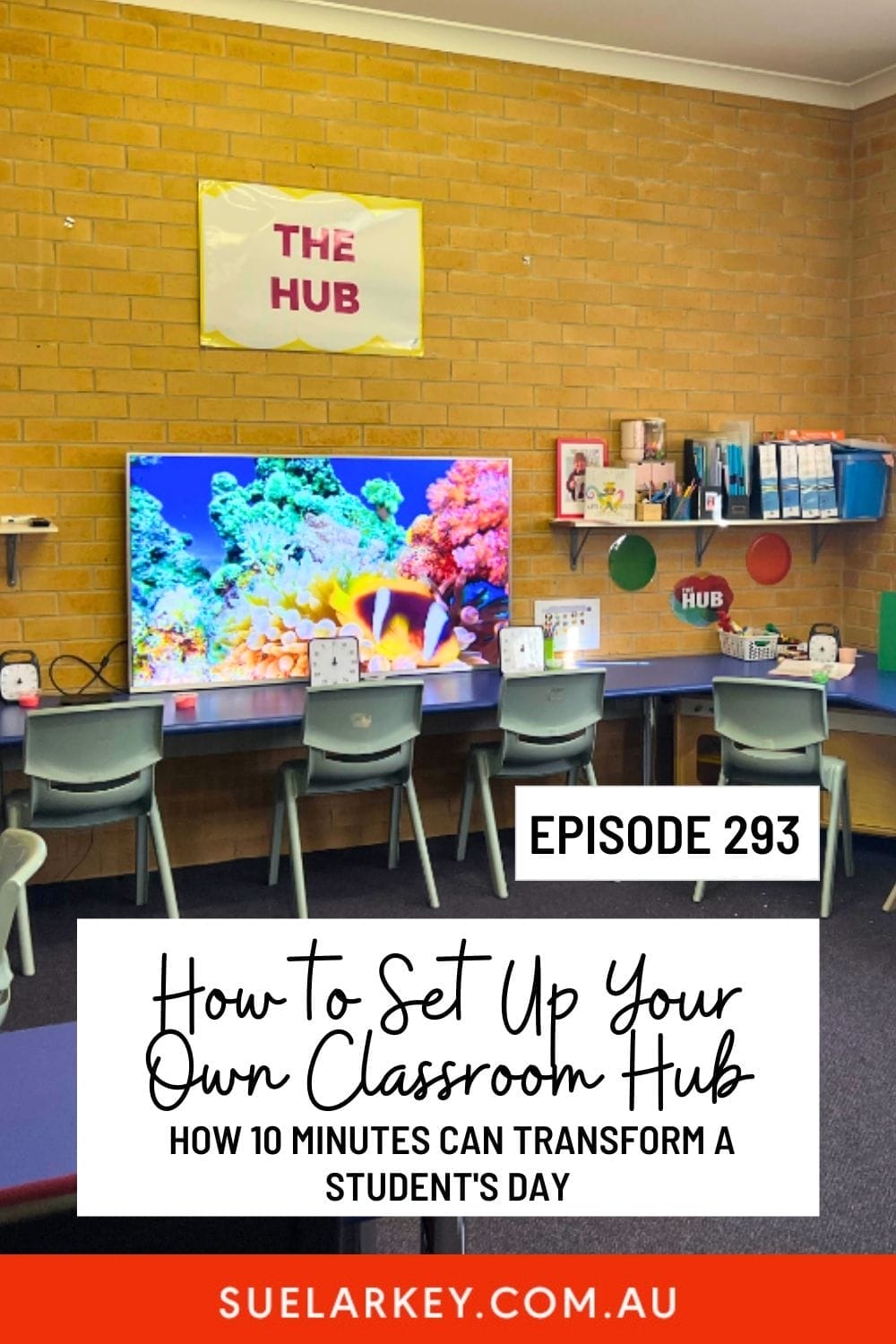
How To Set Up Your Own Classroom Hub: How 10 Minutes Can Transform a Student’s Day (Episode 294)
How to set up your own classroom Hub: How 10 Minutes Can Transform a Student's Day How Should I Set Up My Classroom for my Students?Discussed in this Episode: ✅ Create a physical "Hub" space with individual desks, visual timers, and therapeutic tools like theraputty. ✅ Implement daily "anchor points" where high-needs students start their day in the Hub with a structured routine. ✅ Develop "roadmaps" (social scripts) that outline the bones of the day, helping students prepare for transitions and changes. ✅ Establish consistent classroom and playground expectations with simple rules (e.g., whole body listening, hand raising, respect). ✅ Schedule regular regulation breaks instead of reactive "call outs" to prevent escalation. ✅ Create individualised skill-building sessions ("springboards") targeting specific needs like stopping when asked or handling loss. ✅ Develop personal plans that follow students year to year, reducing teacher preparation and student anxiety. ✅ Implement...