Conversations with Sue Larkey
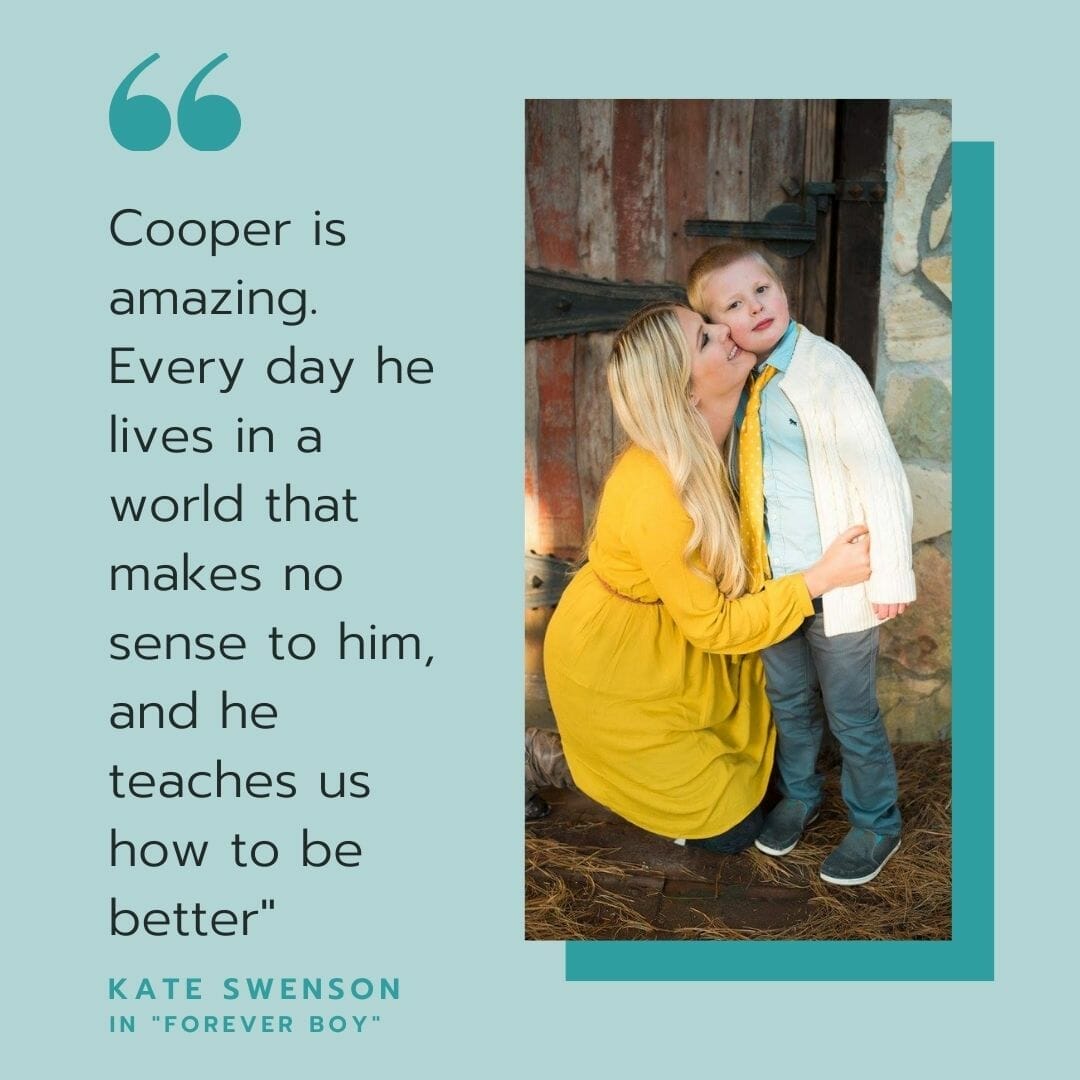
Guest Author Kate Swenson shares Choosing Joy Over Fear:
One Family’s Journey with Nonverbal Autism
Non-verbal Autism Communication Strategies
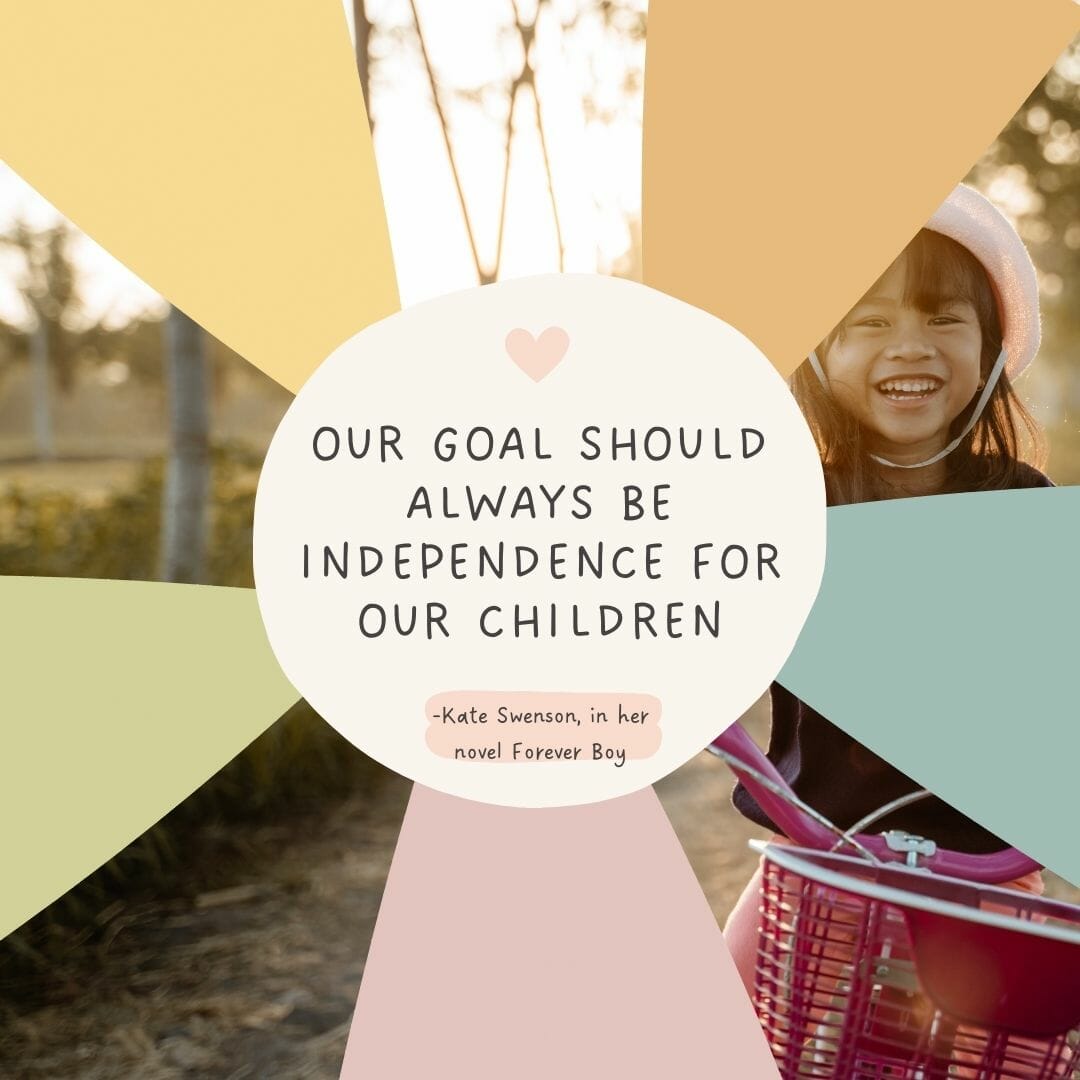
Kate Swenson’s popular blog “Finding Cooper’s Voice” has provided hundreds of thousands of parents of children with Autism hope and comfort. Kate has now written a powerful memoir “Forever Boy”, to continue sharing her inspiring story about motherhood and unconditional love.
My Top takeaways from reading the book:
✅ Use Written Lists Instead of Pictures Kate found that Cooper didn’t respond to PECS (picture exchange communication system), but thrived with written lists. She writes down activities (“we’re gonna get dressed, we’re gonna have breakfast, we’re gonna brush teeth”) and checks them off, providing comfort and predictability.
✅ Teach the “Tap on Shoulder” Technique Instead of allowing screaming, biting, or pinching to communicate, redirect students to tap on someone’s shoulder or arm. This is a functional skill that works at any age—from age 2 to adulthood.
✅ Track Communication Data When a child exhibits challenging behaviors like screaming or biting, systematically track what they want from the behavior. Is it a snack? Bathroom? Attention? This data helps identify patterns and replace behaviors.
✅ Visit New Schools Before Transitions Kate took Cooper to his new middle school multiple times over summer. Repeated exposure to new buildings, teachers, and environments reduces anxiety about transitions.
✅ Break Major Goals into Micro-Steps For a goal like “walking through a store,” start with just being safe in the car, then practice entering for five minutes and leaving. Build incrementally over time—this approach took Kate’s family years but resulted in success.
✅ Create Two-Way Communication Systems with Parents Send photos and notes home about what happened at school. Parents can then ask specific questions (“Did you see Principal Lesick today?”) enabling the child to participate in conversations about their day.
✅ Always Work Toward Something Cooper thrives when he has a goal—whether it’s a $3 movie from eBay or a trip to the zoo. Having something to work toward provides motivation and structure.
✅ Consider Biting as “Love Bites” Reframe biting as communication rather than aggression. Children typically don’t bite random people—they bite people they’re connected to when they need to communicate something urgently. This perspective helps identify what they’re trying to say.
✅ Ensure Consistency Across All Environments Communication strategies must be consistent across school, home, and grandparents’ houses. Cooper’s communication device only became effective when everyone required him to use it, rather than anticipating his needs.
✅ Practice Life Skills in Real Environments Take children to grocery stores, airports, and other public spaces for repeated, short practice sessions. One teacher moved Tim Tams (a preferred item) closer to the store entrance so a student could see them and have motivation to enter.
Discover the powerful memoir “Forever Boy” today!
HIghly Recommend Reading “Forever Boy” by Kate Swenson

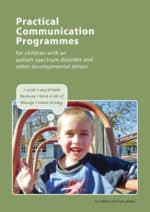
Looking for a Book to support and develop communication? Check out Practical Communication Programmes.
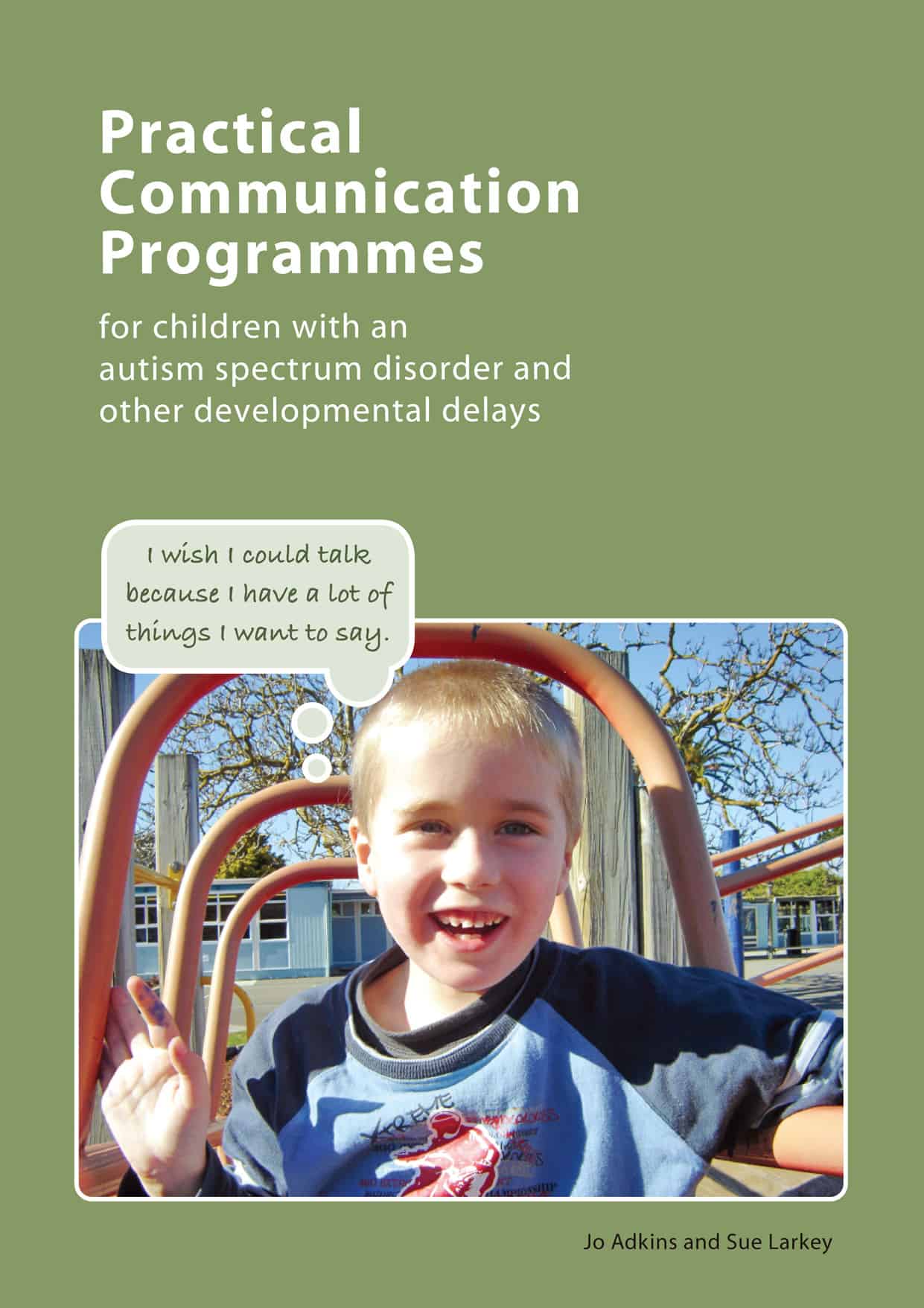
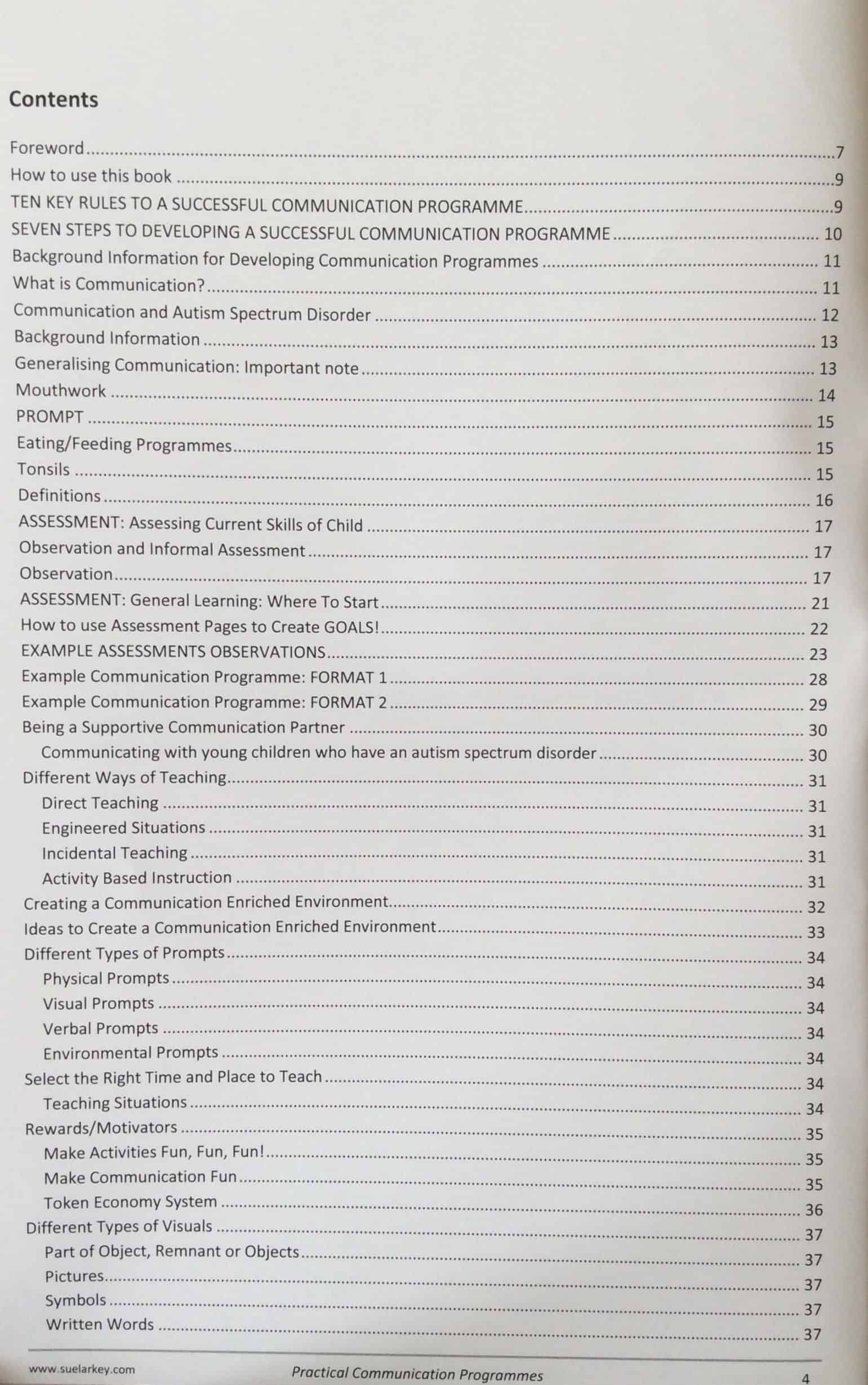
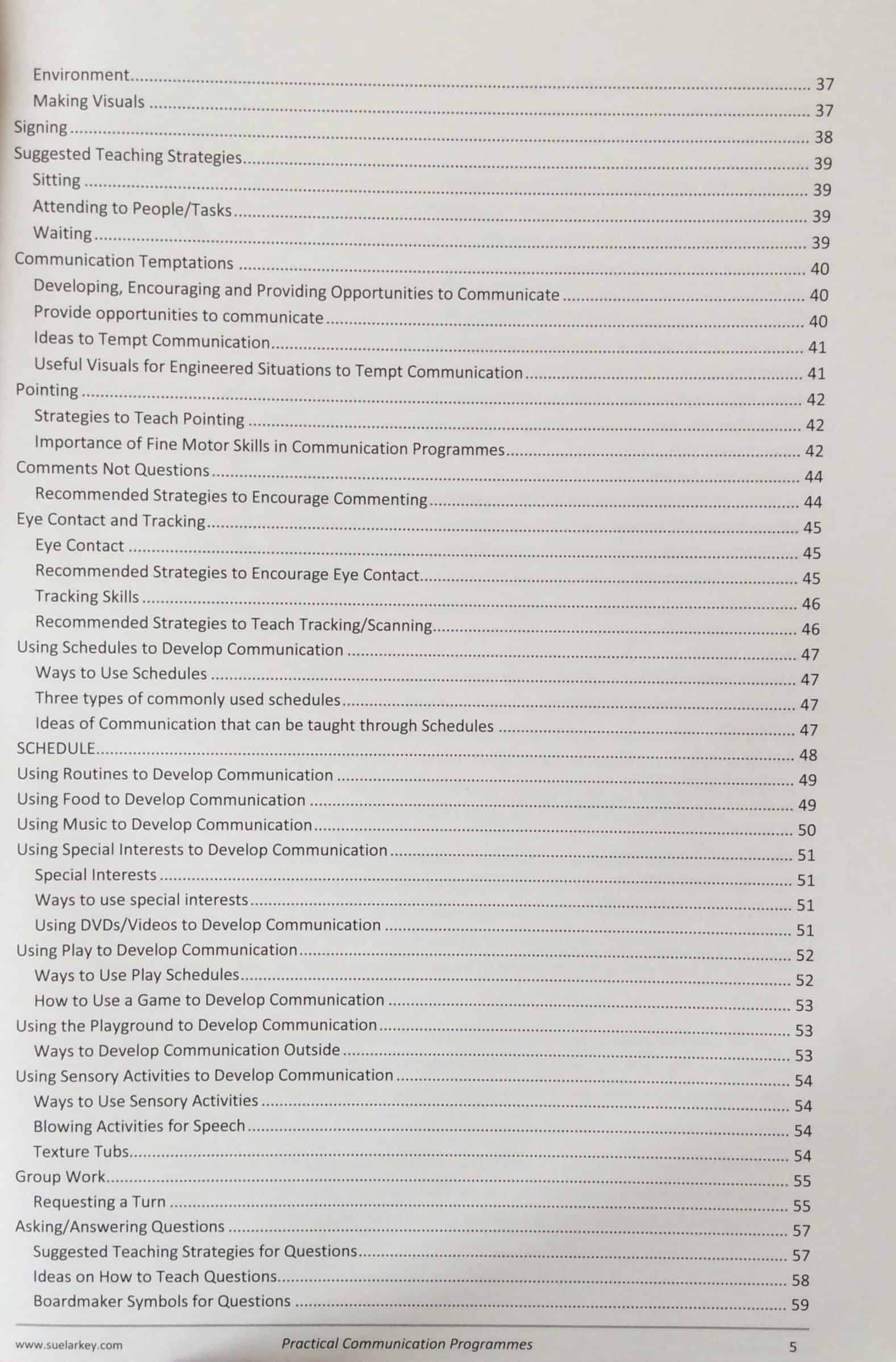
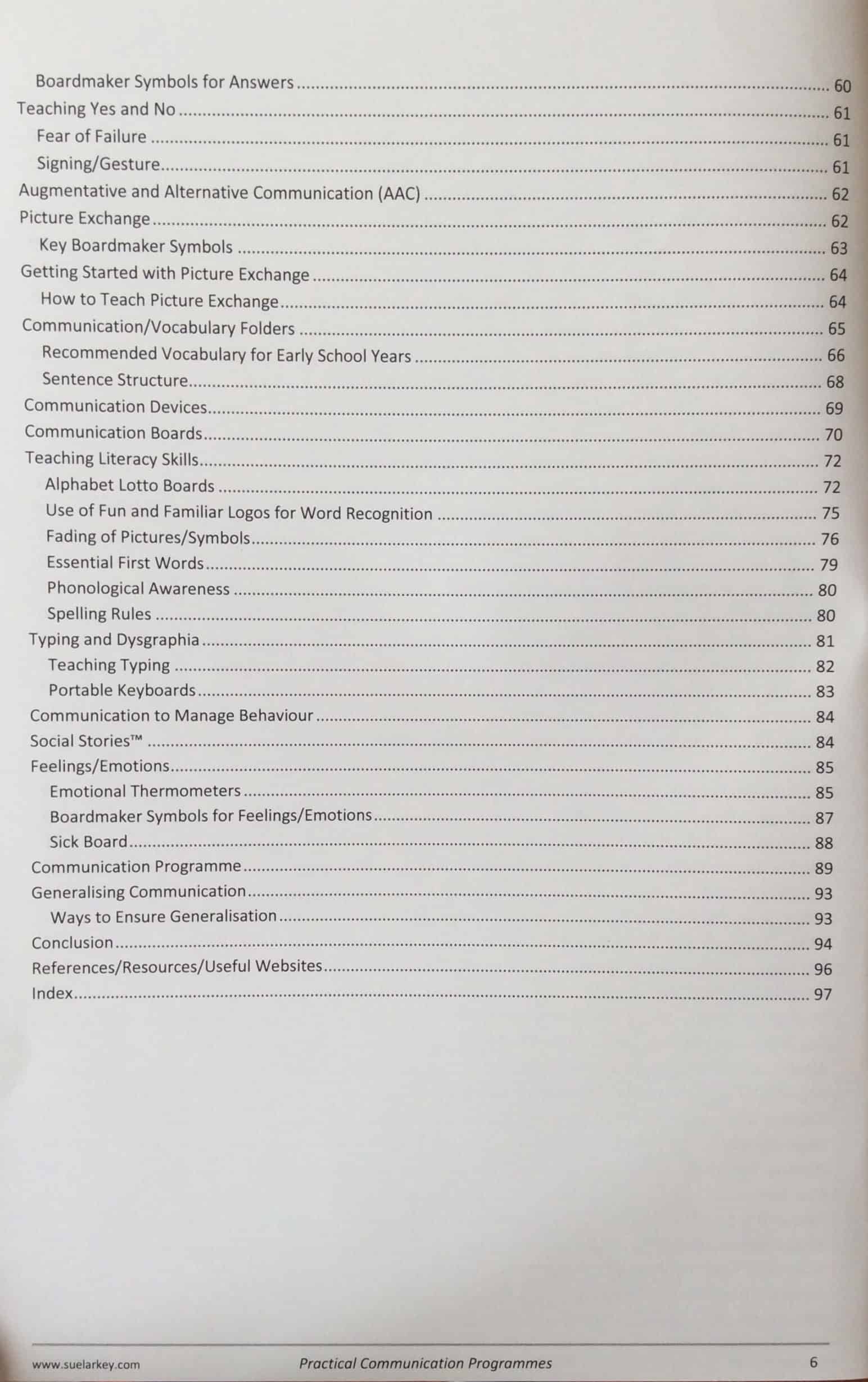
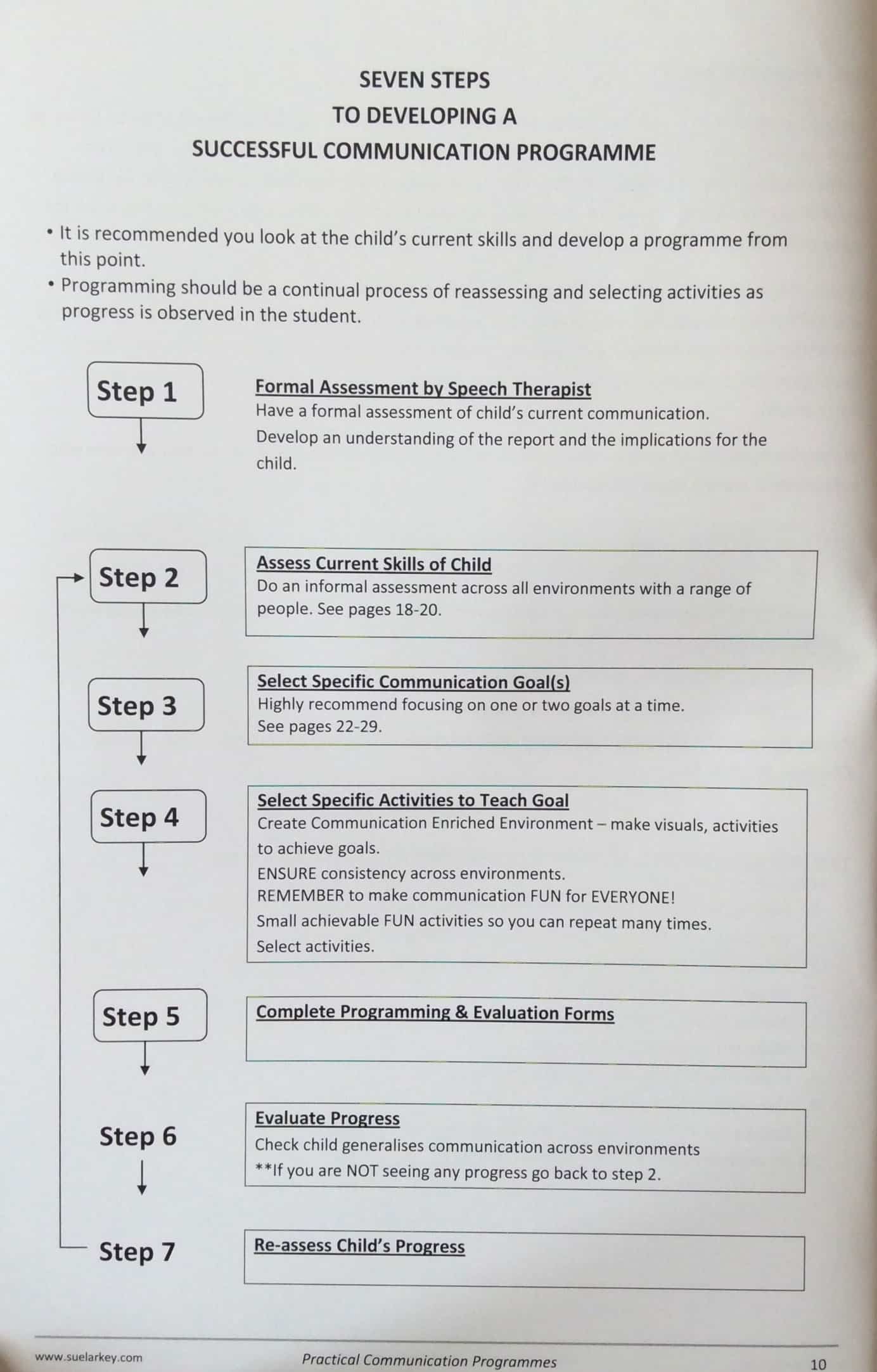

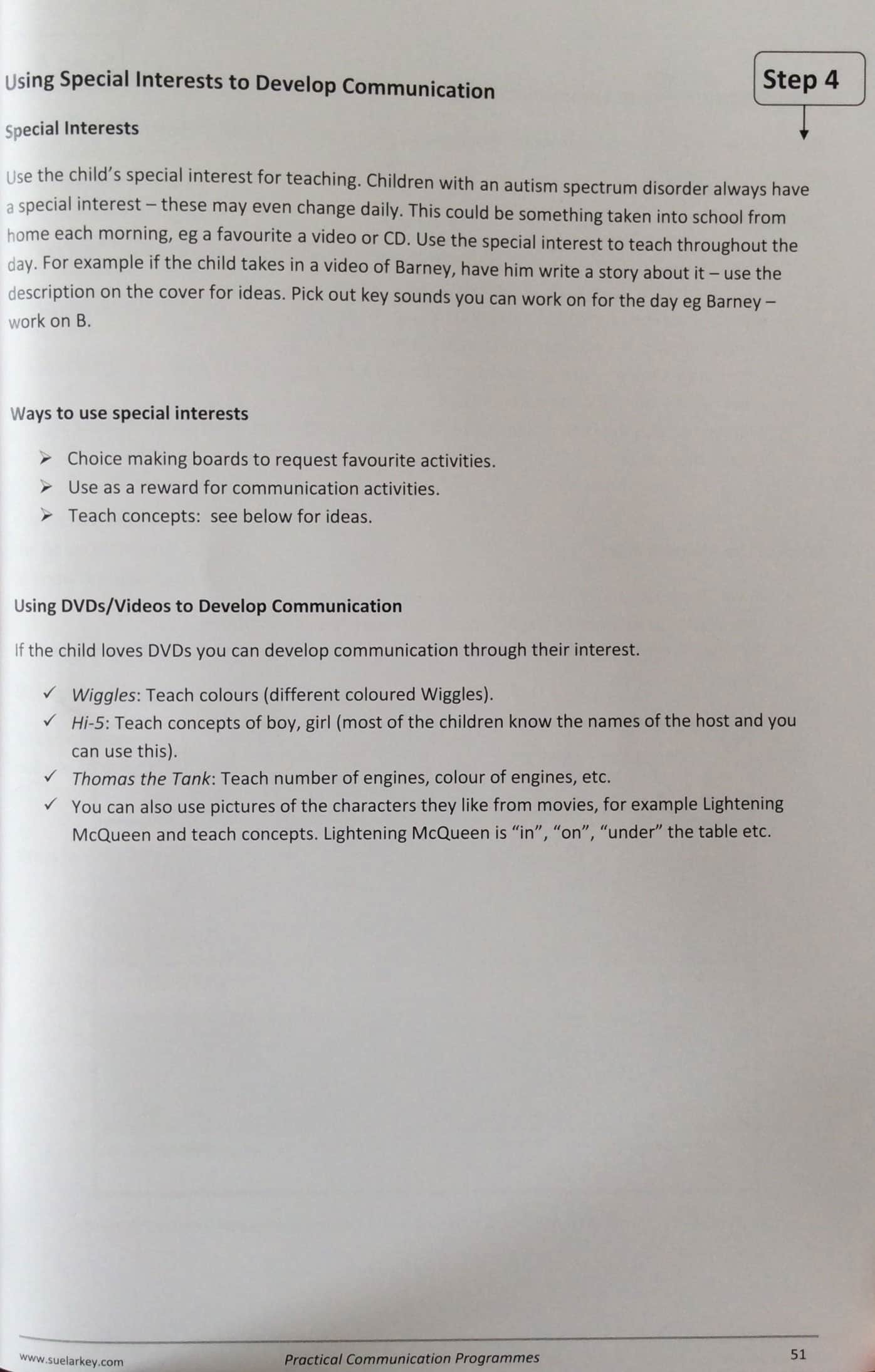
Practical Communication Programmes
| by Jo Adkins & Sue Larkey | Communication is the biggest area of skill deficits in nearly all children on the autism spectrum – whether it is little to no verbalisation, social skills or simply understanding spoken language. This book offers hundreds of ideas and strategies to improve communication skills – including picture exchange, teaching literacy skills, and emotions. It includes activities and resources you can photocopy.
$44.95

12 Ideas to Provide Opportunities to Communicate
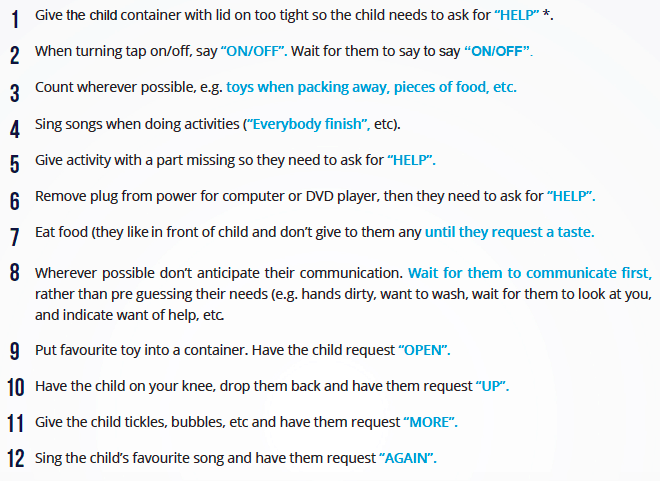
* Remember if the child is nonverbal they will need a visual to ask for help. You need to make sure their communication method is always avliable. Make sure you make spare visuals, so if they get lost always have a back up available.
10 Key Rules to a Successful Communication Programme
- Ensure consistency between environments.
- Be eclectic; try lots of different ideas and strategies.
- Remember not every strategy works for everyone.
- Never assume incompetence.
- Always model good communication practices.
- Make communication functional.
- Make communication fun and enjoyable.
- Use rewards and motivators.
- Ensure the child has communication enriched environments.
- Be persistent and REPEAT, REPEAT, REPEAT.
Every strategy, no matter how bizarre, is worth a try and if at first you don’t succeed then try and try again. No one child with ASD is the same so not all strategies will work with every child – so think carefully of how to adapt a strategy to suit the particular individual.
Top Communication Resources for Supporting Children


recommended courses
Understanding Autism Spectrum Disorder: Knowledge to Improve Student Learning, Participation and Outcomes

Developing Early Childhood Approaches for Children with Additional Needs
recommended podcasts

EPISODE 204:
ONE Activity for EIGHT Key Skills: Using Cooking to Teach Children with Neurodiversity!

EPISODE 210:
How Temple Grandin’s Lived Experience Can Offer Amazing Insights for Home and School

EPISODE 287:
Resources for Supporting Neurodiverse Students in the Classroom & Home: ASD, ADHD, ODD & PDA | Sue Larkey’s Top 10 Recommended
sue larkey books
-

The Ultimate Guide to School and Home
$44.95 -
Developing Social Skills
$39.95 -

Teacher Assistants Big Red Book of Ideas
$39.95 -

Teacher Assistants Big Blue Book of Ideas
$39.95 -
The Early Years: The Foundations For All Learning
$39.95 -

The Essential Guide to Secondary School
$44.95 -
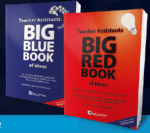
RED and BLUE BOOK BUNDLE
$75.00 -

Tips for Toileting
$29.95 -

Sue Larkey’s MEGA BOOK of Timesavers, Tips & Strategies for Busy and Complex Classrooms
$49.95 -

Practical Sensory Programmes
$71.95 -
Practical Communication Programmes
$44.95 -

Making it a Success
$47.95

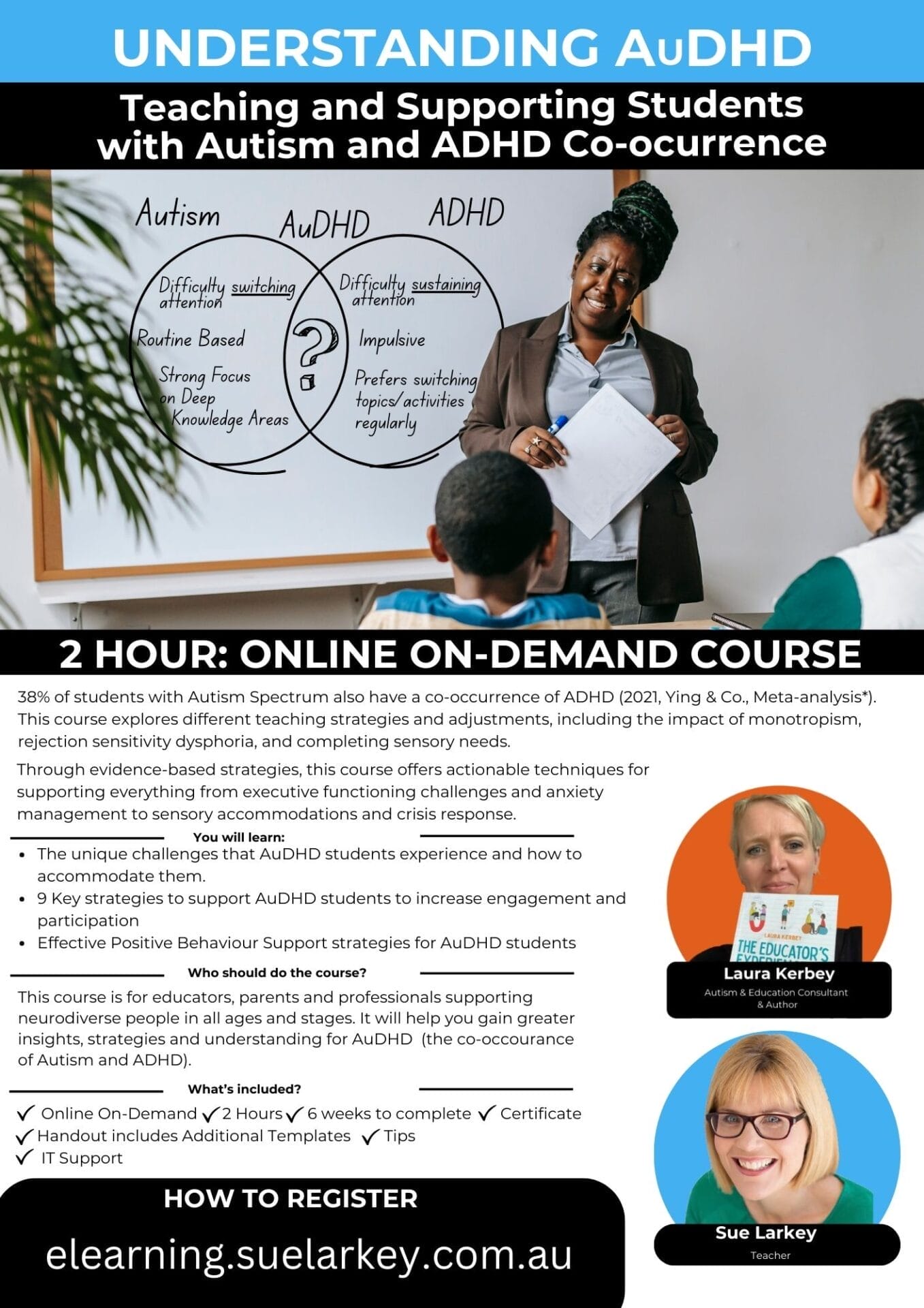
UNDERSTANDING AuDHD: Teaching & Supporting Students with Autism and ADHD Co-occurrence
✅ 2 Hours, 8 Lessons
✅ 6 Weeks to Complete
✅ Certificate of Completion
✅ Lesson Transcripts
 2 Hours
 Certificate
$149

Join me on Instagram!
I am always sharing stories and new content



 Sorry we no longer ship items outside Australia. Please consider the digital versions of Sue’s Books –